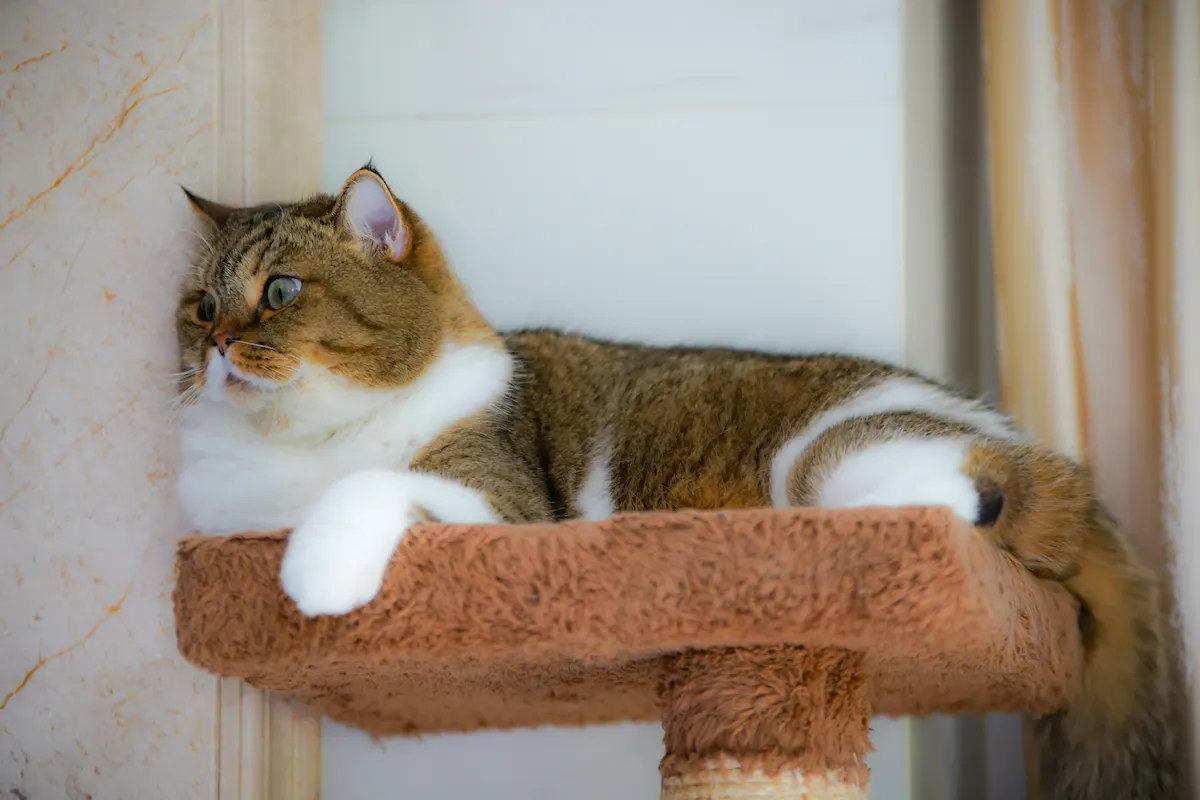
Senior cat weight gain can be easy to miss at first. In many homes, it happens gradually rather than all at once. A cat may look a little broader through the middle, feel heavier when picked up, or seem less keen to jump and move around as before. Sometimes there is a simple everyday reason behind that shift. But age alone is not always a full explanation, so it is worth paying attention when the pattern is clear or keeps building.
Disclaimer: This article is for educational purposes only and is not a substitute for veterinary advice. If your cat’s weight gain is noticeable, keeps increasing, or comes with changes in appetite, thirst, toileting, comfort, or behaviour, speak to your vet.
Key takeaway: Senior cat weight gain can happen for common reasons such as lower activity, routine changes, or eating a little more than the body now needs. The important question is not simply whether older cats can gain weight, but whether the pattern is new, obvious, building, or happening alongside other signs that make it worth mentioning to your vet.
Quick answer: why is my senior cat gaining weight?
Senior cat weight gain can happen gradually when an older cat moves less, rests more, eats slightly more than their body now needs, or has small routine changes that add up over time.
It is worth mentioning to your vet if the weight gain is new, noticeable, still building, or happening alongside changes in appetite, drinking, toileting, grooming, movement, or behaviour.
What senior cat weight gain can look like
Weight gain in an older cat does not always show up as one dramatic difference. Often, it looks more like:
- a rounder middle
- less waist definition
- a heavier feel when lifted
- more effort needed for jumping or climbing
- a cat who seems broader in photos than they did a few months ago
Sometimes owners are not even sure whether it is true weight gain at first. They just know their cat feels different. That uncertainty is common, especially in senior cats, because coat, posture, muscle tone, and movement can all shift with age.
Is senior cat weight gain normal?
Sometimes, yes. Some older cats do gain weight over time. A small gradual increase can happen for ordinary reasons, especially if a cat is moving less than before. The Cornell Feline Health Center notes that older cats may be less active, sleep more, and gain or lose weight.
But that does not mean it should be ignored. Ageing may make weight gain more likely, but it should not become a catch-all explanation. A more helpful way to think about it is this:
Senior cat weight gain can be common, but it is still worth noticing.
Common causes of weight gain in older cats
Lower activity with age
One of the simplest explanations is that an older cat is using less energy than they used to. Senior cats often spend more time resting, playing less, and moving around the house less than before. If the food routine stays much the same while movement drops, weight can creep up over time.
Stiffness or mobility changes
Some older cats become less active because moving is less comfortable. They may still want food and routine, but they are no longer jumping, climbing, or patrolling in quite the same way. That can mean they use less energy across the day without the reason being obvious at first.
This is one reason weight gain is worth looking at alongside movement. A cat who is broader than before and also seems slower on stairs, less willing to jump, or more hesitant after rest may be showing a wider pattern rather than one isolated sign.
For broader context on age-related health changes, see Senior Cat Health: A Practical Guide for Older Cats.
More calories than your cat now needs
Sometimes nothing dramatic has changed at all. The meals look the same. The treats seem modest. The feeding routine feels familiar. But older cats do not always need the same amount of food they did when they were more active. Over time, even a small gap between calories in and energy used can lead to gradual weight gain.
That does not mean owners have done anything wrong. In many homes, this happens quietly because the routine still feels normal.
Treats, extras, and multi-person feeding
This is another very common pattern. A few treats here and there, a small top-up from another family member, or a habit of giving extra food because the cat seems interested can add up more than people realise.
This tends to happen most easily in loving households where everyone is trying to be kind to the cat.
More indoor time and fewer movement opportunities
Some senior cats become more home-based and comfort-focused. They may spend longer in warm resting spots, roam less, and choose easier routes around the house. That can be a perfectly ordinary ageing pattern, but it can also make gradual weight gain more likely if the feeding routine does not change alongside it.
Small shifts adding up over time
In many cases, senior cat weight gain is not about one single cause. It is a collection of smaller shifts:
- a bit less movement
- a bit more rest
- a few extra treats
- slightly easier routines
- a body that is not using energy in quite the same way as before
That is why the pattern can feel hard to explain at first.
What else to notice alongside the weight gain
This is where the article becomes more useful than a simple “cats gain weight because they eat too much” explanation. Weight gain matters more when it comes with other signs.
Appetite changes
Has your cat become much more food-focused than usual? Are they asking for meals more often, finishing food differently, or seeming more preoccupied with food than before?
Changes in appetite are worth noticing in older cats.
Drinking changes
Are they drinking noticeably more, or does the water bowl seem to empty faster than before? Changes in drinking can matter, especially when they are part of a wider pattern.
Toileting changes
Changes in litter tray habits, urine amount, or stool pattern can help complete the picture. Weight gain on its own may feel vague, but weight gain plus a toileting shift is much easier to describe clearly.
Mobility and jumping changes
If your cat is putting on weight and also seems less willing to jump, slower on stairs, or more cautious about movement, that makes the pattern more worth mentioning.
If movement also seems stiffer or more hesitant, our guide to Arthritis in Senior Cats may also help.
Grooming changes
A cat who is gaining weight and also grooming less well may need a closer look. In some older cats, reaching certain areas becomes harder when body shape changes or movement feels less comfortable.
Behaviour changes
Sleeping more, becoming less interactive, seeming more easily bothered, or showing a lower interest in play can all help build the wider picture. If sleep has changed as well, you may also find Older cat sleeping more: what’s normal and when to pay attention helpful.
For broader context, you could also read Signs of Ageing in Cats: What Changes Are Normal as Cats Get Older.
When it’s worth mentioning to your vet
This is the key section for the reader.
It is sensible to mention senior cat weight gain when:
- the pattern is clearly new
- it is still building over time
- your cat’s body shape has changed noticeably
- activity or jumping has dropped
- appetite has changed
- drinking has changed
- litter tray habits have changed
- grooming has changed
- your cat just seems different overall
For a broader senior-cat monitoring view, International Cat Care also advises paying attention to important changes in older cats rather than putting everything down to age.
What not to assume
“It is just old age”
This is probably the biggest trap. Older cats do change, and some do gain weight. But “just old age” is not a complete explanation for every new pattern.
“It must just be overeating”
Food may be part of the picture, but it is not always the whole story. Lower activity, comfort changes, and other routine shifts can matter too.
“If my cat seems content, it cannot matter”
Cats often carry on with familiar routines even when something has changed. You do not need dramatic distress for a pattern to be worth mentioning.
Simple ways to keep track at home
You do not need to become obsessive about this. A calm, practical approach is enough.
Look at the pattern
Try to notice whether it feels stable, gradual, or clearly increasing.
Keep a few simple notes
Short notes on appetite, activity, grooming, and litter tray habits can make it much easier to explain things clearly if you do speak to your vet.
Use photos or occasional weigh-ins if practical
Photos can sometimes show a body-shape difference more clearly than memory can.
If you want a simple step-by-step method, our How to weigh your cat at home guide explains how to track changes calmly.
If you are already comfortable weighing your cat at home, occasional checks can help confirm whether the pattern is real and ongoing. The goal is not perfect data. It is simply to spot the trend early enough to talk about it clearly.
Final thought
Senior cat weight gain is not always dramatic, and it is not always a sign that something serious is wrong. Often, it reflects ordinary changes in activity, comfort, or routine. Because body changes in older cats can be easy to normalise, they are still worth noticing. If the gain is noticeable, building, or happening alongside other signs, mentioning it to your vet is a sensible next step.
For a broader look at feeding routines, weight changes and hydration in older cats, see our Senior Diet for Cats guide.
FAQs
Is weight gain normal in senior cats?
It can happen in older cats, especially if they are less active than before. Even so, a noticeable pattern should not simply be brushed off as old age.
Why is my older cat gaining weight?
Common everyday reasons include lower activity, routine changes, reduced movement, and extra calories adding up over time.
Can a senior cat gain weight without eating more?
Yes. Sometimes a cat’s food routine stays much the same while daily energy use drops because they are less active than before.
When should I speak to my vet about senior cat weight gain?
It is worth mentioning when the gain is new, noticeable, still building, or happening alongside changes in appetite, drinking, toileting, movement, grooming, or behaviour.
Is senior cat weight gain always caused by overeating?
No. Food can be part of the picture, but reduced activity, comfort changes, and other age-related routine shifts can matter too.