Senior cat care is less about dramatic changes and more about thoughtful adjustments over time. As cats age, their needs shift quietly — and understanding those changes can help you support comfort, health, and quality of life well into their later years.
This guide explains what senior cat care really involves, when cats are considered seniors, and how to adapt daily routines in a safe, vet-aware way that prioritises wellbeing and comfort.
Disclaimer: This article is for educational purposes only and is not a substitute for professional veterinary advice. If your cat is losing weight, in pain, vomiting frequently, or behaving unusually, speak to your vet.
Key takeaway: Senior cat care is about small, steady adjustments — making essentials easier to access, supporting comfort and mobility, and noticing changes early. If something feels new, persistent, or out of character, it’s worth mentioning to your vet.
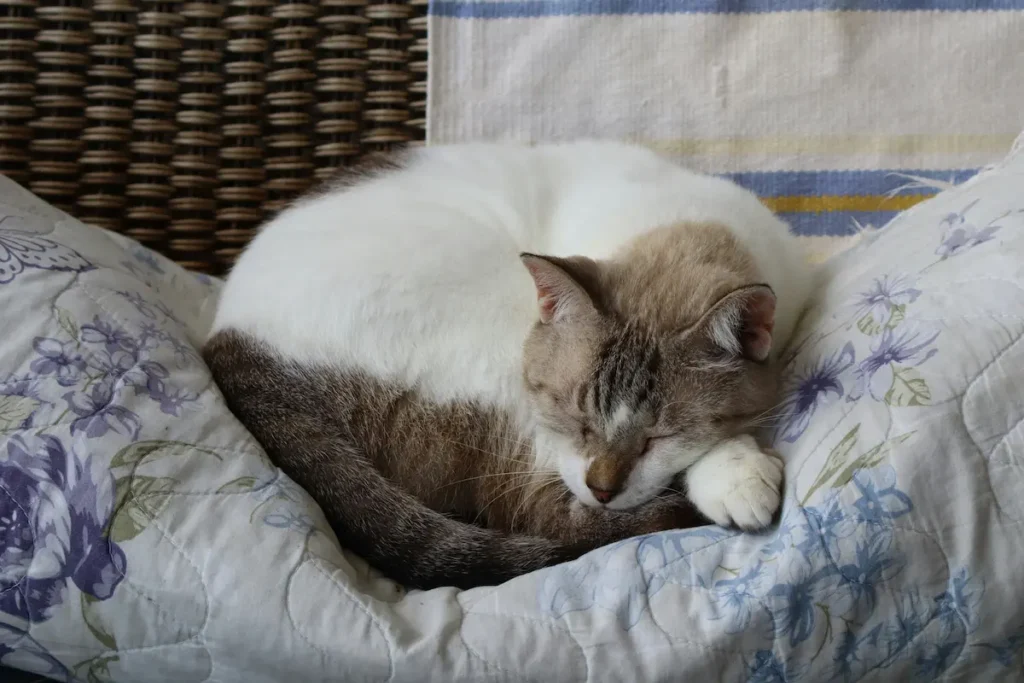
When is a cat considered a senior?
Most veterinary organisations consider cats to enter their senior years somewhere between 7 and 11 years old, depending on the framework used.
- Ages 7–10 are often described as mature
- Ages 11–14 are commonly labelled senior
- Ages 15+ are usually considered geriatric or super-senior
These labels are not diagnoses. Many cats in their early senior years remain playful, social, and independent. The purpose of defining “senior” is to encourage earlier awareness and preventive care, not to suggest decline.
If you want a deeper explanation of how vets define this stage, see our guide:
What Age Is a Cat Considered Senior?
How senior cats change with age
Cats age gradually, and the earliest changes are often subtle. You may notice small shifts in behaviour long before anything seems obviously wrong.
Common age-related changes include:
- Sleeping more or moving more slowly
- Hesitation before jumping onto furniture
- Mild stiffness after rest
- Changes in appetite or weight
- Less interest in high-energy play
These changes don’t automatically mean something is wrong. They can be a sign your cat would benefit from small adjustments at home — and it’s worth keeping an eye on patterns over time.
International Cat Care notes that small home and routine adjustments can make a meaningful difference for older cats.
Why senior cat care matters
Senior cat care is about anticipation, not reaction.
Cats are skilled at hiding discomfort, and age-related conditions often develop quietly. By adjusting care early, you can:
- Spot changes before they become serious
- Reduce physical strain on joints and muscles
- Support comfort and confidence at home
- Make vet visits more productive and less stressful
Early senior care often leads to simpler management later, rather than emergency decision-making.
Key areas of senior cat care
Mobility and comfort
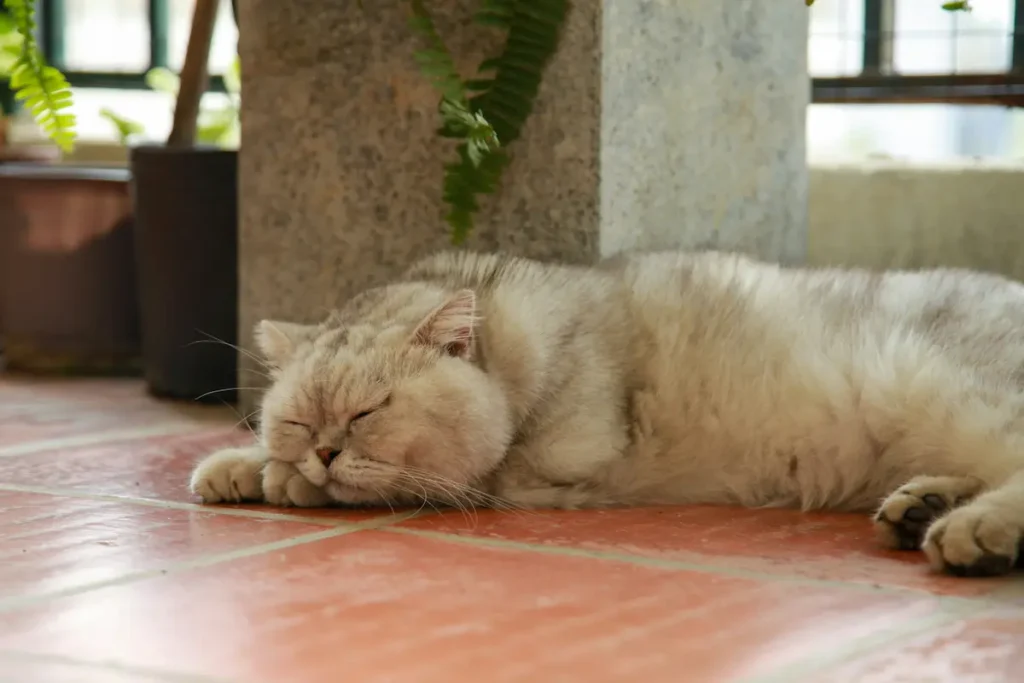
As cats age, joints and muscles naturally become less flexible. You may notice your cat taking an extra step to reach a surface or avoiding high jumps.
Helpful adjustments include:
- Providing steps or ramps to favourite resting spots
- Offering soft, supportive bedding away from drafts
- Using low-entry litter trays to reduce strain
- Placing food and water in easily accessible locations
Small environmental changes can significantly reduce daily effort for older cats.
Litter box accessibility
Litter box issues in senior cats are often physical, not behavioural.
Consider:
- Lower sides or senior-friendly boxes
- Multiple boxes in larger homes
- Non-slip mats to prevent sliding
- Quiet, easily accessible locations
If accidents occur, it’s important to rule out medical causes before assuming age-related habits.
Grooming and coat care
Senior cats may groom less effectively due to stiffness or dental discomfort.
Signs your cat may need support include:
- A dull or greasy coat
- Mats forming along the back or hindquarters
- Dander buildup
Gentle brushing helps maintain coat health and provides an opportunity to notice changes in skin, weight, or sensitivity.
Nutrition and hydration awareness
Older cats can be more sensitive to dehydration and weight changes.
General senior-friendly habits include:
- Ensuring constant access to fresh water
- Monitoring food intake and body condition
- Avoiding sudden diet changes without vet guidance
- Watching for changes in appetite or chewing behaviour
If your cat has existing health conditions, nutrition should always be discussed with your veterinarian.
Indoor vs outdoor considerations
Lifestyle plays a role in how cats age.
Indoor cats often face fewer risks such as traffic, injuries, and infectious diseases. However, indoor living still requires attention to:
- Weight management
- Mental stimulation
- Safe movement opportunities
You can explore this topic further in our guide:
How Long Can an Indoor Cat Live?
Senior cat care: practical checklist
- Maintain a healthy body weight (avoid gradual gain or loss)
- Keep food, water, and litter trays easy to access
- Watch for changes in appetite, thirst, or litter habits
- Make jumping and climbing easier where possible
- Brush gently to support coat and skin health
- Keep daily routines predictable and calm
- Mention even “small” changes at regular vet visits
- Focus on comfort and quality of life, not just age numbers
The Cornell Feline Health Center notes that cats often hide signs of discomfort, which is why early awareness and regular monitoring are so important as cats age.
When to increase veterinary checkups
Many vets recommend more frequent wellness visits once a cat enters the senior years — not because the cat is “sick,” but because subtle changes are easier to detect early.
Bring up changes such as:
- Increased thirst or urination
- Weight loss or gain
- Mobility changes
- Litter box habits
- Changes in behaviour or vocalization
Early conversations often lead to better outcomes and fewer surprises.
Supporting quality of life in older cats
Quality of life is about comfort, predictability, and dignity.
Helpful practices include:
- Keeping routines consistent
- Reducing loud or sudden environmental changes
- Providing warm, quiet resting areas
- Maintaining gentle daily interaction
Senior cats often thrive on familiarity and reassurance.
FAQs
Is 10 years old considered old for a cat?
A 10-year-old cat is usually considered mature or early senior. Many cats at this age remain active and healthy.
Do senior cats need special care?
Senior cats benefit from small adjustments in environment, monitoring, and routine rather than drastic changes.
Should I worry if my senior cat sleeps more?
Sleeping more can be normal with age, but sudden or extreme changes should be discussed with your vet.
Is it normal for older cats to jump less?
Yes, reduced jumping is common, but it’s still worth mentioning at checkups to rule out discomfort.
For more detailed guidance on ageing and longevity, visit our Senior Cat Lifespan section.
Final thoughts
Senior cat care is about supporting change gently and thoughtfully. With awareness, small adjustments, and regular veterinary guidance, many cats enjoy comfortable, content senior years.
If you’d like to explore health-specific concerns next, visit our
Senior Cat Health section for deeper guidance.