As cats grow older, many experience gradual physical changes that affect movement, comfort, and daily routines. One of the most common age-related conditions in older cats is arthritis. Understanding arthritis in senior cats is less about looking for dramatic symptoms and more about noticing subtle shifts in behaviour, mobility, and routine over time.
This guide explains how arthritis can affect older cats, what signs owners may notice at home, and when it may be helpful to speak to your veterinarian. The goal is to provide reassurance and clarity — not diagnosis or treatment advice.
Disclaimer: This article is for educational purposes only and is not a substitute for professional veterinary advice. If your cat is in pain, losing weight, vomiting frequently, or behaving differently, speak to your veterinarian.
Key takeaway: Arthritis in senior cats is often subtle. Many older cats do not limp clearly, but owners may notice jumping less, moving more carefully, grooming less, resting in easier places, or becoming less active. These changes do not confirm arthritis on their own, but they are worth tracking and discussing with your vet if they are new, persistent, or worsening.
Quick answer: arthritis in senior cats
Arthritis in senior cats can affect joints, movement and daily comfort. Owners may notice subtle changes such as jumping less, hesitating before stairs, sleeping in lower places, grooming less, moving more carefully, or becoming less playful.
These signs do not confirm arthritis at home. If mobility or behaviour changes are new, persistent, worsening, or affecting your cat’s comfort, speak to your vet.
What Is Arthritis in Senior Cats?
Arthritis affects the joints and can influence how comfortably a cat moves. In older cats, it usually develops as joints change gradually over time, which can lead to stiffness, reduced flexibility, and discomfort during movement.
Unlike sudden injuries, arthritis typically develops slowly. Many cats adapt to these changes quietly, which is why arthritis can be difficult to recognise early. Some cats show only small behavioural changes rather than obvious physical symptoms.
Arthritis is often linked with normal ageing processes, but not every senior cat will develop noticeable joint discomfort. Each cat ages differently depending on genetics, lifestyle, body condition, and overall health history.
If you want broader context on how ageing changes appear in cats overall, see our guide on Signs of Ageing in Cats.
How Common Is Arthritis in Older Cats?
Arthritis is considered common in senior and older cats, although it is often under-recognised. Cats are naturally skilled at hiding discomfort and may adjust their behaviour gradually rather than showing obvious signs of pain.
Because changes happen slowly, many owners assume reduced activity or jumping ability is simply part of ageing. In some cases, these changes may be related to joint stiffness or reduced flexibility. Many signs of arthritis are first noticed as small changes in everyday habits rather than obvious symptoms.
Early awareness supports comfort and helps owners notice patterns worth mentioning during routine veterinary visits.
Signs of Arthritis in Senior Cats
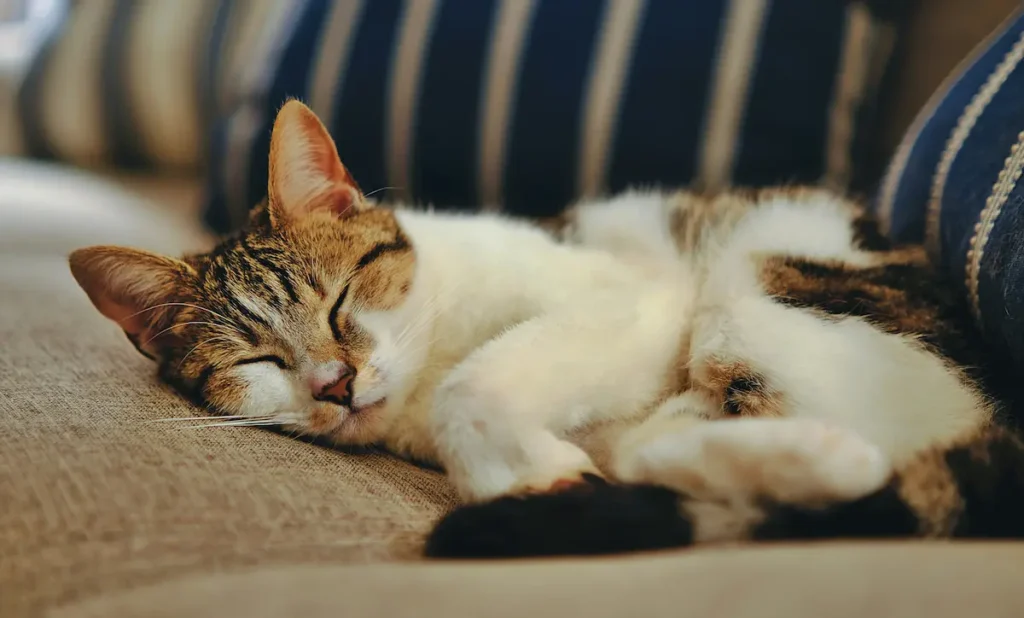
Signs of arthritis in senior cats are often subtle and develop gradually. Many of the changes owners notice first relate to movement and daily habits rather than obvious pain.
For an owner-friendly overview, see International Cat Care’s guide to arthritis in cats.
Movement Changes
You may notice your cat:
- Hesitating before jumping onto furniture
- Using steps or lower surfaces instead of jumping
- Moving more slowly or carefully
- Avoiding stairs or high resting places
If the main change you have noticed is that your older cat has suddenly stopped jumping, our guide to senior cat suddenly not jumping explains what to check and when to speak to your vet.
These changes often develop slowly, which can make them easy to miss at first.
Posture and Comfort Changes
Some cats adjust how they sit, lie down, or rest. You might notice:
- Stiffness after sleeping
- Taking longer to stand up
- Preferring softer or warmer resting areas
These adjustments may reflect reduced joint flexibility or comfort during movement.
If you are noticing several subtle changes at once, our Senior Cat Pain Signs guide may help you compare movement, grooming, mood and daily routine changes.
Behaviour Changes
Behaviour shifts can sometimes appear before clear physical signs. These may include:
- Less interest in high-energy play
- Shorter bursts of activity
- More time resting or sleeping
- Reduced climbing or exploring
These changes are often gradual rather than sudden.
Grooming changes in arthritic cats
Some arthritic cats may find it harder to twist, stretch, or reach areas such as the lower back, hips, and tail base. Owners may notice a duller coat, mild mats, dandruff, or greasy patches in areas the cat no longer grooms as well.
These coat changes do not prove arthritis on their own, but they are useful to mention if they appear alongside reduced jumping, stiffness, slower stairs, or sensitivity when touched.
Gentle observation of grooming patterns can sometimes help highlight mobility changes.
What to track before speaking to your vet
You do not need a detailed medical record. A few clear notes can help your vet understand how your cat’s movement and routines have changed.
Try to note:
- when you first noticed the change
- which movements seem harder now
- whether it happens every day or only sometimes
- whether it appears to be getting worse
- whether jumping, stairs, grooming or litter tray use have changed
- whether appetite, weight, mood or general behaviour have changed too
Short videos can also be useful because some cats move differently at the veterinary clinic. You might record your cat:
- walking after getting up from rest
- using stairs
- stepping into the litter tray
- attempting or avoiding a familiar jump
Only record your cat if it is easy to do without forcing movement or delaying veterinary advice.
When to speak to your vet
Many movement or behaviour changes in older cats develop gradually and can be part of normal ageing. However, some changes are worth discussing with your vet, especially if they appear suddenly or continue to worsen.
It may be helpful to mention if you notice:
- Sudden mobility decline
- Reluctance to move or jump
- Noticeable pain behaviours
- Rapid drop in activity levels
Mentioning changes early does not automatically mean something is wrong. It simply helps build a clearer picture of your cat’s overall wellbeing.
For broader health context, see our Senior Cat Health Guide.
For additional background on why subtle behaviour and mobility changes can matter, see Cornell Feline Health Center’s guidance on cats slowing down.
Supporting everyday comfort
Small environmental changes may make daily movement easier for an older cat with mobility changes, particularly if jumping, stairs or access to favourite areas have become harder.
For practical home-adjustment ideas, see our Senior Cat Mobility & Pain guide.
FAQs
Is arthritis common in senior cats?
Yes. Arthritis is considered common in older cats, although it is often under-recognised because cats naturally hide discomfort and adapt their behaviour gradually.
How can I tell if my older cat has arthritis?
Owners often notice mobility or behaviour changes first, such as hesitation before jumping or spending more time resting. Only a veterinarian can diagnose arthritis, but observing patterns over time can help guide conversations.
Do cats limp when they have arthritis?
Some do, but many cats do not limp noticeably. Cats often show more subtle movement or behaviour changes instead.
Do older cats stop jumping because of arthritis?
Some may jump less due to joint stiffness or reduced flexibility. However, reduced jumping can also be part of normal ageing, so gradual patterns matter more than single changes.
Can arthritis make cats less active?
Yes. Arthritis can reduce comfort during movement, which can lead to lower activity levels or shorter bursts of play.
If you want broader context on how long cats can live overall, see Senior Cat Lifespan: How Long Older Cats Live.
References
- International Cat Care — Arthritis in Cats
- Cornell Feline Health Center — Your Cat Slowing Down