As our cats grow older, it’s natural to wonder how long they may live — and what “normal ageing” really looks like. Some senior cats still jump onto the sofa, demand treats, and nap in sunbeams like they always have. Others start to slow down, need a little help, or visit the vet more often.
Understanding senior cat lifespan isn’t about predicting the end.
It’s about knowing what to expect so you can support comfort, health, and quality of life.
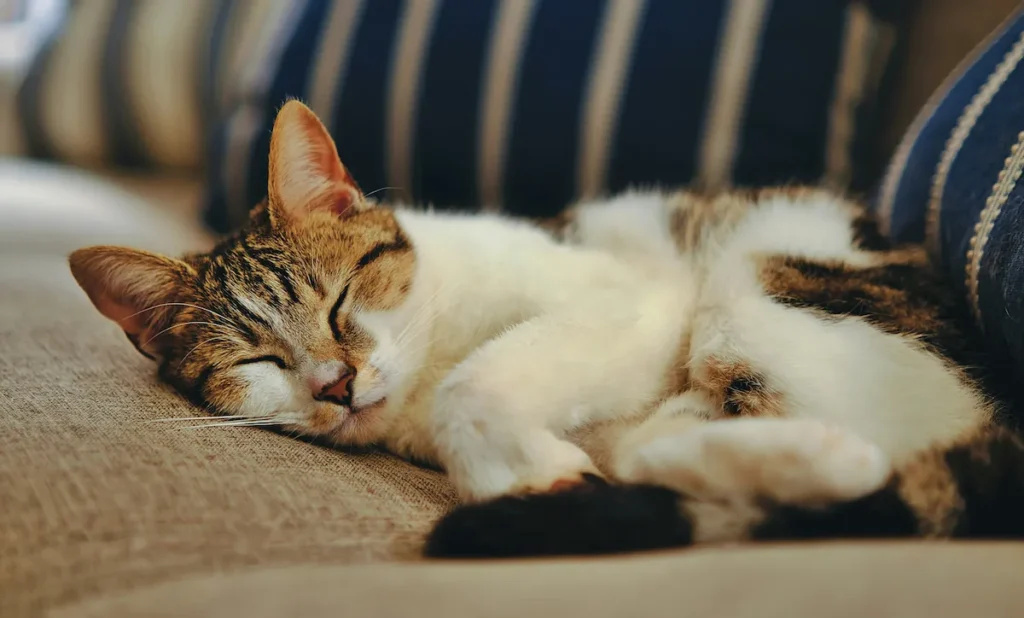
Disclaimer: This article is for educational purposes only and is not a substitute for professional veterinary advice. If your cat is losing weight, vomiting frequently, seems painful, or acting differently than usual, speak to your vet.
Key takeaway: Senior cat lifespan isn’t about predicting an exact number. It’s about noticing small changes early and supporting comfort, routine, and quality of life — and speaking to your vet if anything feels new, persistent, or out of character.
Quick answer: How long do senior cats live?
Most healthy senior cats live into their teens.
Some cats reach 18–20+, especially when they:
- stay mostly indoors
- maintain a healthy body weight
- receive regular veterinary care
- have safe, low-stress environments
There is no single fixed age that predicts how long an individual cat will live. Just like people, cats age differently based on genetics, lifestyle, and health history.
Start here: senior cat lifespan guides
If you want a broader overview, start with our guide to how long cats live. If you want to understand life stages, read what age a cat is considered senior. For a simple age comparison, our cat age chart can help. You may also find our guides to how long indoor cats can live, cat life expectancy factors, and what percentage of cats live to 20 useful.
What is considered a “senior” cat?
Not all cats become “senior” at the same age. Veterinary organisations use life stages instead of one hard cutoff.
| Life stage | Typical age | What to expect |
|---|---|---|
| Adult | 3–6 years | Stable routines, high resilience |
| Mature | 7–10 years | Subtle slowing; weight changes more noticeable |
| Senior | 11–14 years | More age-related changes may appear |
| Super-senior / geriatric | 15+ years | Comfort, monitoring, and support become priorities |
Being “senior” does not mean unhealthy.
It simply means your cat may benefit from closer observation and age-appropriate care.
Average cat lifespan (and why numbers can be confusing)
When you search online, you may see answers like:
“Cats live 12–15 years on average.”
That number comes from population research — it does not predict how long your particular cat will live.
A large UK study using primary-care veterinary records (VetCompass) estimated life expectancy at age 0 (birth) at about 11.7 years for UK companion cats overall.
That average is pulled downward because it includes:
- outdoor accidents
- early illnesses
- genetic health issues
- preventable risks
Many indoor senior cats live much longer.
A more realistic way to think about lifespan is as a range, influenced by choices you make every day — safe housing, diet, enrichment, and veterinary care.
Indoor vs outdoor senior cat lifespan
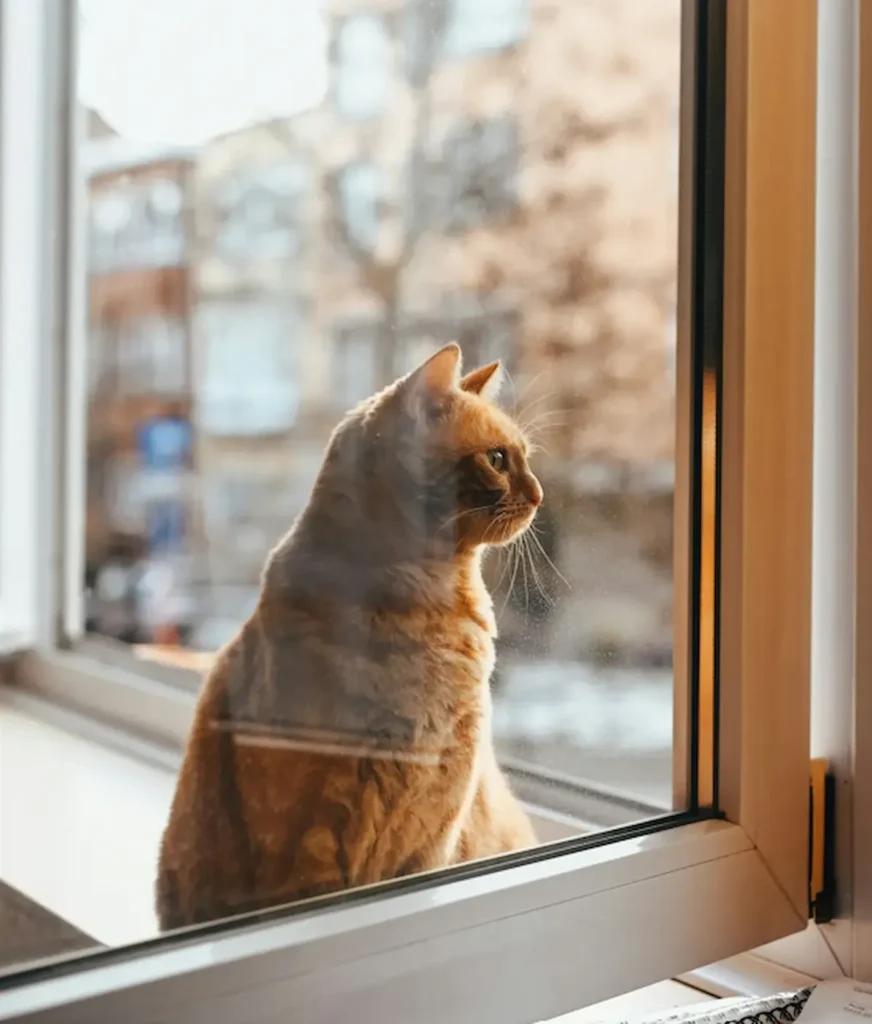
In general, indoor cats tend to live longer than outdoor cats.
Indoor cats are usually protected from:
- traffic accidents
- animal fights
- toxin exposure
- contagious disease risk
- extreme weather
That doesn’t mean indoor cats are automatically healthier. Indoor cats still need:
- exercise and play
- mental stimulation
- scratching options
- climbing options
- weight control
Can cats live to 20 years old (or more)?
Yes — some do.
A growing number of cats now live into their late teens and beyond, thanks to:
- proactive veterinary care
- safer indoor lifestyles
- improved nutrition
- attentive owners
A small percentage reach 20+, but this is still considered exceptional.
Long life isn’t about hitting a number. It’s about helping your cat stay:
- comfortable
- well-supported
- hydrated
- mobile
- emotionally secure
Quality of life always matters more than age alone.
What most affects senior cat lifespan
Ageing isn’t random. These are some of the biggest influences — many of which you can help with at home (in partnership with your vet).
Healthy body weight and muscle condition
Extra weight puts stress on joints, heart, and organs. At the same time, unplanned weight loss can signal illness.
Helpful habits:
- weigh your cat regularly
- notice changes slowly over time
- avoid frequent, sudden food switches without vet guidance
Preventive veterinary care
Senior cats benefit from regular check-ups. Early detection often means easier management and better comfort.
For a broader overview of health changes, monitoring and vet checks, visit our Senior Cat Health guide.
Your vet may recommend:
- physical exams
- blood and urine screening
- dental evaluations
- tailored vaccination or parasite prevention plans
These decisions are individual and should always be discussed case-by-case.
Dental health
Dental disease is common in older cats and can affect appetite, pain levels, and behaviour. Signs may be subtle:
- drooling
- bad breath
- chewing differently
- reluctance to eat harder foods
Dental care should always involve your vet — avoid DIY “fixes.”
Genetics and breed differences
Some breeds have specific health tendencies and lifespan patterns. Mixed-breed cats often have wide variability as well.
You cannot change genetics — but you can optimise everything else around your cat’s environment and healthcare.
Environment, stress, and mobility
A calm and predictable home can mean less stress on ageing bodies.
Simple supportive ideas include:
- easy access to litter trays
- quiet resting spaces
- soft, warm places to sleep
- minimising big jumps or slippery floors
These are comfort-focused—not medical treatments—but they make a real difference in quality of life.
Signs your cat may be entering the senior years
Cats often hide discomfort. Small changes can be meaningful.
What you may notice
- sleeping more
- hesitating before jumping
- stiffness after naps
- drinking or urinating more
- subtle weight loss or gain
- confusion at night
- changes in grooming habits
Why it matters
- age-related joint changes
- thyroid, kidney, or metabolic issues
- dental discomfort
- vision or cognitive changes
When to speak to your vet
Speak to your vet if you notice:
- rapid weight changes
- vomiting that persists
- major appetite changes
- weakness, collapse, or pain
- ongoing behaviour changes
Catching things early is one of the most powerful tools we have for extending comfort.
How to support an ageing cat at home
Small adjustments can make senior years easier.
For more practical guidance on everyday routines, mobility, grooming and litter tray access, see our Senior Cat Care Guide.
Focus on:
- fresh water in multiple spots
- predictable feeding routines
- quiet, draft-free sleeping areas
- litter trays that are easy to enter
- gentle play and bonding time
- reducing stress and loud changes
If your vet suggests diet changes or diagnostics, ask questions and work together. Ageing is a partnership stage — not a crisis by default.
Key takeaways
- Many senior cats live well into their teens.
- Some cats reach 20+, especially with safe, low-risk lifestyles.
- “Average lifespan” is a population statistic, not a personal prediction.
- Indoor safety, weight control, and early veterinary care make a difference.
- Comfort, routine, and observation are key in the senior years.
Ageing is not a failure — it’s a stage you and your cat can move through together.
FAQs
Do senior cats live shorter lives than younger cats?
Age increases risk for certain health conditions, but many senior cats continue to live comfortably for years with monitoring and supportive care.
Is 15 old for a cat?
Yes — 15 is typically considered super-senior or geriatric. Many cats still enjoy good quality of life at this age.
Do indoor cats live longer than outdoor cats?
Often, yes. Indoor living usually lowers risk exposure, which can support longer lifespans — as long as enrichment, play, and weight control are provided.
Can stress shorten a cat’s life?
Chronic stress can influence behaviour, appetite, and immune health. Calm, predictable environments support ageing cats.
Is weight loss normal in older cats?
No. Unplanned weight loss should always be discussed with your vet, as it can signal treatable conditions.
References
1. Royal Veterinary College (RVC) (VetCompass) — UK cat life expectancy (life tables/risk factors)
2. AAFP Feline Senior Care Guidelines (2021) — cat-only senior care guidance
3. International Cat Care (ISFM) — senior cat care advice