Senior Cat Breathing Changes During Sleep: What to Watch and When to Mention It

Senior cat breathing changes during sleep while resting calmly

Noticing senior cat breathing changes during sleep can be unsettling. Older cats often sleep for longer periods, so it is natural to notice small changes in their breathing, sounds, or sleeping position more than you used to. Some changes may be mild and short-lived, especially during dreaming or when your cat is curled up in … Read more

Senior Cat Thyroid Blood Tests: Common Terms Owners May Hear Explained Simply

Senior cat thyroid blood tests explained simply

If your vet has mentioned senior cat thyroid blood tests, it is normal to feel a little unsure about the language. Terms such as T4, free T4, reference range, borderline result and repeat testing can sound technical, especially if you are trying to take everything in during a vet appointment. This guide explains common thyroid … Read more

Senior Cat Oily Coat: What It Can Mean and When to Speak to Your Vet

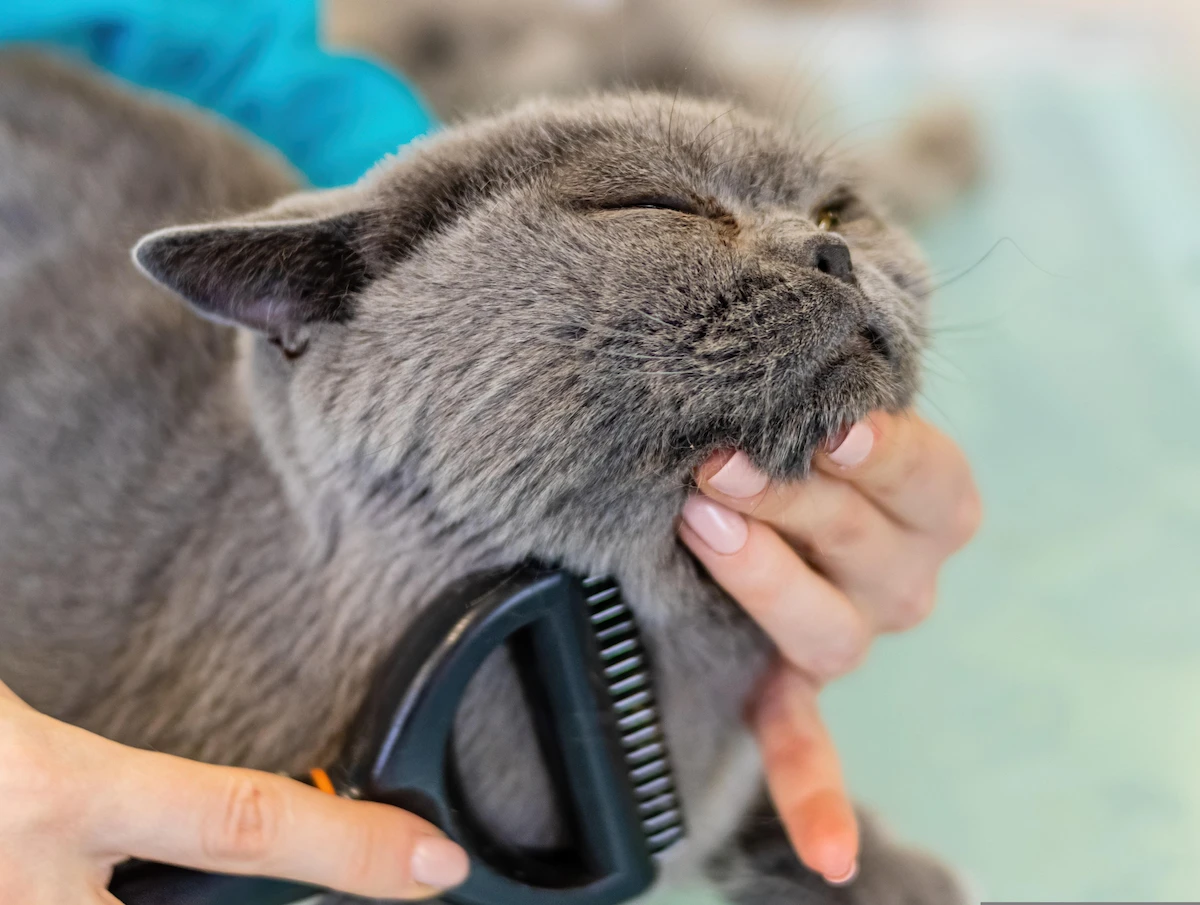
Senior cat oily coat being gently groomed

A senior cat oily coat can be worrying, especially if your cat used to look smooth, clean and well-groomed. You may notice greasy fur, clumps, dull patches, dandruff, mats, or a coat that seems harder for your older cat to keep tidy. In senior cats, coat changes often have more than one possible explanation. Sometimes … Read more

Senior Cat Toileting Hygiene: Keeping Fur and Skin Clean Gently

Senior cat toileting hygiene with clean fur and gentle grooming support

Senior cat toileting hygiene may become more important when urine, faeces, damp litter or staining starts collecting around an older cat’s back end, legs or tail. A small mess can often be managed with brief, gentle spot-cleaning. Repeated soiling, sore skin or a sudden change in toileting habits is worth discussing with your vet because … Read more

Senior Cat Toileting Changes: What’s Common With Age and When to Speak to Your Vet

Senior cat toileting changes and litter tray access at home

Senior cat toileting changes can be worrying when they appear for the first time. Your cat may start using the litter tray more often, missing the tray, toileting indoors, or seeming less settled around their usual routine. Some changes are common with age, especially if your cat is stiffer, slower, less confident outdoors, or finding … Read more

Senior Cat Blood Test Results: Common Terms Explained in Plain English

Senior cat blood test results owner-friendly guide

Senior cat blood test results can look confusing when a report contains abbreviations, numbers, arrows and terms such as “high”, “low”, “borderline” or “monitor”. This guide explains the common language owners may see on a report. It cannot show what an individual result means for your cat because your vet will consider the full pattern … Read more

Senior cat check-ups: what “senior wellness” visits often include

Senior cat check-ups can help owners discuss older cat health changes with their vet

Senior cat check-ups give your vet a chance to review your older cat’s weight, teeth, mobility, general condition and any changes you have noticed at home. Depending on your cat, the visit may also include a discussion about blood pressure, urine testing or blood tests. Routine wellness visits can be especially useful in older cats … Read more

Senior Cat Vaccination Side Effects: What’s Mild vs When to Mention It

Senior cat vaccination side effects after a vet visit

Senior cat vaccination side effects can feel worrying when your older cat seems sleepy, sore, quiet, or slightly off their food after a vet visit. Some mild changes can happen after vaccines, but senior cats deserve careful observation because small changes may stand out more at this age. This guide explains what can be mild, … Read more