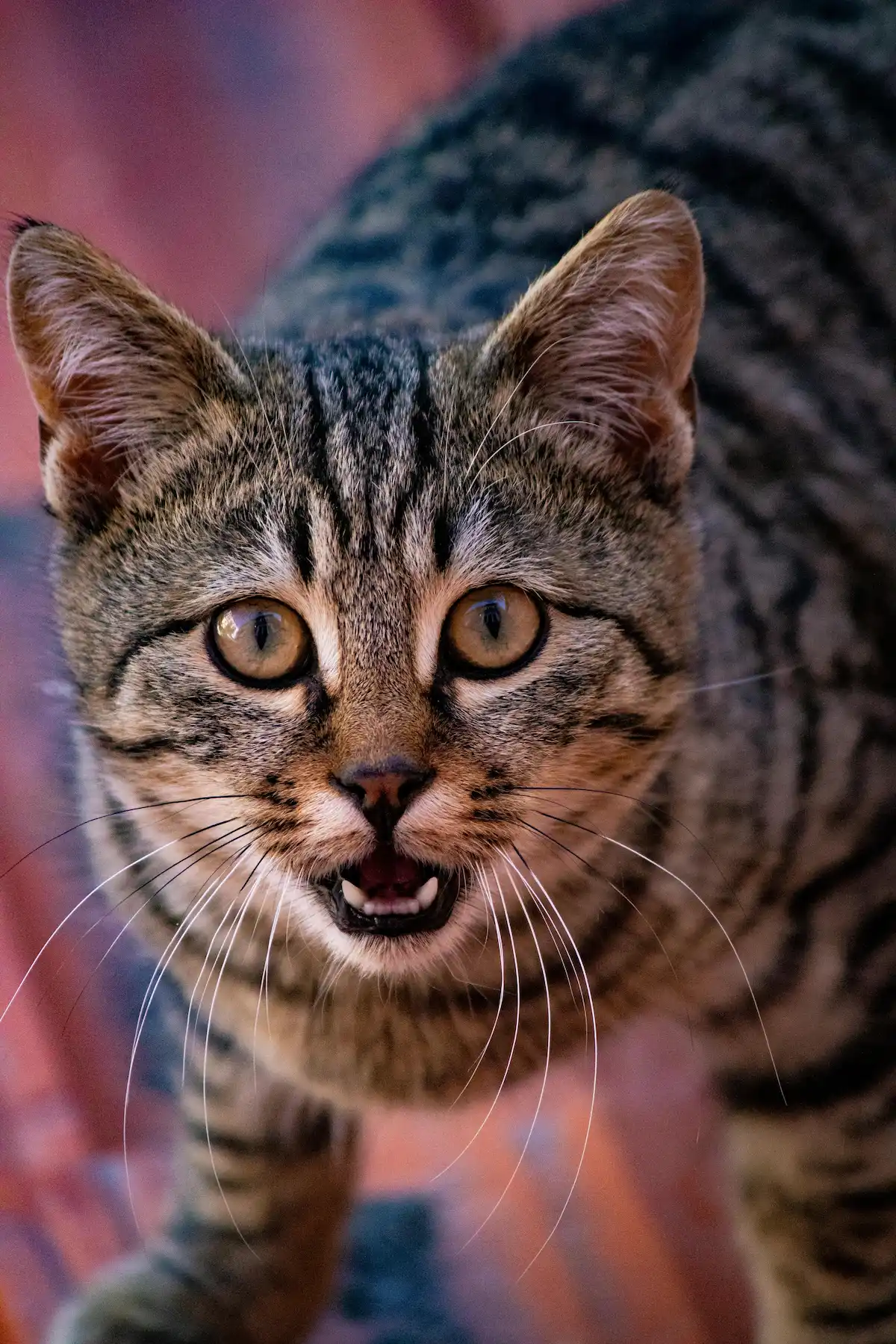
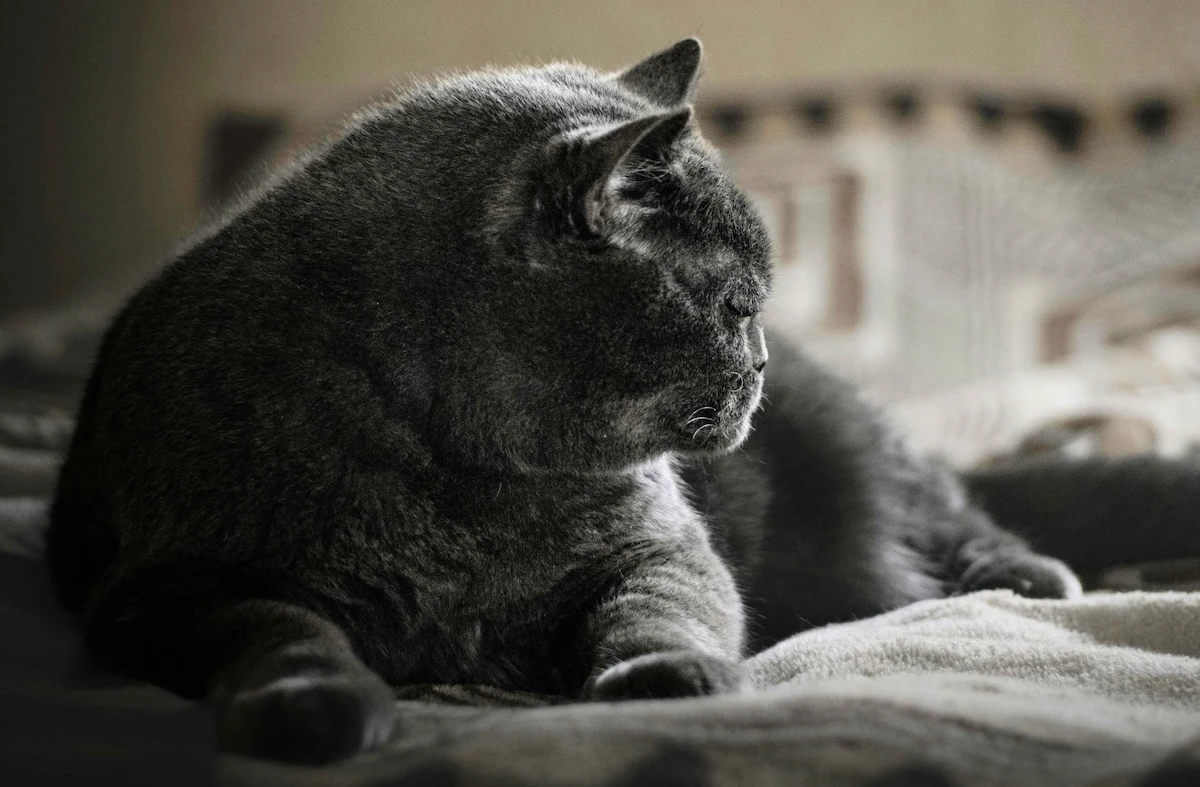
Senior Cat Vaccines: What Changes With Age and What to Ask Your Vet

Senior cat vaccines are not automatically continued or stopped because of age alone. Your vet may consider your cat’s current health, lifestyle, vaccine history, contact with other cats and local disease risks. This means the recommendation may differ between two cats of the same age. The most useful approach is to discuss your cat’s individual … Read more
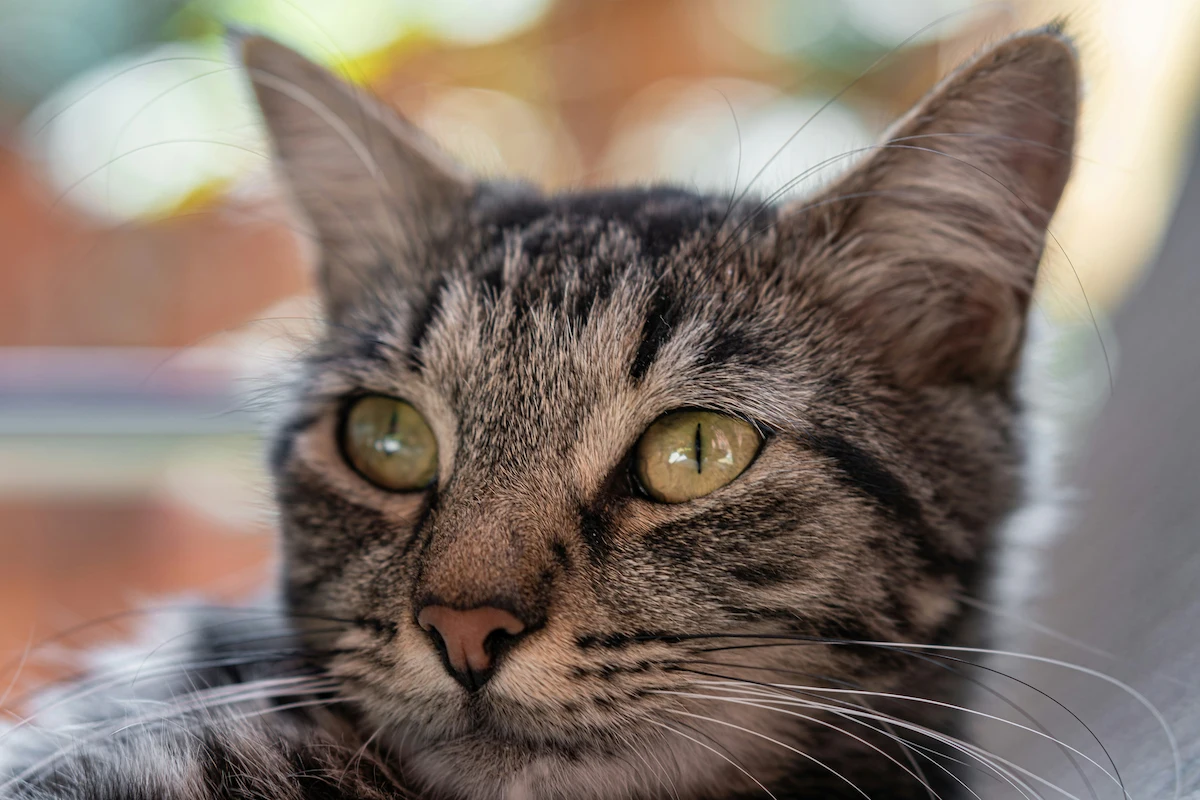
Senior Cat Tooth Resorption: Signs Owners Notice and What to Ask Your Vet

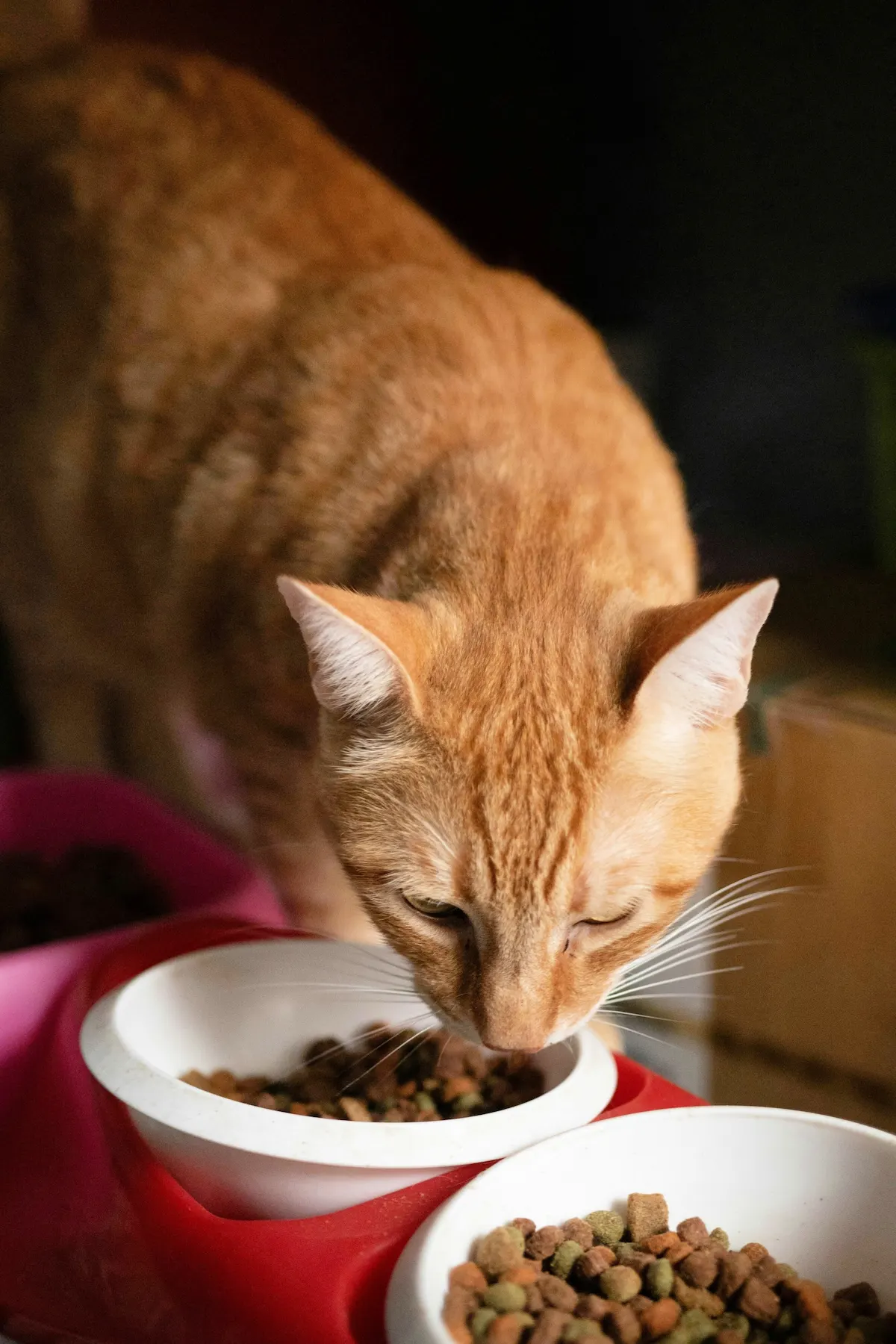
Senior cat tooth resorption signs in an older cat eating from a bowl

Senior cat tooth resorption can be difficult to spot because some cats continue eating even when their mouth is uncomfortable. Owners may instead notice slower eating, chewing differently, dropping food, drooling, bad breath or behaviour changes. These signs do not confirm tooth resorption, but they are useful changes to mention to your vet. Disclaimer: This … Read more

Senior Cat Teeth Cleaning: What Vets Do and What Owners Can Safely Do

Senior cat teeth cleaning and safe dental care at home

Senior cat teeth cleaning can feel confusing because there are two very different sides to it: what a vet can safely assess and do professionally, and what owners can gently support at home. As cats get older, dental changes may become more noticeable. You might spot bad breath, yellow or brown build-up on the teeth, … Read more

Senior Cat Suddenly Not Jumping: What It Can Indicate and When to Speak to Your Vet

Senior cat suddenly not jumping onto a sofa

If your older cat used to jump onto the bed, sofa, windowsill, or favourite chair, it can feel worrying when that suddenly changes. A senior cat suddenly not jumping is not automatically a crisis, but it is a meaningful change worth noticing. Sometimes the reason is simple, such as a slippery floor or a less … Read more

Senior Cat Pain Signs: Subtle Behaviours Owners Often Miss

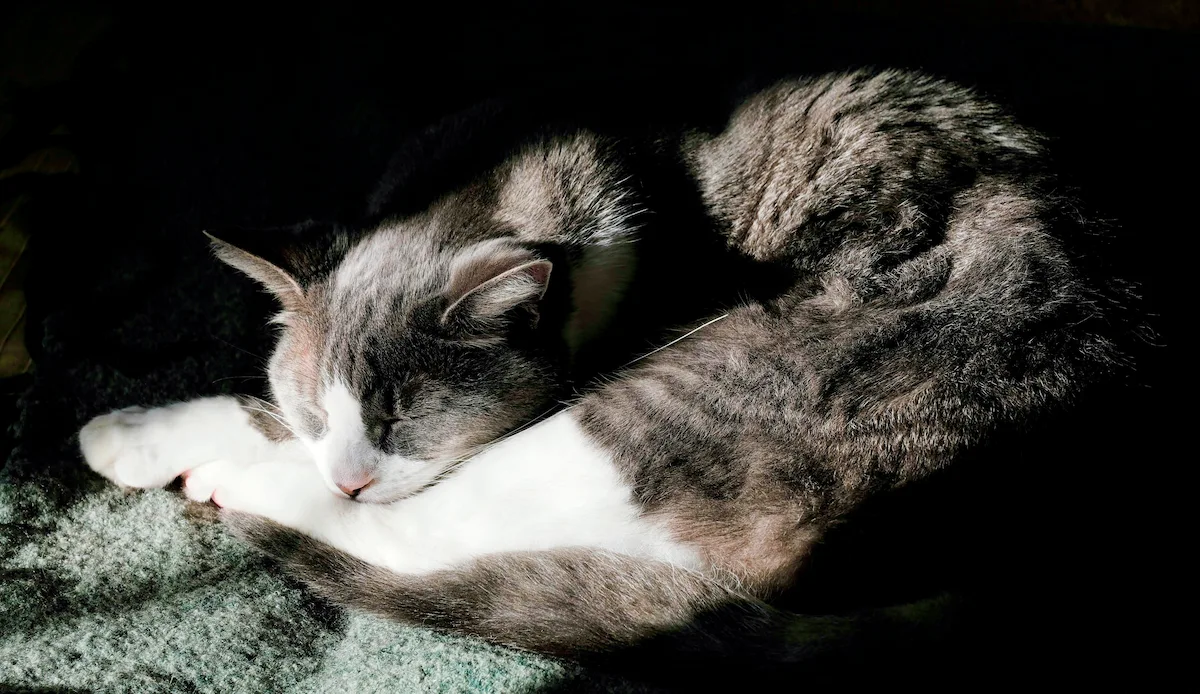
Senior cat pain signs in an older cat resting quietly on a blanket

Senior cat pain signs are not always obvious. Many older cats do not cry, limp dramatically, or make it clear that something hurts. Instead, discomfort can sometimes show through small changes in movement, grooming, mood, appetite, litter tray habits, or daily routine. This guide will help you notice subtle changes without panicking. The aim is … Read more

Fast Breathing in a Senior Cat: What to Note and When to Speak to Your Vet

Fast breathing in a senior cat can be unsettling to notice, especially if your cat is resting, hiding, or seems quieter than usual. Some cats breathe more quickly for a short time after stress, warmth, movement, or travel, but breathing that stays fast, looks effortful, or feels unusual for your cat should not be brushed … Read more

Senior Cat Heart Disease Signs: What Owners May Notice

Senior cat heart disease signs in an older cat resting at home

Senior cat heart disease signs can be difficult to recognise at home. Some cats show few obvious changes early on, while others may breathe differently, have less energy, eat less, hide more or simply seem unlike themselves. These changes do not confirm heart disease and can happen with several senior cat health problems. What matters … Read more

Cat Dementia at Night: Practical Tips and When to Speak to a Vet

Older cat resting at night for an article about cat dementia at night

Cat dementia at night can be worrying, especially if your older cat has started pacing, meowing loudly, seeming confused, or waking suddenly after dark. It can also be exhausting when the behaviour happens night after night. In some senior cats, night-time restlessness can be linked with cognitive changes. But it is important not to assume … Read more

Hyperthyroidism in Older Cats: Common Signs Owners May Notice

Older cat resting indoors for an article about hyperthyroidism in older cats

Hyperthyroidism in older cats may first show up as weight loss despite a good appetite, increased thirst, more urination, restlessness or coat changes. These signs can overlap with other senior-cat health problems, so the useful step at home is to notice the pattern and speak to your vet. Disclaimer: This article is for educational purposes … Read more