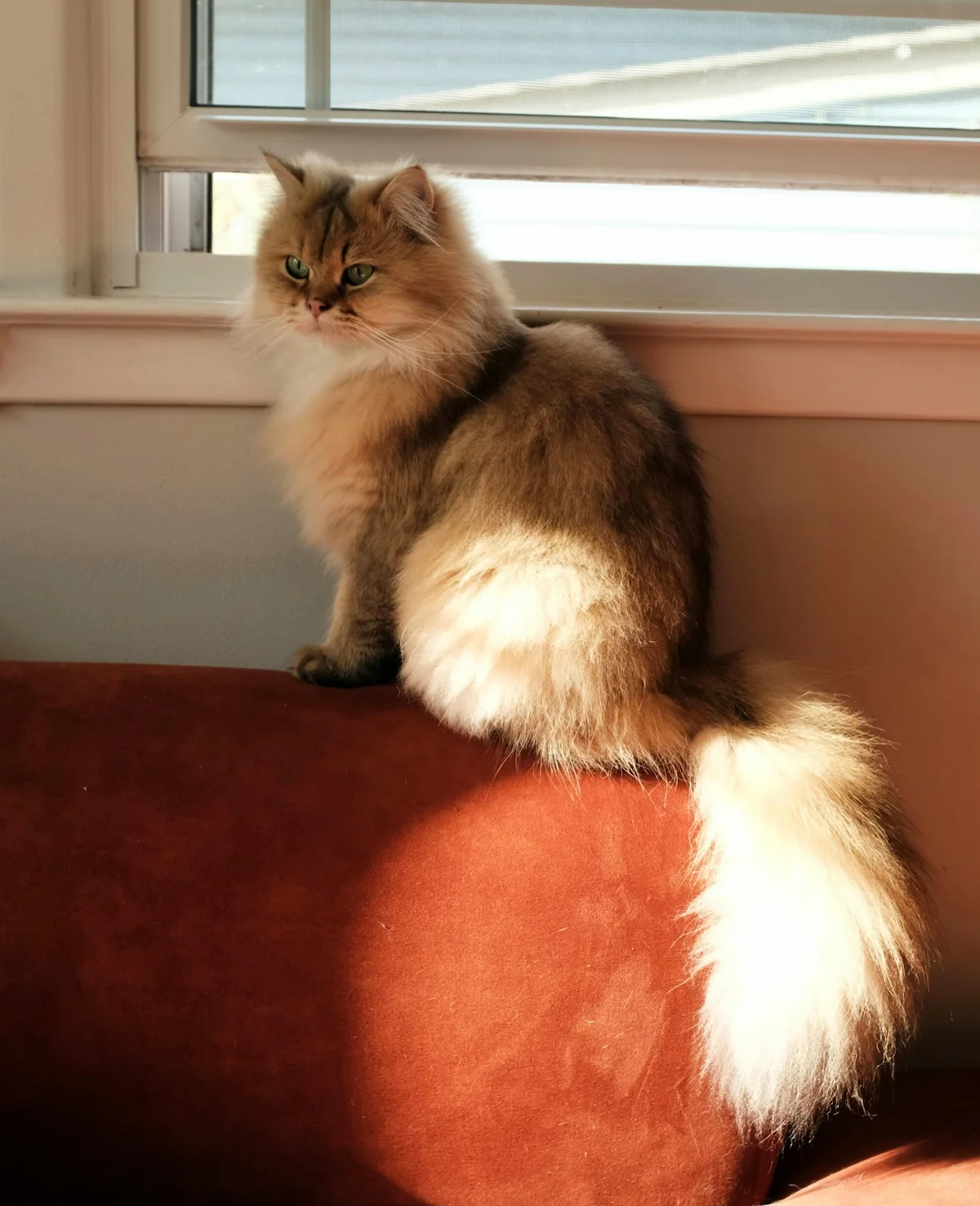
If your older cat used to jump onto the bed, sofa, windowsill, or favourite chair, it can feel worrying when that suddenly changes. A senior cat suddenly not jumping is not automatically a crisis, but it is a meaningful change worth noticing.
Sometimes the reason is simple, such as a slippery floor or a less stable landing spot. Other times, reduced jumping may be linked with stiffness, discomfort, weakness, eyesight changes, confidence, or another health change.
Sudden changes are more useful to notice than to panic over.
Disclaimer: This article is for educational purposes only and is not a substitute for professional veterinary advice. If your cat is in pain, losing weight, vomiting frequently, or acting differently, speak to your vet.
Key takeaway: A senior cat suddenly not jumping may be reacting to discomfort, stiffness, weakness, eyesight changes, confidence loss, or another health change. Notice the wider pattern and speak to your vet if the change is new, persistent, or comes with other signs.
Quick answer: senior cat suddenly not jumping
A senior cat suddenly not jumping may be reacting to stiffness, discomfort, weakness, eyesight changes, reduced confidence, a slip, an awkward landing, or another health change. Sometimes the problem is also linked with the home setup, such as slippery floors, higher furniture, poor lighting or an unstable landing place.
If the change is new, persistent, worsening, painful-looking, or happening alongside hiding, reduced grooming, appetite changes, weight loss, toileting changes, wobbliness or weakness, speak to your vet.
Why a senior cat suddenly not jumping matters
Jumping is a bigger movement than it can appear. Your cat needs strength, balance, coordination, eyesight, confidence, and comfortable joints to jump and land safely.
Older cats may gradually change how they move, especially if getting up, climbing, or landing becomes harder. Cornell Feline Health Center notes that arthritis is common in older cats, and some cats may have difficulty reaching food, water, or litter trays if they need to jump or climb stairs to get there.
That does not mean every older cat who stops jumping has arthritis. It simply means that reduced jumping is a clue, not something to dismiss as “just old age”.
A sudden change is especially worth noting if your cat:
- used to jump easily
- now hesitates or refuses
- chooses lower sleeping places
- climbs in stages instead of leaping
- seems stiff, sore, weak, or less confident
You are not trying to diagnose the cause at home. You are looking for patterns that can help your vet understand what has changed.
Common reasons a senior cat may suddenly stop jumping
There is not one single reason an older cat may stop jumping. The pattern around the change matters.
Stiffness or joint discomfort
Stiffness or joint discomfort can make jumping less appealing, even if your cat is not obviously limping.
You may notice your cat:
- pausing before jumping
- stretching carefully before moving
- choosing a lower chair instead of the bed
- climbing up in stages
- landing more heavily than usual
- avoiding cat trees, windowsills, or high resting spots
Cats are often subtle about discomfort. Some do not cry, limp dramatically, or show obvious pain. Instead, they quietly change their routine.
For a wider overview of age-related health changes, read Senior Cat Health: A Practical Guide for Older Cats.
Arthritis or age-related mobility changes
Arthritis is one possible reason a senior cat may become less willing to jump. International Cat Care explains that arthritis is very common in older cats and may be missed because cats often limit their activity rather than showing obvious signs.
Possible signs can include:
- jumping less
- struggling with stairs
- sleeping in easier-to-reach places
- grooming less
- seeming stiff after rest
- playing less than before
Not jumping is not enough to diagnose arthritis on its own. Injury, weakness, eyesight changes, illness, or home layout changes can look similar.
For more focused background on joint stiffness and reduced movement, read Arthritis in Senior Cats.
A strain, slip, awkward landing, or injury
Sometimes a cat suddenly avoids jumping after a slip, awkward landing, fall, or rough movement. You may not always see it happen.
This may be more likely if your cat:
- suddenly favours one side
- avoids putting weight on a leg
- flinches or moves away when touched
- hides more than usual
- seems reluctant to walk, climb, or use stairs
Avoid trying to test the painful area yourself. If the change is sudden or your cat seems sore, your vet is the safest person to assess what may be going on.
Weakness, tiredness, or feeling unwell
A senior cat not jumping may sometimes be part of a wider change in wellbeing rather than a simple mobility issue.
Look for changes such as:
- eating less
- drinking much more or much less
- hiding
- sleeping in unusual places
- grooming less
- seeming wobbly
- moving slowly
- struggling with the litter tray
- losing weight
- seeming “not quite right”
If your cat seems weak as well as less mobile, read Senior Cat Sudden Weakness for a closer look at wider weakness signs.
Eyesight, balance, or confidence changes
Jumping is not only about legs and joints. Your cat also needs to judge height, distance, and landing space.
Some older cats avoid jumps because they no longer feel sure they can land safely. This can happen if they have slipped before, if the landing area is unstable, or if they seem less confident in low light.
You may notice your cat:
- staring at a jump but not attempting it
- asking for help to reach a familiar place
- choosing routes along furniture instead of jumping directly
- avoiding jumps at night
- seeming unsure on narrow or high surfaces
If this is new, it is worth mentioning to your vet, especially if you have also noticed cloudy eyes, bumping into objects, wobbliness, or a change in confidence.
Changes around the home
Sometimes the problem is not only your cat’s body. The home environment may have become harder to use.
Common triggers include:
- slippery flooring
- a bed or sofa that is higher than before
- furniture being moved
- a wobbly cat tree
- a blocked route to a favourite place
- poor lighting
- a new pet or child making certain areas feel less safe
- food, water, or litter trays being placed somewhere harder to reach
For practical layout ideas, read our Senior Cat Comfort & Lifestyle guide.
When to speak to your vet
Speak to your vet if the jumping change is new, sudden, persistent, or unusual for your cat.
It is especially worth arranging advice if your cat:
- seems painful, stiff, weak, wobbly, or withdrawn
- stops using stairs, the litter tray, or familiar resting places
- eats less or loses weight
- vomits, hides, or grooms less
- cries out, flinches, or reacts when touched
- avoids normal movement
- seems worse over time
- has had a recent fall, slip, or awkward landing
A vet check can help identify whether pain, stiffness, injury, weakness, eyesight changes, or another health issue may be involved.
What you can safely do at home
Home changes do not treat the underlying cause, but they can make daily life easier and reduce unnecessary strain.
You can:
- move favourite beds to lower, easier places
- add stable steps or a low ramp
- use non-slip mats on slippery floors
- keep food, water, and litter trays easy to reach
- avoid forcing your cat to jump
- avoid repeatedly lifting your cat if they seem sore or stressed
- keep routines predictable
- take short videos of the movement change for your vet
For more support at home, you may also find Non-slip flooring for senior cats and Cat ramps for older cats to get on bed useful.
Should you stop your senior cat from jumping?
Not necessarily. Some senior cats can still manage low, familiar jumps comfortably. The aim is to make jumping optional rather than remove every favourite place.
Offer easier routes and lower resting places where needed, and speak to your vet if your cat suddenly cannot manage normal jumps or seems uncomfortable when moving.
Senior cat jumping change checklist
Before speaking to your vet, it can help to make a few notes.
Use this checklist:
- When did the change start?
- Was it sudden or gradual?
- Which jumps are now avoided?
- Can your cat still walk, climb, and use stairs?
- Do they hesitate, slip, or land awkwardly?
- Are they limping, stiff, weak, or wobbly?
- Are they eating and drinking normally?
- Are they grooming as usual?
- Are they using the litter tray normally?
- Have they changed sleeping spots?
- Has there been a recent fall, slip, new pet, furniture move, or household change?
- Is the issue worse after rest, at night, or after activity?
- Can you safely record a short video to show your vet?
Short videos can be especially useful because cats may move differently at the clinic than they do at home.
Final thoughts
A senior cat suddenly not jumping does not point to one single cause. It may be linked with stiffness, discomfort, weakness, confidence, eyesight, home layout, or another health change.
The safest approach is calm observation. Make your cat’s favourite places easier to reach, avoid forcing jumps, and speak to your vet if the change is new, persistent, painful-looking, or paired with other signs.
For a wider overview of age-related health changes, you may also find Senior Cat Health: A Practical Guide for Older Cats helpful.
For a broader look at jumping changes, stiffness, limping and home comfort, see our Senior Cat Mobility & Pain guide.
FAQs
Why has my senior cat suddenly stopped jumping?
A senior cat may suddenly stop jumping because of discomfort, stiffness, weakness, reduced confidence, eyesight changes, balance issues, or another health change. The surrounding signs matter. If the change is new, unusual, or affects daily life, it is worth speaking to your vet.
Is not jumping a sign of arthritis in older cats?
Not jumping can be one possible sign of arthritis or joint discomfort in older cats, but it is not enough to diagnose the problem. Injury, weakness, illness, eyesight changes, or environmental issues can also affect jumping. Your vet can help check what may be going on.
Should I lift my senior cat onto the bed or sofa?
Occasional gentle help may be fine if your cat accepts it, but repeatedly lifting a sore or anxious cat can make them more uncomfortable. A stable step, ramp, or lower resting place is often better because it gives your cat more control.
Should I stop my senior cat from jumping completely?
Not always. Some senior cats can still manage low, familiar jumps comfortably. The safer approach is to make jumping optional by adding easier routes and lower resting places. If your cat suddenly cannot jump, seems sore, or is avoiding normal movement, speak to your vet.
When should I worry about a cat suddenly not jumping?
Speak to your vet if the change is sudden, worsening, painful-looking, or paired with weakness, wobbliness, hiding, appetite changes, weight loss, vomiting, toileting changes, or reduced grooming. These signs give your vet a clearer reason to assess your cat.
External references
Cornell Feline Health Center — The Special Needs of the Senior Cat
International Cat Care — Arthritis in cats