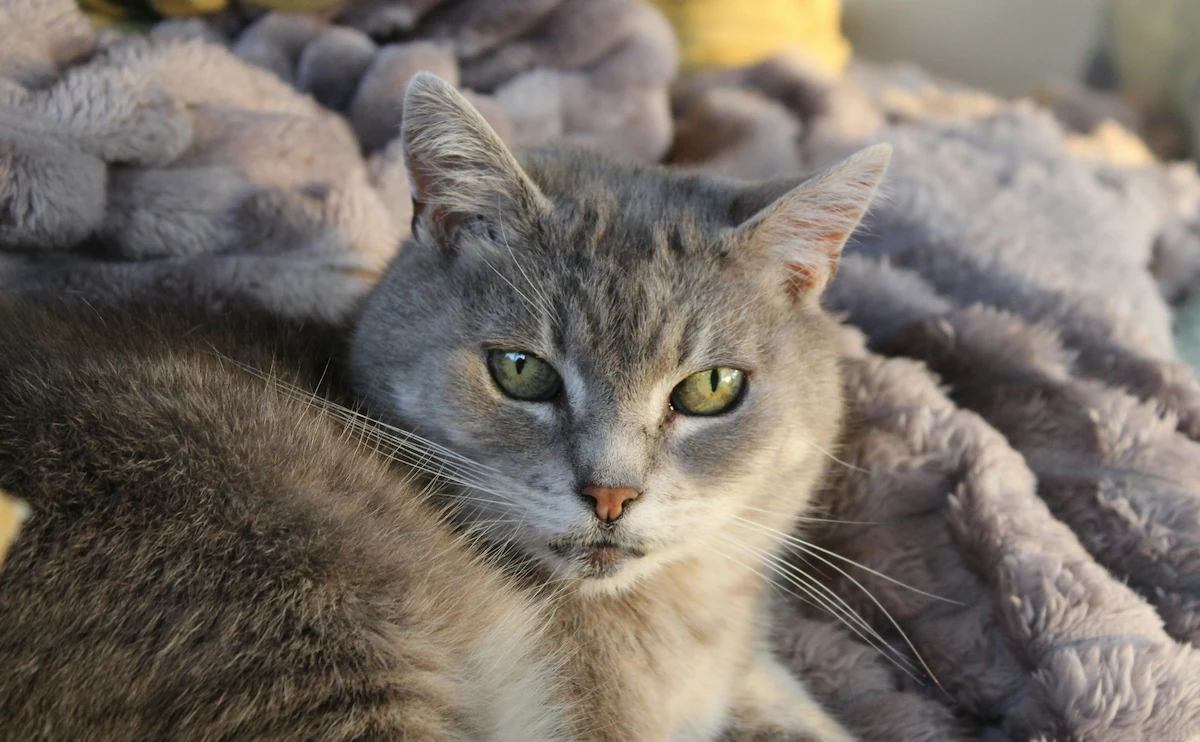
Senior cat vaccination side effects can feel worrying when your older cat seems sleepy, sore, quiet, or slightly off their food after a vet visit. Some mild changes can happen after vaccines, but senior cats deserve careful observation because small changes may stand out more at this age.
This guide explains what can be mild, what is worth monitoring, and when to speak to your vet.
Disclaimer: This article is for educational purposes only and is not a substitute for professional veterinary advice. If your cat is struggling to breathe, collapsing, repeatedly vomiting, in pain, very weak, or acting very differently, speak to your vet promptly.
Key takeaway: Mild tiredness, slight soreness, or a brief change in appetite can happen after vaccination, but strong, worsening, unusual, or persistent changes should be mentioned to your vet — especially in a senior cat.
Quick answer: senior cat vaccination side effects
Mild senior cat vaccination side effects can include temporary sleepiness, slight soreness, quieter behaviour or a brief reduction in appetite. These changes are more reassuring when your cat remains responsive and gradually returns to their usual routine.
Speak to your vet if the reaction is strong, worsening, unusual or not settling. Seek prompt veterinary advice for breathing difficulty, facial swelling, collapse, repeated vomiting, severe weakness or extreme distress.
Senior cat vaccination side effects: what can be mild?
Some cats seem a little different after vaccination. They may rest more, eat a little less, or feel mildly sensitive around the injection area.
Mild changes can include:
- Sleeping more than usual
- Being quieter for a short time
- Slight soreness where the injection was given
- A brief dip in appetite
- Mild grumpiness when handled
- A small swelling or lump near the injection site
PDSA lists low energy, eating less, sleeping more, fever, and mild swelling around the vaccine site among common vaccine side effects. It also advises veterinary contact if symptoms worry you, worsen, or continue beyond the expected period.
The important point is not just what you notice, but how your cat seems overall. A senior cat who is a little sleepy but still responsive, comfortable, and gradually improving is different from a cat who is very weak, distressed, hiding, breathing differently, or getting worse.
Why senior cats need careful observation after vaccines
Older cats may already sleep more, move more carefully, or have ongoing health conditions. This can make it harder to tell whether a change is related to vaccination, general ageing, stress from the vet visit, or something else.
That is why your cat’s normal baseline matters.
After a vaccination, it is sensible to gently watch:
- Appetite
- Drinking
- Litter tray use
- Breathing
- Movement
- Alertness
- Comfort when touched
- Behaviour compared with their usual routine
You do not need to hover over your cat constantly. In fact, many older cats prefer a quiet space after a vet visit. But you do want to notice whether your cat is improving, staying the same, or becoming more unwell.
For a wider overview of age-related health changes, you may also find Senior Cat Health: A Practical Guide for Older Cats helpful.
Mild vs mention it: a simple guide for owners
The table below is not a diagnosis tool. It is a practical way to decide whether a change seems mild and improving, or whether it is worth mentioning to your vet.
| What you notice | Often mild if… | Mention it to your vet if… |
|---|---|---|
| Sleepiness | Your cat is a little quieter but still responsive and improving | Your cat is very weak, hard to rouse, worsening, or not like themselves |
| Reduced appetite | Appetite is only slightly reduced and starting to return | Your cat refuses food, seems nauseous, or appetite does not improve |
| Soreness | There is slight sensitivity around the injection area | Your cat cries out, limps, avoids moving, or seems very painful |
| Small lump or swelling | It is small, not painful, and not growing | It grows, becomes painful, oozes, persists, or worries you |
| Quiet behaviour | Your cat rests more but still responds normally | Your cat hides, seems confused, collapses, or acts very differently |
| Mild grumpiness | Your cat dislikes being touched near the injection area | Your cat shows strong pain, distress, aggression, or sudden behaviour change |
A helpful rule is to focus on the pattern. Mild and improving is more reassuring than strong, unusual, or worsening.
Signs that should not be treated as mild
Most vaccine side effects are mild, but some signs should not be watched at home without advice.
Speak to your vet promptly, or seek emergency veterinary advice if your senior cat has:
- Trouble breathing
- Facial swelling
- Collapse
- Severe weakness
- Repeated vomiting
- Seizure-like activity
- Rapid worsening
- Extreme distress
- Pale gums, if noticed
- Any reaction that feels severe or frightening
These signs do not mean you need to panic, but they do mean your cat should have veterinary advice quickly.
Cornell Feline Health Center explains that vaccines help protect cats from infectious disease, while also noting that, like any medical intervention, vaccines can carry risks. The balanced approach is to take possible reactions seriously without becoming fearful of vaccination itself.
What to note before speaking to your vet
If you contact your vet, clear details can help them understand what has changed.
Before you speak to your vet, it can help to note:
- The date and time your cat was vaccinated
- Which vaccine was given, if you know
- When the change started
- What you noticed first
- Whether the signs are improving, staying the same, or worsening
- Whether your cat is eating
- Whether your cat is drinking
- Litter tray use
- Breathing and movement
- Alertness and behaviour
- Any swelling, lump, or soreness
- Any vomiting, collapse, facial swelling, or severe weakness
- Any previous vaccine reaction
- Any existing health conditions or regular medication
You are not trying to diagnose a vaccine reaction yourself. You are simply giving your vet a clearer picture.
What about a lump after a senior cat’s vaccination?
A small lump or swelling near the injection site can happen after vaccination. In many cases, this is mild, but it is still worth watching carefully.
Do not squeeze, press, massage, or try to treat the lump yourself. Instead, note:
- Where it is
- Roughly how big it is
- Whether it is painful
- Whether it is growing, shrinking, or staying the same
- Whether the skin looks sore, broken, or oozing
A small lump does not automatically mean something serious. However, mention it to your vet if it grows, becomes painful, oozes, persists or worries you.
Should side effects change future vaccine plans?
If your senior cat seemed unwell after a vaccination, tell your vet what happened before the next vaccine appointment.
Useful details include which signs you noticed, how soon they started, how long they lasted and whether your cat needed veterinary care.
Do not stop or delay future vaccines based only on a previous reaction without veterinary advice. Your vet can consider the reaction alongside your cat’s wider health and vaccination history.
For broader planning questions, see our Senior Cat Vaccines guide.
How to support your senior cat after vaccination
After vaccination, simple comfort can help your senior cat settle.
You can:
- Let your cat rest somewhere quiet
- Keep food, water, and the litter tray easy to reach
- Avoid unnecessary handling if the injection area seems sore
- Keep the home routine calm
- Watch gently without repeatedly disturbing them
- Make a note of any changes
Do not give human painkillers, leftover medication, or supplements unless your vet has specifically told you to. Some human medicines are dangerous for cats, and older cats may be more vulnerable if they have hidden or known health issues.
When to speak to your vet
Speak to your vet if a post-vaccination change is strong, worsening, unusual or not settling as expected.
Seek prompt veterinary advice for serious changes such as breathing difficulty, facial swelling, collapse, repeated vomiting or severe weakness.
Also contact your vet if an injection-site lump grows, becomes painful, oozes or persists, or if you are simply unsure whether what you are seeing is mild.
FAQs
Is it normal for a senior cat to be sleepy after vaccination?
Mild sleepiness can happen after vaccination. It is more reassuring if your cat is still responsive, comfortable, and gradually improving. If your senior cat seems very weak, hard to rouse, distressed, or unlike themselves, speak to your vet.
How long do mild cat vaccine side effects usually last?
Mild vaccine side effects often settle within a short period. If signs are concerning, worsening, or lasting longer than expected, speak to your vet.
Should I worry about a lump after my senior cat’s vaccination?
A small lump can happen after vaccination, but it should be watched. Mention it to your vet if it grows, becomes painful, oozes, persists, or worries you.
Can vaccines make an older cat stop eating?
A brief, mild dip in appetite can happen after vaccination. However, a senior cat refusing food or seeming unwell should be discussed with a vet. Appetite changes in older cats are worth taking seriously.
For related guidance, you may also find Senior cat appetite changes: what’s common as cats age helpful.
Should I skip future vaccines if my senior cat had side effects?
Do not skip future vaccines without speaking to your vet. Tell your vet what happened so they can help assess future vaccine choices, timing, and monitoring.
Are senior cats more likely to have vaccine side effects?
Not necessarily. However, senior cats may have age-related changes or health conditions that make observation more important. Your vet can advise based on your cat’s age, lifestyle, health history, and previous vaccine reactions.
Final thoughts
Senior cat vaccination side effects can be mild, especially tiredness, slight soreness, or a short-lived appetite change. The key is to watch the overall pattern.
If your cat is only a little quieter and seems to be improving, gentle observation may be enough. If changes are strong, worsening, unusual, persistent, or simply worrying you, it is sensible to speak to your vet.
Vaccines remain an important part of preventive care for many cats. For senior cats, the safest approach is not to avoid the conversation, but to make it individual: your cat’s age, health, lifestyle, and previous reactions all matter.
External references
PDSA — Vaccination reactions in pets
Cornell Feline Health Center — Feline vaccines: benefits and risks