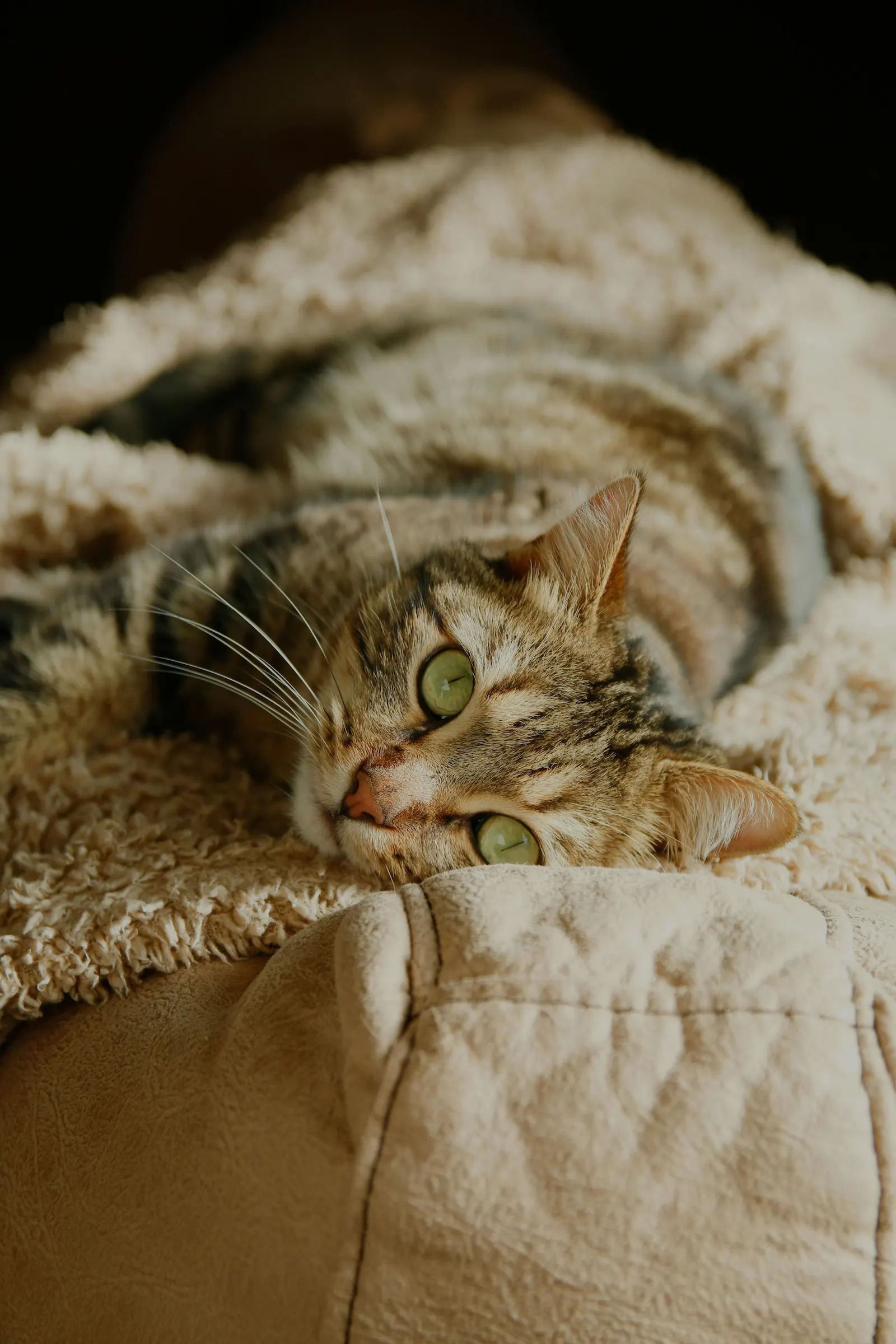
Senior cat resting spots often become more important as cats get older. A place that once felt fine may start to seem too hard, too cold, too exposed, or simply awkward to use. That does not always mean something is wrong. In many cases, it means comfort matters more than it used to, and small home changes can make daily life feel easier.
Disclaimer: This article is for educational purposes only and is not a substitute for veterinary advice. If your cat seems painful, is struggling to get comfortable, has changed suddenly, or is showing other changes in appetite, grooming, mobility, or behaviour, speak to your vet.
Key takeaway: A good resting spot for a senior cat is usually warm, quiet, straightforward to use, and supportive without being awkward to get into. You do not need expensive equipment to improve comfort. In many homes, the most helpful changes are simple ones.
Quick answer: senior cat resting spots
Senior cat resting spots work best when they are warm, quiet, easy to reach, soft but stable, and placed in areas your older cat already likes. A good resting spot does not need to be expensive. Often, a folded blanket, low-sided bed, padded mat, or easier route to a favourite chair can make daily rest feel more comfortable.
If your cat suddenly stops using favourite resting places, struggles to get comfortable, avoids jumping, seems stiff, grooms less, eats less, hides more, or changes behaviour, speak to your vet.
Why resting spots matter more as cats get older
Older cats often spend more time resting, and their preferences can shift gradually with age. A bed or favourite corner that once worked well may become less appealing if it feels cold, slippery, exposed, or awkward to access.
That is one reason resting spots matter more in later life. Even a small amount of extra effort to climb up, step over a high edge, or settle onto a hard surface may make a place feel less inviting. International Cat Care advises using soft, comfortable beds in easy-to-access, quiet, draught-free places for older cats, especially where comfort is becoming more important.
Older cats may also value predictability more than younger cats. Cornell notes that older cats often do best with familiar routines and surroundings. A resting place that feels settled, familiar, and easy to use may therefore matter more than owners realise.
For broader context on changing sleep habits, you may also find Older cat sleeping more: what’s normal and when to pay attention helpful.
What makes a good resting spot for a senior cat
Soft, supportive, and stable
A senior cat resting spot should feel comfortable, but it should also feel steady. If a bed slides across the floor, tips slightly, or sinks too deeply, some older cats may avoid it.
Support does not need to mean a specialist product. Often, a folded blanket, a padded mat, or a stable cushion in the right place is enough. The goal is not to create a luxury setup. It is to make rest feel easier.
Warm but not stuffy
Many older cats seem to enjoy warmth, especially in cooler parts of the house. A warm resting place can feel more inviting than a cold floor or a draughty hallway.
That said, warm is not the same as overheated. A cosy spot near a radiator may suit some cats, but they should still be able to move away easily if they want to. A blanket, a sheltered corner, or a bed away from draughts is often all that is needed.
Easy to get in and out of
This matters more than many owners expect. A lovely bed is not very useful if the sides are awkwardly high, the entrance is narrow, or the route to it is slippery.
Straightforward access can mean:
- a low-sided bed
- a soft resting place at floor level
- a step or sturdy footstool near a sofa
- a favourite chair made easier to use
International Cat Care’s home guidance also supports adapting the environment so valued places are easier to access, rather than expecting the cat to keep using awkward routes.
Quiet enough for proper rest
Some older cats become more selective about noise, foot traffic, or interruption. A resting place in the middle of a busy walkway may be used less, even if it is soft and warm.
A better option is often somewhere that still feels part of the home, but not in the path of constant movement. Corners of living rooms, quieter parts of bedrooms, or a familiar chair away from doorways can work well.
Room to change position
Cats do not always rest in one fixed way. Some stretch out. Some curl tightly. Some change position several times before settling. A useful resting place gives them enough room to choose.
If a bed is too small, too enclosed, or too awkwardly shaped, it may look cosy to us but feel limiting to the cat.
Simple senior cat resting spot ideas around the home
A floor-level cosy corner
One of the easiest wins is often a comfortable floor-level spot in a room your cat already likes. This can work especially well for cats who seem less keen on jumping or climbing than they used to.
A simple setup might include:
- a padded mat or folded blanket
- a warm but not hot part of the room
- a quiet corner away from draughts
- nearby flooring with good grip
For related traction ideas around beds and walkways, see Non-slip flooring for senior cats: traction tips that actually help.
A sofa or chair setup with easier access
Many older cats still want to rest near their people. If your cat loves the sofa or your favourite chair, it often makes more sense to make that place easier to reach than to try to persuade them to use a completely different bed.
A low, stable step placed beside the furniture can help. So can a nearby ottoman or footstool, provided it does not wobble or slide.
If your cat still wants to reach the bed, sofa or a favourite chair but seems less confident jumping, our Cat ramps for older cats to get on bed guide may help you compare ramps, steps and safer setup options.
A bedroom backup spot
Some cats like a second resting place away from the busiest parts of the house. This can be especially useful if your cat follows you to quieter rooms later in the day or seems less keen on noise than before.
A bedroom backup spot does not need to be elaborate. A stable blanket on a low bench, a padded basket with a low entrance, or a soft rug in a warm corner may be enough.
A warm daytime spot near natural light
Many cats enjoy a warm patch of daylight. For older cats, that spot tends to work best when the route up and down is simple and the surface itself feels secure.
A sunny chair, a low window seat, or a blanket placed where the morning light falls can all work well. The key is access. A spot that looks ideal but takes effort to reach may be used less often.
More than one good resting place
Having only one comfortable resting place can be limiting, especially in a larger home or a busier household. A senior cat may benefit from having two or three reliable options in the rooms they already use most.
That gives them more choice during the day and can reduce the effort involved in moving from one area of the home to another.
Signs your older cat may want a more supportive resting place
Sometimes the clue is not the bed itself. It is the way your cat uses it.
You might notice:
- hesitating before jumping up
- circling more before lying down
- settling more slowly than before
- choosing lower places than they used to
- avoiding colder, harder, or more exposed surfaces
- using a spot more often once it is padded, warmer, or easier to reach
These changes do not automatically point to one specific cause. They are simply useful everyday clues that comfort and access may matter more than they did before.
If you are also noticing broader mobility changes, Arthritis in Senior Cats may be helpful for context.
Common resting spot mistakes
Beds that slide
If the bed moves when your cat steps in or out, some cats will stop using it. A non-slip base or a steadier surface underneath can help.
High sides that are awkward to step over
Deep, fluffy beds can look inviting, but some older cats prefer lower sides and easier entry.
Favourite places with no easy route up
A senior cat may still want to use a sofa, bed, or windowsill, but be less happy about the jump. Sometimes the issue is not the place itself. It is the route.
Resting spots in draughty or noisy areas
A bed near a doorway, a corridor, or a cold patch of floor may be used less, even if it seemed fine in the past.
Only one comfortable option in the whole house
If the only truly comfortable place is in one room, your cat may either overuse it or settle for less comfortable alternatives elsewhere.
A simple resting spot checklist
A resting spot does not need to be fancy to work well. For many older cats, it simply helps if it is:
- easy to reach
- warm and away from draughts
- soft but stable
- big enough for your cat to change position
- quiet enough for proper rest
- near a surface with good grip
- available in more than one room if possible
When to speak to your vet
A comfort issue is worth mentioning to your vet when it looks clearly new, marked, or difficult for your cat.
It is especially sensible to speak to your vet if:
- getting up or lying down looks uncomfortable
- your cat suddenly stops using favourite places
- jumping or climbing changes noticeably
- rest changes come with stiffness, reduced grooming, appetite changes, or behaviour changes
- the pattern feels progressive rather than gradual
If resting changes are part of several subtle changes, such as reduced movement, hiding, grooming less, appetite changes or sensitivity to touch, our Senior Cat Pain Signs guide may help you look at the wider pattern.
This does not mean every sleeping-place change is serious. It means resting habits can be a useful everyday clue, especially when they change alongside other parts of daily life.
For broader help with home layout, access routes, resting places and daily comfort, see our Senior Cat Comfort & Lifestyle guide.
Final thoughts
Senior cat resting spots do not need to be complicated. In many homes, the best setup is simply one that is warmer, steadier, quieter, and easier to use than before.
A folded blanket in the right corner, a lower place to rest, or an easier way onto the sofa may not look dramatic, but small changes often matter most. The goal is not perfection. It is to make rest feel easier and more inviting for an older cat.
For a broader overview of movement, stiffness and comfort changes in older cats, see our Senior Cat Mobility & Pain guide.
FAQs
Do older cats need softer beds?
Many older cats seem to prefer softer, warmer places to rest, especially if hard or cold surfaces feel less appealing than they used to. The key is comfort and stability rather than thickness alone.
Is it normal for a senior cat to stop sleeping in high places?
It can be. Some older cats start choosing lower, easier-to-reach places as they age. That said, a sudden change or obvious reluctance to jump is worth paying attention to.
Where is the best place to put a bed for an older cat?
Usually somewhere your cat already likes to spend time, as long as it is quiet, warm, easy to access, and not in a draughty or slippery area.
How many resting spots should a senior cat have?
More than one is often helpful. A comfortable option in at least two or three familiar parts of the house can give an older cat more choice and less effort through the day.
When is a change in resting habits worth mentioning to a vet?
It is worth mentioning when the change is sudden, marked, clearly uncomfortable, or happening alongside other changes in mobility, grooming, appetite, litter tray habits, or behaviour.