Senior cat dehydration: signs owners can spot and how vets assess it
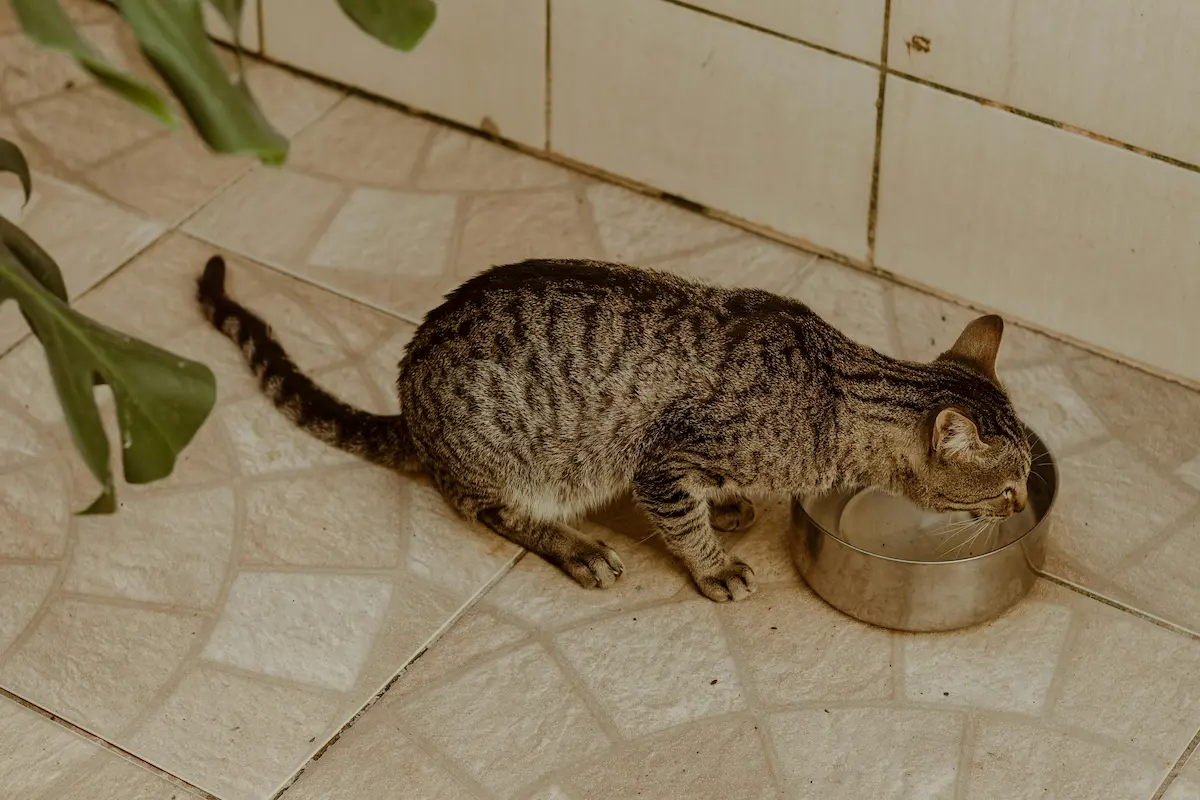
senior cat dehydration

Older cats can be a little harder to read, especially when something seems slightly off rather than clearly wrong. Senior cat dehydration can be easy to miss for that reason. The signs are not always dramatic, and some of them can overlap with other common senior-cat health changes. Disclaimer: This article is for educational purposes … Read more
Senior cat vomiting: what’s common and when to mention it to your vet

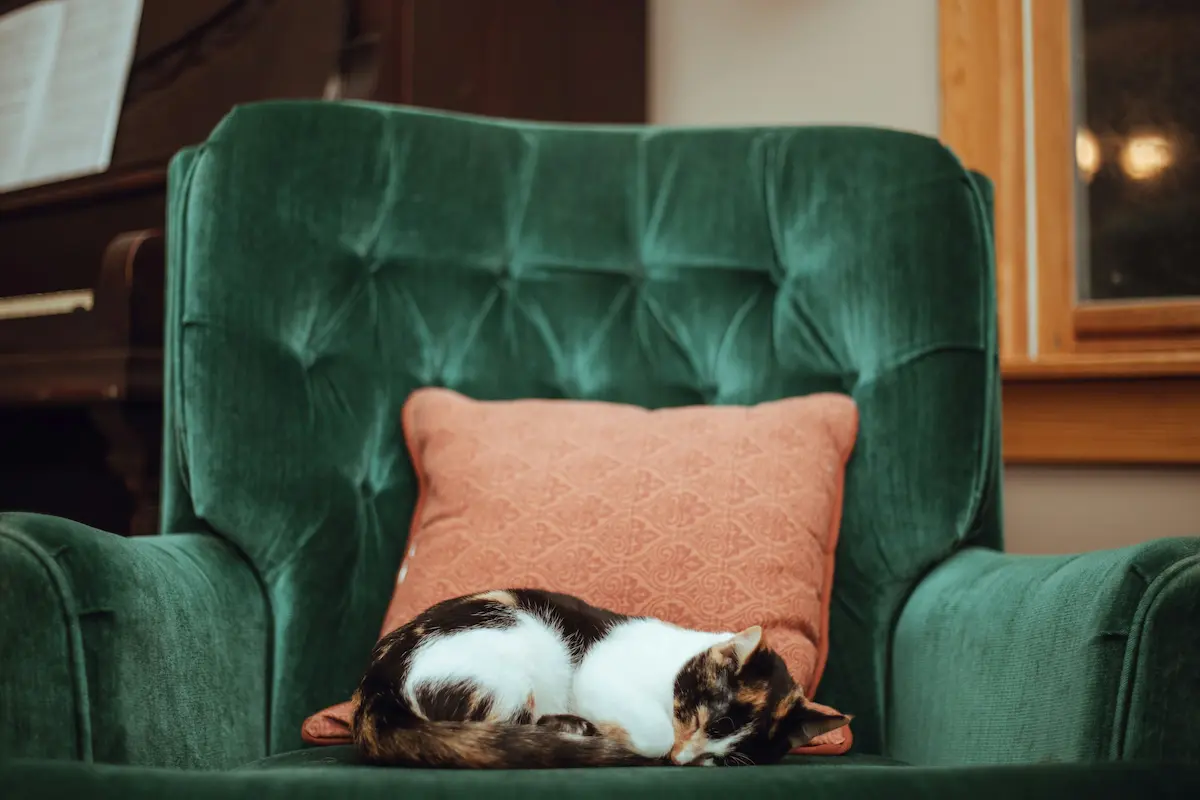
older senior cat resting on a green armchair at home

Senior cat vomiting can be confusing because some older cats are sick only once in a while, while others seem bright and normal in between episodes. A single episode is not always serious, but repeated vomiting in an older cat is worth paying attention to. Cornell notes that occasional vomiting can happen in cats, but … Read more

Senior cat peeing outside the litter tray: what to check and when to speak to your vet

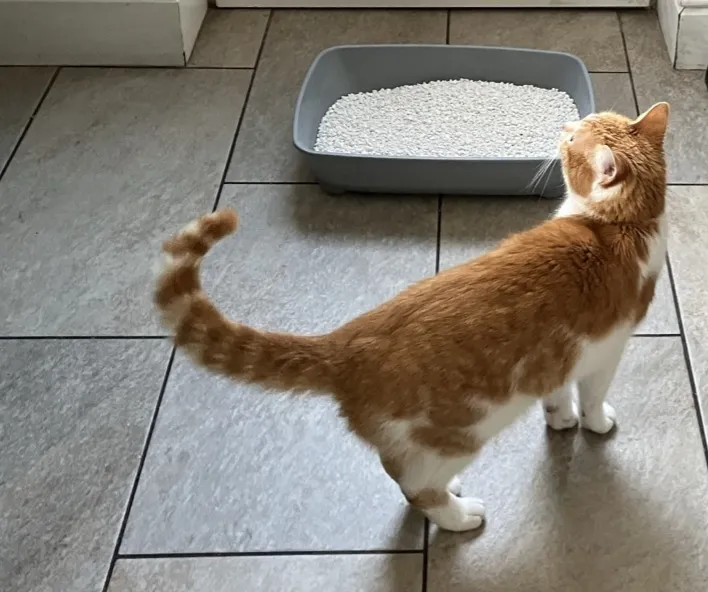
senior cat not using litter tray

If your senior cat starts peeing outside the litter tray, it’s easy to feel stuck between “is this behavioural?” and “is something wrong?”. In older cats, it is often linked to comfort, access, routine, stress, or an underlying health issue that needs checking. Disclaimer: This article is for educational purposes only and is not a … Read more

Senior Cat Constipation and Litter Tray Straining: What to Watch

Senior cat constipation can be worrying, especially if your older cat keeps visiting the litter tray, strains, or produces little or no poo. It can also be confusing because hairballs usually show up differently, through gagging, retching, or vomiting. This guide explains what to note, how constipation and hairballs can look different, and when to … Read more

Senior Cat Weight Loss: Common Reasons and When to Speak to a Vet

A senior cat losing weight can be worrying — especially if they still seem bright, or they’re eating “about the same” day to day. The good news is you don’t need to guess what it means. This guide covers: Disclaimer: This article is for general education and isn’t a substitute for veterinary advice. If your cat … Read more

Do Cats Snore? When It’s Normal, What to Watch For, and When to Mention It to a Vet

Do cats snore? Cat sleeping on a couch

Do cats snore? Cats can make all sorts of sleepy noises — soft snuffles, little whistles, and the occasional snore. If you’ve noticed your cat snoring, it’s natural to wonder whether it’s normal, especially if your cat is older or the sound seems new. Snoring can be harmless. The part that matters most is pattern … Read more

Can Cats Have Dementia? Understanding Feline Cognitive Dysfunction in Older Cats

Older cats can change in quiet, confusing ways. A cat who used to be settled at night may start meowing more. A confident jumper may hesitate. A social cat may seem distant—or suddenly clingy. It’s normal to wonder: can cats have dementia, or is this “just old age”? Disclaimer: This article is for educational purposes … Read more
Arthritis in Senior Cats: Signs and When to Speak to Your Vet

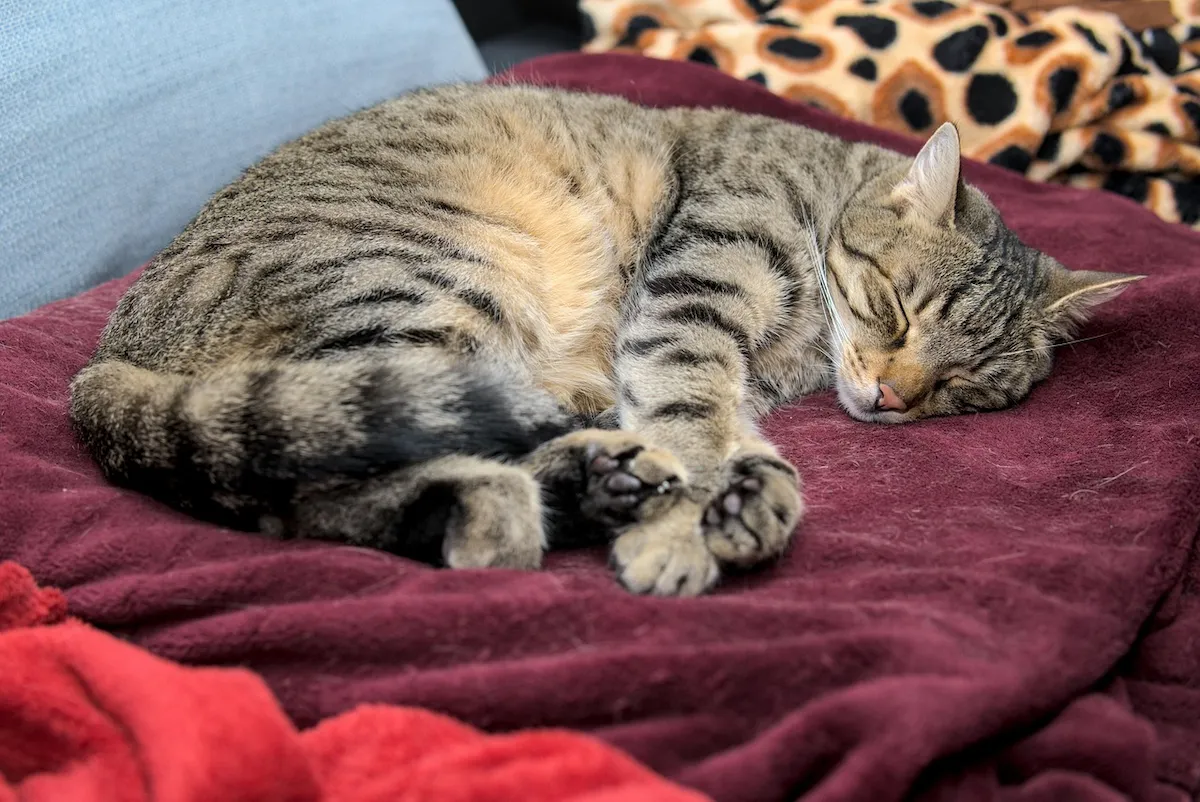
As cats grow older, many experience gradual physical changes that affect movement, comfort, and daily routines. One of the most common age-related conditions in older cats is arthritis. Understanding arthritis in senior cats is less about looking for dramatic symptoms and more about noticing subtle shifts in behaviour, mobility, and routine over time. This guide … Read more