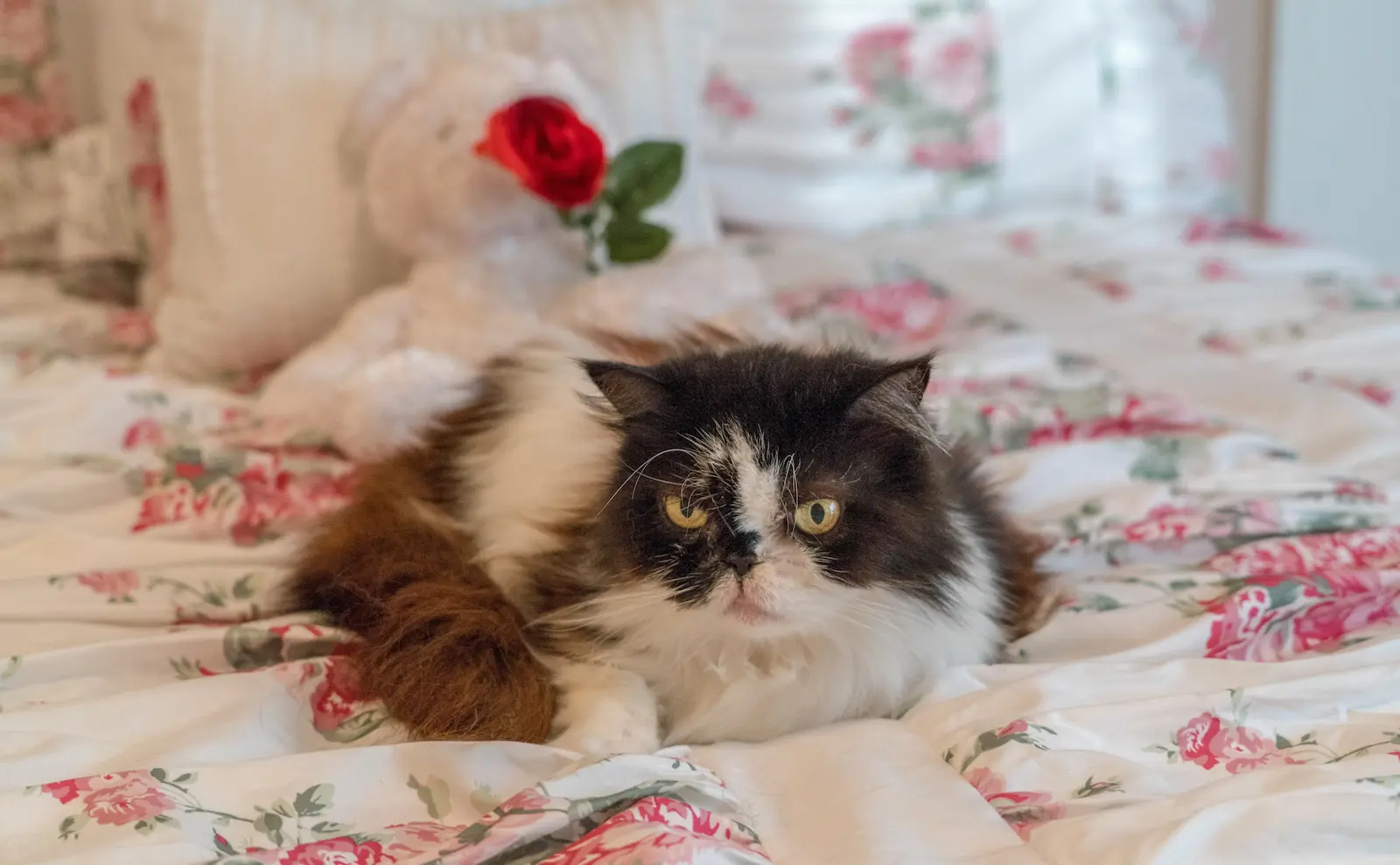
Senior cat bad breath is not usually a normal part of ageing. A mild food smell may be temporary, but breath that is new, persistent or clearly stronger than usual is worth paying attention to, especially if eating, drooling, weight, grooming or behaviour have also changed.
This guide explains common mouth-related reasons, what else owners may notice and when to speak to a vet. The smell alone cannot identify the cause.
Disclaimer: This article is for educational purposes only and is not a substitute for professional veterinary advice. Speak to your vet if bad breath is new, persistent or worsening, especially when it appears alongside eating changes, drooling, weight loss, swelling, bleeding, discomfort or a marked change in behaviour.
Key takeaway: Senior cat bad breath is often linked to dental or other mouth problems and should not be dismissed as normal ageing. Persistent or worsening breath is worth discussing with your vet, particularly when eating, drooling, weight or comfort have also changed.
Quick answer: senior cat bad breath
Bad breath is not usually a normal part of getting older. Dental disease and other mouth problems are common reasons, but breath alone cannot show what is causing the change.
Speak to your vet if the smell is new, persistent or worsening. Seek prompt advice when it comes with difficulty eating, drooling, weight loss, facial swelling, bleeding or obvious discomfort. Do not force your cat’s mouth open or use human dental products.
Is bad breath normal in an older cat?
Not usually. A cat’s breath does not need to smell fresh, but a new or clearly unpleasant smell should not be dismissed as part of ageing.
Dental and mouth problems become more common over time, and cats may continue eating or following their usual routine even when their mouth is uncomfortable. This is why bad breath can be a useful early change to mention to your vet.
The smell does not confirm dental disease or any other condition. Look at it alongside changes in eating, drooling, grooming, weight, energy and behaviour.
The most common reason: dental disease
Dental disease is one of the most common reasons for persistent bad breath in cats.
Changes around the teeth and gums may also appear alongside:
- visible tartar
- red or swollen gums
- slower eating
- dropping food
- avoiding hard food
- drooling
- pawing at the mouth
- reduced appetite
These signs can develop gradually, and some cats continue eating despite mouth discomfort. A veterinary examination is needed to understand what is happening.
For a broader look at gum, tooth and eating changes, see our Senior Cat Dental Disease guide.
Other possible reasons for bad breath in a senior cat
Dental disease is the most common reason, but it is not the only one.
Something stuck in the mouth or oral irritation
Food stuck around the teeth, inflammation in the mouth, ulcers, injury, or other oral irritation can all make the breath smell worse. Cornell notes that bad breath may be associated with oral trauma and other conditions affecting the tissues around the mouth.
Mouth inflammation or more serious mouth problems
Some cats develop more severe inflammation in the mouth, and in some cases bad breath can appear alongside drooling, weight loss, facial swelling, or obvious reluctance to eat. Cornell notes these signs can also appear with oral cavity tumours, though this is not the most common explanation.
It is best not to jump straight to the worst-case explanation. But if bad breath comes with several other changes at once, it is sensible to take that seriously.
Wider health problems that can affect breath
Bad breath can occasionally appear alongside wider health changes. That does not mean the smell points clearly to a particular condition.
Appetite, drinking, urination, vomiting, weight, grooming, energy and behaviour all help your vet understand the wider picture. Avoid trying to identify the cause from the type of smell alone.
What else to look for
Bad breath becomes more useful as a clue when you notice it alongside other changes.
Eating changes
Watch for:
- eating more slowly
- dropping food
- seeming interested in food and then walking away
- chewing on one side
- refusing hard food
- reduced appetite
Dental problems can show up through eating changes, not just obvious mouth pain.
If appetite has changed too, see our Senior Cat Not Eating guide for other changes to note and when to speak to your vet.
Drooling, pawing, or face sensitivity
International Cat Care lists drooling and pawing at the mouth among the signs that can accompany dental disease or mouth pain. Some cats also become less happy about being touched around the face.
Weight loss, grooming changes, or lower energy
When the mouth is uncomfortable, some cats may eat less, groom less and gradually lose weight. Lower energy or broader changes in wellbeing are also worth mentioning to your vet.
When to speak to your vet
Speak to your vet if your senior cat’s breath is new, persistent, clearly stronger than usual or getting worse.
Seek prompt veterinary advice when bad breath appears alongside:
- slower or more difficult eating
- dropping food
- reduced appetite
- drooling
- pawing at the mouth
- visible gum redness or tartar
- weight loss
- reduced grooming
- discomfort around the face or mouth
Seek urgent veterinary advice if:
- your cat stops eating
- there is facial or jaw swelling
- the mouth is bleeding
- your cat appears to be in marked pain
- they become very weak or severely unwell
- repeated vomiting occurs alongside the breath change
You do not need to identify the cause before contacting your vet. Describe when the smell began and any changes in eating, drooling, weight, grooming, energy or behaviour.
What not to do at home
It is understandable to want a quick answer, but this is one of those situations where a gentle approach is better.
Do not force your cat’s mouth open
If the mouth is sore, forcing it open can make your cat more distressed and may make handling harder next time. Do not force a dental check if your cat resists.
Do not assume it is “just old age”
That assumption is one of the easiest ways for mouth problems to drag on longer than they should.
Do not try home remedies or human products
Human toothpaste, mouthwash and unverified home remedies are not safe substitutes for a veterinary assessment. Avoid trying to cover up the smell before the cause has been checked.
What to note before speaking to your vet
Make a brief note of:
- when you first noticed the smell
- whether it is persistent or getting worse
- whether eating or chewing has changed
- whether your cat is drooling or pawing at their mouth
- whether weight, grooming, energy or behaviour have changed
- whether you have noticed swelling, bleeding or visible gum changes
These observations can help your vet understand the pattern without you needing to force your cat’s mouth open.
Final thoughts
Persistent senior cat bad breath is worth paying attention to rather than dismissing as old age. Dental and other mouth problems are common explanations, but the smell alone cannot identify the cause.
Look for accompanying changes in eating, drooling, weight, grooming and comfort, and speak to your vet when the smell is new, persistent or worsening. Avoid trying to treat or cover up the smell at home.
For broader context on changes owners may notice as cats get older, see our Senior Cat Health guide.
If bad breath appears alongside drooling, eating changes or gum changes, our Senior Cat Dental Health guide explains the wider dental picture.
FAQs
Is bad breath normal in a senior cat?
No. A cat’s breath does not need to smell fresh, but clearly bad breath is usually a sign worth noticing rather than a normal part of ageing.
Does bad breath always mean dental disease?
Not always. Dental disease is the most common reason, but other mouth problems and some wider health conditions can also affect breath. Cornell is clear that periodontal disease is the most common cause, not the only one.
Can kidney problems cause bad breath in cats?
They can sometimes contribute to breath changes, but bad breath on its own does not tell you the cause. Cornell lists kidney disease among the conditions that may be linked with bad breath, but the whole picture matters more than one sign on its own.
What if my senior cat has bad breath but is still eating?
That does not rule out a mouth problem. Some cats keep eating even when the mouth is uncomfortable, especially early on. Cornell notes that cats often do not show dental pain clearly.
Should I try to clean my cat’s mouth at home?
Not if the mouth seems sore or your cat resists handling. It is better not to force the mouth open. If you are worried about the smell, the safer step is to speak to your vet.