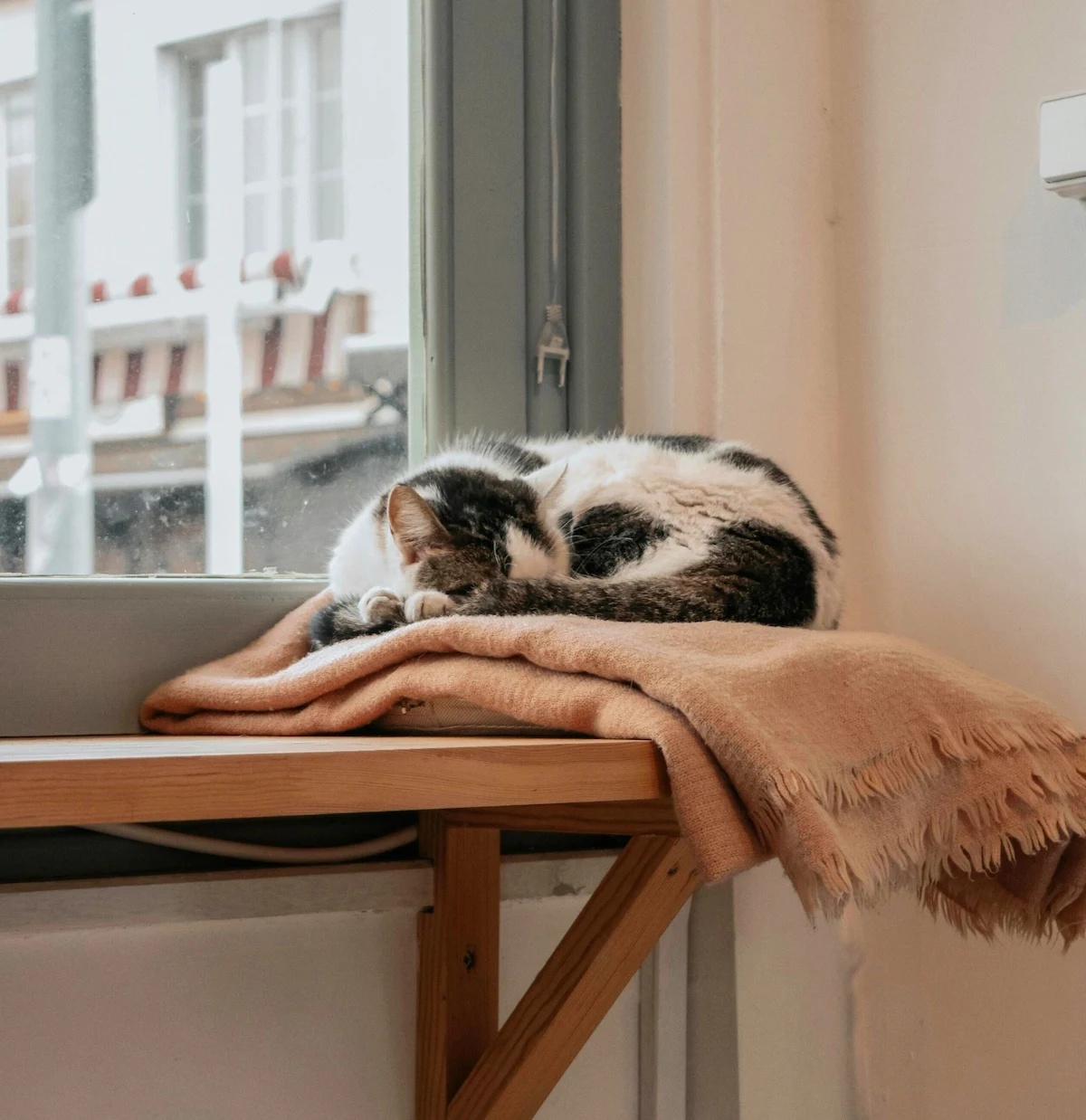
If your older cat keeps vomiting, it is natural to feel worried and unsure about what to do next. Cats can vomit occasionally, and a single episode does not always mean something serious is happening. But repeated vomiting in an older cat is worth paying attention to, especially if the pattern is new, becoming more frequent, or appears alongside changes in appetite, weight, drinking, toileting, energy, or behaviour.
This article will help you track what is happening, notice useful patterns, and understand when to seek advice from your vet. It does not diagnose the cause or suggest treatment at home.
Disclaimer: This article is for educational purposes only and is not a substitute for professional veterinary advice. If your cat is in pain, losing weight, vomiting frequently, or acting differently, speak to your vet.
Key takeaway: If your older cat keeps vomiting, write down when it happens, how often it happens, what comes up, and whether appetite, weight, drinking, toileting, energy, or behaviour have changed. Repeated vomiting in an older cat is worth discussing with your vet, especially if the pattern is new or increasing.
Older cat keeps vomiting: why the pattern matters
A single vomiting episode and a repeated vomiting pattern are not the same thing.
Some cats vomit occasionally and then seem completely normal afterwards. But if vomiting keeps happening, it becomes more useful to think in patterns: how often it happens, when it happens, what comes up, and whether anything else has changed.
This is especially worth noting in older cats. Age itself does not explain vomiting, and it is best not to dismiss repeated sickness as “just old age”. Older cats can have several changes happening at once, so vomiting may be one part of a bigger picture.
PDSA explains that vomiting in cats can have many possible causes, ranging from mild to serious, and advises owners to seek veterinary advice if a cat vomits more than once, seems unwell, or has other symptoms.
The aim is not to work out the cause yourself. The safer goal is to notice whether there is a pattern your vet should know about.
For a broader overview of senior cat vomiting, including one-off episodes, repeated vomiting, hairballs and red flags, see our Senior cat vomiting guide
For broader context on age-related health changes, you may also find Senior Cat Health: A Practical Guide for Older Cats useful.
What counts as “keeps vomiting”?
“Keeps vomiting” does not have to mean your cat is vomiting constantly. It can also mean the same problem keeps returning.
For example, it is worth paying closer attention if your older cat:
- vomits more than once in a short period
- vomits every few days
- vomits weekly or more often
- vomits shortly after eating
- vomits overnight or early in the morning
- brings up food, liquid, foam, or hair repeatedly
- seems fine afterwards but the pattern keeps coming back
- is vomiting more often than they used to
The question is not only “did my cat vomit?” It is also “is this becoming a pattern?”
Cornell Feline Health Center explains that frequent vomiting is assessed using a cat’s history, a physical examination, and sometimes further tests. This is why clear owner notes can be genuinely useful.
Vomiting, regurgitation, coughing or hairballs?
Owners often use the word “vomiting” for a few different things. You do not need to label it perfectly, but it helps to describe what you actually saw.
| What you notice | What to write down |
|---|---|
| Food comes back up soon after eating | How long after food, whether it looked mostly undigested, and whether your cat ate quickly |
| Retching before food or fluid appears | Time of day, number of episodes, and what came up |
| Hair appears in what came up | How often this happens and whether grooming or coat condition has changed |
| Coughing, gagging, or heaving but little appears | Whether it sounds like coughing and whether it happens at rest, after activity, or around meals |
A short video can help your vet understand what is happening, but only record one if it is easy and not stressful. Do not delay seeking advice just to collect more notes.
Hairballs can happen, especially in cats that groom heavily or have longer coats. But frequent “hairball-like” vomiting should still be mentioned to your vet, particularly if your older cat is also eating less, losing weight, hiding more, or grooming differently.
Vomiting patterns to track in an older cat
You do not need a complicated diary. A few simple notes can make the pattern much clearer.
Try to track:
- Date and time of each episode
- How many times your cat vomited
- Whether it happened before or after food
- How long after eating it happened
- What came up: food, liquid, foam, hair, or anything unusual
- Whether your cat wanted food afterwards
- Whether appetite was normal, reduced, or increased
- Whether drinking seemed more, less, or unchanged
- Any litter tray changes
- Energy level that day
- Hiding, restlessness, clinginess, or other behaviour changes
- Any weight or body shape changes
- Grooming or coat changes
- Any recent changes in food, treats, routine, medication, or stress at home
This is not about becoming anxious over every detail. It is about giving your vet a clearer picture if the vomiting keeps happening.
Other changes that make vomiting more important to mention
Vomiting matters more when it appears alongside other changes.
Speak to your vet if vomiting is paired with:
- eating less or refusing food
- weight loss or a thinner body shape
- drinking much more or much less
- diarrhoea or constipation
- weakness or low energy
- hiding or withdrawing
- a dull coat or reduced grooming
- bad breath, drooling, or possible mouth discomfort
- sudden behaviour changes
- restlessness, confusion, or increased vocalising
If appetite has changed too, you may also find Senior cat appetite changes: what’s common as cats age helpful.
If your cat looks thinner or is losing weight, read Senior Cat Weight Loss: Common Reasons and When to Speak to a Vet for more context.
If drinking has clearly changed as well, you may want to read Senior cat drinking more: possible reasons and when to mention it.
These related changes do not prove what is causing the vomiting, but they do make the overall pattern more important to discuss.
When to seek advice from your vet
It is sensible to speak to your vet if your older cat keeps vomiting, even if they sometimes seem normal afterwards.
Speak to your vet if
- the vomiting keeps happening
- the vomiting is new for your cat
- the pattern is becoming more frequent
- your cat is eating less
- your cat is losing weight
- drinking or toileting has changed
- grooming or coat condition has changed
- your cat seems quieter, weaker, or more withdrawn
- you are unsure whether it is vomiting, coughing, or regurgitation
PDSA advises seeking veterinary advice if a cat vomits more than once, seems unwell, or has other symptoms. It also recommends speaking to a vet straight away if vomiting continues for more than 24 hours, the cat cannot keep food or water down, the cat is very young or old, or there are other worrying signs.
Seek advice more urgently if
- vomiting continues repeatedly
- your cat cannot keep food or water down
- your cat seems very unwell
- there is blood or unusual dark material in the vomit
- your cat seems weak, collapsed, painful, or severely withdrawn
- you think your cat may have eaten something harmful
- vomiting appears alongside severe diarrhoea, pale gums, or marked lethargy
If you think your cat may have eaten something harmful, speak to your vet straight away. Do not try to make your cat vomit at home unless your vet specifically tells you to.
What to prepare before speaking to your vet
You do not need perfect notes. Even a short summary can help.
Before you speak to your vet, it may help to prepare:
- when the vomiting started
- how often it has happened
- whether it happens after meals
- what your cat currently eats
- whether food, treats, or routine have changed
- whether appetite has changed
- whether weight has changed
- whether drinking or litter tray habits have changed
- whether your cat has seemed tired, withdrawn, restless, or uncomfortable
- any medicines or supplements your cat is taking
- a photo or short video, if useful and easy to capture
Try to be specific without worrying about medical terms. “She vomited twice after breakfast on Monday and once overnight on Wednesday” is more useful than “she keeps being sick all the time”.
What not to do at home
When an older cat keeps vomiting, it can be tempting to try several things quickly. But repeated food changes, human medicines, or over-the-counter remedies can make the picture less clear and may be unsafe.
Avoid:
- giving human medication
- trying to make your cat vomit
- starting supplements or hairball remedies as a fix without veterinary advice
- making repeated food changes to “test” the cause
- withholding water
- ignoring repeated vomiting because your cat seems fine afterwards
This is especially important if your cat is older, eating less, losing weight, drinking differently, or acting out of character.
If your vet does suggest a food change, follow their guidance carefully and ask how quickly the change should be made.
Older cat vomiting tracking checklist
You can copy this simple checklist into a note on your phone.
Use these prompts as a simple starting point:
- Date and time:
- How many times did it happen?
- Before or after food?
- How long after eating?
- What came up?
- Any hair present?
- Appetite today:
- Drinking more, less, or normal?
- Litter tray changes:
- Energy level:
- Hiding or behaviour changes:
- Weight or body shape changes:
- Food, treat, routine, or medication changes:
- Anything unusual your cat may have eaten:
- Questions for the vet:
You do not need to fill in every line every time. The goal is to spot patterns and give your vet practical information.
FAQs about an older cat vomiting
Is it normal for an older cat to vomit regularly?
Occasional vomiting can happen, but regular or repeated vomiting should not be treated as normal ageing. If your older cat keeps vomiting, track the pattern and speak to your vet, especially if the vomiting is new, increasing, or linked with other changes.
Why does my older cat vomit after eating?
Timing after meals is useful to note, but it does not confirm the cause by itself. Write down how soon after eating it happens, what comes up, whether your cat eats quickly, and whether appetite, weight, drinking, or behaviour has changed.
Could it just be hairballs?
It could involve hair, but it is best not to assume every vomiting episode is “just hairballs”. Mention frequent hairball-like vomiting to your vet, especially if grooming, appetite, weight, or behaviour has changed.
Should I change my older cat’s food if they keep vomiting?
Do not make repeated food changes without veterinary guidance, especially if vomiting is ongoing or your cat is losing weight, eating less, or acting differently. Your vet may want to understand the pattern before advising on diet.
When should I speak to my vet about an older cat vomiting?
Speak to your vet if vomiting keeps happening, is new, is becoming more frequent, or appears with changes in appetite, weight, drinking, toileting, energy, grooming, or behaviour. Seek advice sooner if your cat seems very unwell, cannot keep food or water down, or you think they may have eaten something harmful.
Final thoughts
If your older cat keeps vomiting, the safest response is not to panic and not to ignore it. A one-off episode may pass, but a repeated pattern is worth tracking.
Write down when it happens, what comes up, and whether anything else has changed. These simple observations can help your vet understand the bigger picture and decide what, if anything, needs checking.
Repeated vomiting in an older cat is not something to dismiss as “just age”. Calm tracking and timely advice are the best next steps.