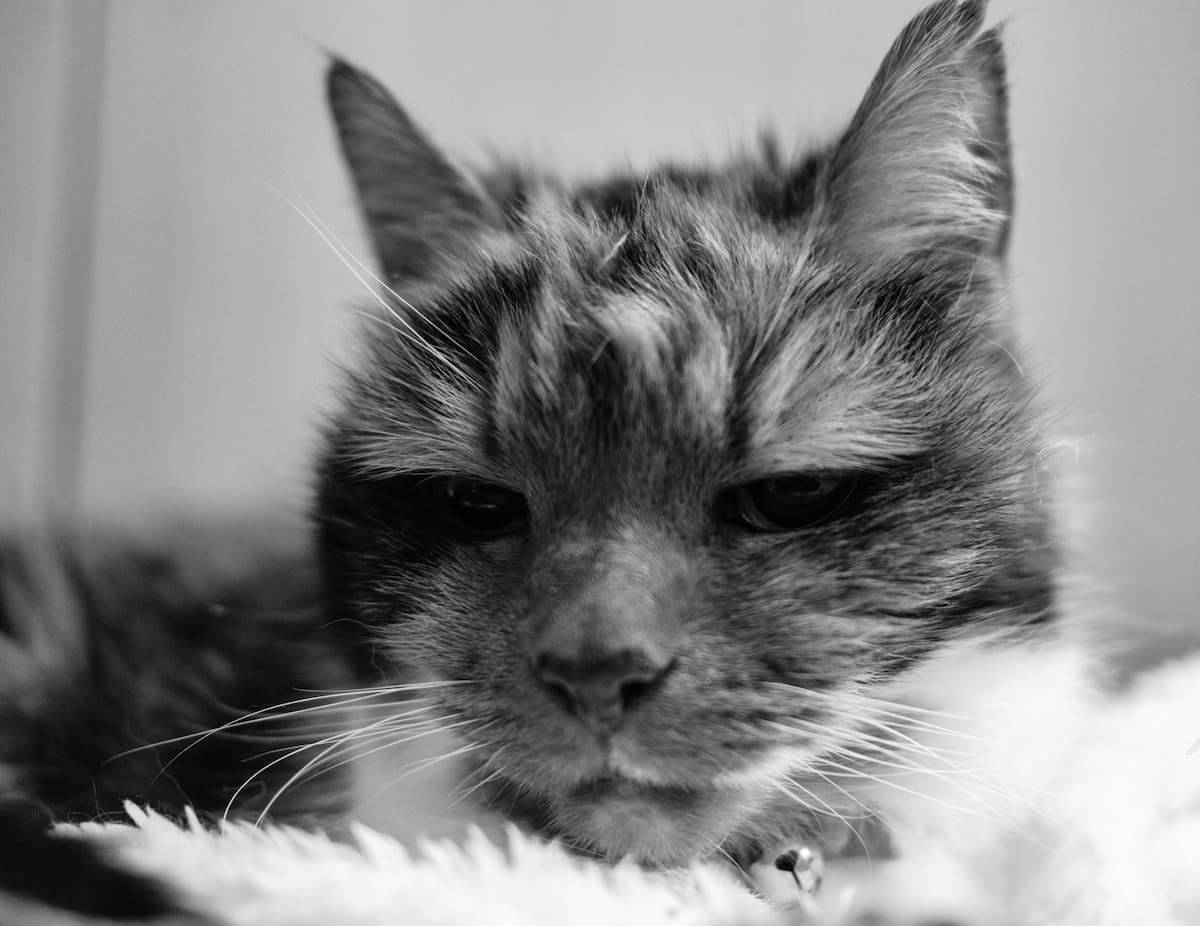
Senior cat cloudy eyes can be worrying to notice, especially if the change seems new or more obvious than before. Sometimes the cloudiness is gradual and easy to second-guess at first. In other cases, it seems to appear more suddenly and feels hard to ignore. The reassuring part is that cloudy eyes do not always mean the same thing. The important part is that a new or changing eye appearance in a senior cat is worth noticing, rather than brushing off as “just old age.”
Disclaimer: This article is for educational purposes only and is not a substitute for veterinary advice. If your cat seems painful, distressed, suddenly unwell, or appears to be losing vision, speak to your vet promptly.
Key takeaway: Cloudy eyes in a senior cat can sometimes be linked to age-related changes, but they can also happen with eye problems that need veterinary attention. Pay particular attention if the change is sudden or worsening, or if you also notice redness, discharge, squinting, rubbing, apparent discomfort or signs that your cat may be seeing less well.
Quick answer: do cats’ eyes get cloudy as they age?
Some older cats can develop age-related changes that make the eyes look slightly hazy, especially in certain light. But cloudy, milky, red, painful, one-sided, or suddenly changing eyes should not be assumed to be normal ageing.
If the cloudiness is new, getting worse, or your cat seems to see less well, speak to your vet. Redness, discharge, squinting, rubbing or apparent discomfort are also reasons to seek veterinary advice promptly.
For broader context on age-related health changes, you may also find our Senior Cat Health: A Practical Guide for Older Cats helpful.
What to notice first
You do not need to work out what is causing the cloudiness yourself. A few simple observations can make it easier to describe the change clearly to your vet.
- One eye or both? Note whether the cloudiness affects one eye, both eyes, or one more noticeably than the other.
- Sudden or gradual? Think about when you first noticed it and whether the appearance seems to have changed quickly or slowly.
- Anything else happening around the eye? Look for redness, discharge, swelling, squinting, keeping the eye partly closed or rubbing at the eye.
- Has your cat’s behaviour changed? Notice whether they seem less agile, bump into familiar objects, have difficulty finding familiar resources, or become unusually cautious on stairs or in unfamiliar places.
These observations cannot tell you the cause, but they can give your vet a clearer picture of what has changed.
Cloudy eyes in an older cat can have more than one explanation
“Cloudy eyes” is a description, not a diagnosis. It simply means the eye no longer looks as clear as it usually does. In some older cats, that change may be linked to age-related changes inside the eye. In others, it can happen with inflammation, surface damage, pressure problems, or other eye disease. That is why the pattern matters so much: what the cloudiness looks like, whether one eye or both are affected, and whether there are other changes alongside it.
A useful mindset is this: notice it, do not panic, but do not ignore it either. Cornell advises owners to routinely check their cat’s eyes and have unusual changes examined by a vet.
What do cloudy eyes look like in a senior cat?
Owners often use “cloudy” to describe several different things. That is normal. You do not need to identify the cause yourself, but it helps to notice what you are actually seeing.
A blue-grey haze
Sometimes the eye seems to have a faint blue-grey or smoky look, especially when the light catches it. Owners may notice this gradually over time. In an older cat, a change like this can sometimes be age-related, but it is still sensible to mention it to your vet, especially if it seems to be increasing or your cat’s behaviour is changing too.
A white or milky look
Some eyes look more white, milky, or opaque rather than lightly hazy. That sort of change often feels more obvious to owners. It does not tell you the cause on its own, but it is less reassuring than a very subtle change that has stayed the same for a long time.
Can cloudy eyes be a normal ageing change?
Sometimes, possibly. Some older cats do develop age-related changes in the lens that can make the eye look less crystal clear than it once did. But “possible with age” is not the same thing as “safe to assume.” That is the key distinction to keep in mind.
What makes owners uneasy is that age-related change and eye disease can both look like “cloudiness” at home. So while ageing may be part of the picture in some senior cats, it should not be the end of the conversation if:
- the change is new
- it seems to be getting worse
- your cat seems uncomfortable
- your cat may be seeing less well
That is why a calm vet check is often the most sensible next step rather than trying to guess.
If you want a broader overview of how ageing can affect cats over time, you may also find How long do cats live? Average lifespan explained (and what changes with age) helpful.
What can cloudy eyes in cats sometimes mean?
This section is not here to help you diagnose your cat at home. It is here to explain why cloudy eyes deserve attention.
Age-related lens changes
One possibility in older cats is a change inside the lens that can make the eye look hazier with age. Owners may first notice this in certain light or at close range. It may not come with obvious pain. Even so, it is still worth mentioning at a routine or earlier appointment if the appearance is new to you.
Cataracts
Cataracts are one possible reason an eye may look cloudy. Cornell’s guide to feline cataracts explains that cataracts affect the normally transparent lens and can interfere with vision. Behavioural clues of reduced vision can include becoming less agile, bumping into familiar furniture, or seeming hesitant in less familiar spaces.
Inflammation or pressure-related problems
Cloudiness can also happen with inflammation inside the eye or with pressure-related disease such as glaucoma. These are not things to identify by eye alone at home, but they matter because they may affect comfort and vision. Cornell notes that glaucoma can lead to partial or total blindness if it progresses untreated.
Surface problems, irritation, or injury
Sometimes the cloudy appearance is more on the surface of the eye rather than deeper inside it. Cornell notes that corneal ulcers can cause clouding of the cornea, discharge, squinting, rubbing, and apparent sensitivity to light. Surface injuries or irritation may also make one eye suddenly look different.
Other eye disease
There are several other eye conditions that can change how an eye looks. The main point for an owner is not to memorise a list of diseases. It is to recognise that cloudy eyes are a sign worth checking, especially in an older cat.
Signs to notice alongside cloudy eyes
Cloudiness on its own tells only part of the story. These extra signs make the picture more useful.
Redness
A red-looking eye is less reassuring than cloudiness alone. Redness can point to irritation, inflammation, or another active eye problem.
Discharge
Watery, sticky, or thicker discharge matters. International Cat Care includes discharge, swelling, inflammation, cloudy eyes, squinting, and rubbing among signs that can go with eye infection or eye problems.
If the issue is discharge rather than cloudiness, our guide to senior cat eye discharge explains what owners commonly notice and when to book a check.
Squinting or keeping the eye partly closed
A cat that is squinting, blinking more than usual, or not opening one eye fully may be uncomfortable. That deserves attention sooner than a stable-looking eye change with no other signs.
Pawing at the eye or seeming uncomfortable
Rubbing at the eye, pawing at the face, pulling away from light, or seeming unusually bothered all make the change more concerning.
Bumping into things or hesitating before jumps
Behaviour changes can be one of the clearest clues that vision is being affected. Cornell notes that cats with failing vision may become less agile, bump into familiar furniture, have difficulty finding things, or become cautious about stairs and unfamiliar places.
Senior cat cloudy eyes: when to speak to your vet
Speak to your vet if the cloudiness is new, worsening or seems to have appeared suddenly, particularly if it comes with redness, discharge, squinting, rubbing or obvious discomfort.
Prompt veterinary advice is also sensible if your cat seems to be seeing less well, becomes unusually cautious, starts bumping into things or has difficulty navigating familiar areas.
Even if the change has developed gradually, do not assume it is simply part of ageing. Note whether one or both eyes are affected and mention that when you speak to your vet.
Final thought
Cloudy eyes in a senior cat can have more than one explanation, and age alone does not tell you whether a change is harmless.
If you notice a new or changing cloudy appearance, especially alongside discomfort or possible vision changes, speak to your vet rather than trying to identify the cause at home.
FAQs
Can cloudy eyes in a senior cat be normal?
Sometimes age-related changes can make an older cat’s eyes look less clear, but it is still worth mentioning a new or changing cloudy appearance to your vet rather than assuming it is harmless.
Is a cloudy eye in a cat an emergency?
Cloudy eyes should not be ignored. Contact your vet if you notice a new cloudy appearance. If the change seems sudden, the eye looks painful or is being held closed, or your cat appears to have suddenly lost vision, seek veterinary advice urgently. Redness, discharge, squinting or rubbing are also reasons to have the eye checked promptly.