If you’re wondering “how long do cats live?”, the most honest answer is: it varies — but there are helpful, reassuring patterns.
Many pet cats live well into their teens, and some reach their early 20s. Averages can provide useful context, but they can’t predict an individual cat’s lifespan, because lifestyle, environment, and health history all play a part.
So when people ask how long do cats live, it helps to think in broad ranges rather than one fixed number.
If you’re here because your cat is already older, you may also find this helpful: Senior Cat Lifespan: How Long Older Cats Live.
Disclaimer: This article is for general education only and isn’t a substitute for veterinary advice. If your cat has a sudden change in appetite, weight, behaviour, or comfort, speak to your vet.
Key takeaway: Lifespan is best understood as a range, not a promise.
Quick answer: how long do cats live?
So, how long do cats live in general?
- Many pet cats live somewhere in the early-to-mid teens.
- Some live longer — into their late teens or early 20s.
- Lifestyle matters: indoor cats often live longer on average than cats who roam outdoors.
That’s not a prediction for your cat — it’s simply the “typical picture” most owners can use as a calm reference point.
Average cat lifespan (and what “average” really means)
When you see an “average lifespan” quoted, it can feel comforting — or worrying — depending on where your cat is today. But it helps to understand what an average is.
An average lifespan is a single number created from many different cats with very different lives: indoor cats, outdoor cats, kittens, seniors, cats with known medical issues, and cats who face higher day-to-day risks. It’s a useful benchmark, but it isn’t a countdown.
If you’d like a simple way to put your cat’s age into context, our Cat age chart (cat years to human years) can help you picture life stage. For more context on very advanced ages, our guide to the percentage of cats that live to 20 explains why 20 is possible but uncommon.
A UK data point (for context)
A large UK study using primary-care veterinary records (VetCompass) estimated life expectancy at age 0 (birth) at about 11.7 years for UK companion cats overall. This is a useful benchmark, but it’s still an average — some cats live much longer, especially with good routine care, a safe environment, and early support when changes appear.
That doesn’t mean a cat “should” live to 11.7 years — it simply describes a broad national picture. Many cats live longer than that average, particularly in low-risk environments with consistent care.
How long do indoor cats live vs outdoor cats?
A common follow-up question is: how long do indoor cats live, compared with outdoor cats?
In general, indoor cats often live longer on average because they tend to face fewer daily hazards. Cats who roam freely outdoors can have increased exposure to:
- road traffic
- conflict with other animals
- infectious diseases from contact with unknown cats
- environmental risks (poisons, injuries, getting trapped)
This isn’t a judgement on outdoor access — it’s just an explanation of why lifespan ranges can look different. Outdoor lifestyles also vary a lot: a cat who has supervised garden time or a secure cat-proofed area is in a different situation from a cat who roams widely in a high-traffic neighbourhood.
If you’re comparing indoor vs outdoor lifespan, it’s usually more helpful to think in terms of risk exposure than a fixed number of “years gained or lost”.
For a deeper look at this topic, you may also find our guide How Long Can an Indoor Cat Live? helpful.
What affects how long a cat lives?
No single factor determines how long a cat will live. Genetics, lifestyle, environment, body condition, routine care and individual health history can all influence longevity over time.
That is why lifespan averages are useful for context but cannot predict what will happen with one particular cat. For a closer look at these influences, see our Cat Life Expectancy Factors guide.
What changes as cats age (what owners commonly notice)
Ageing doesn’t look the same in every cat — and many cats remain bright and content well into later life. Still, there are some common, non-scary changes owners often notice over time:
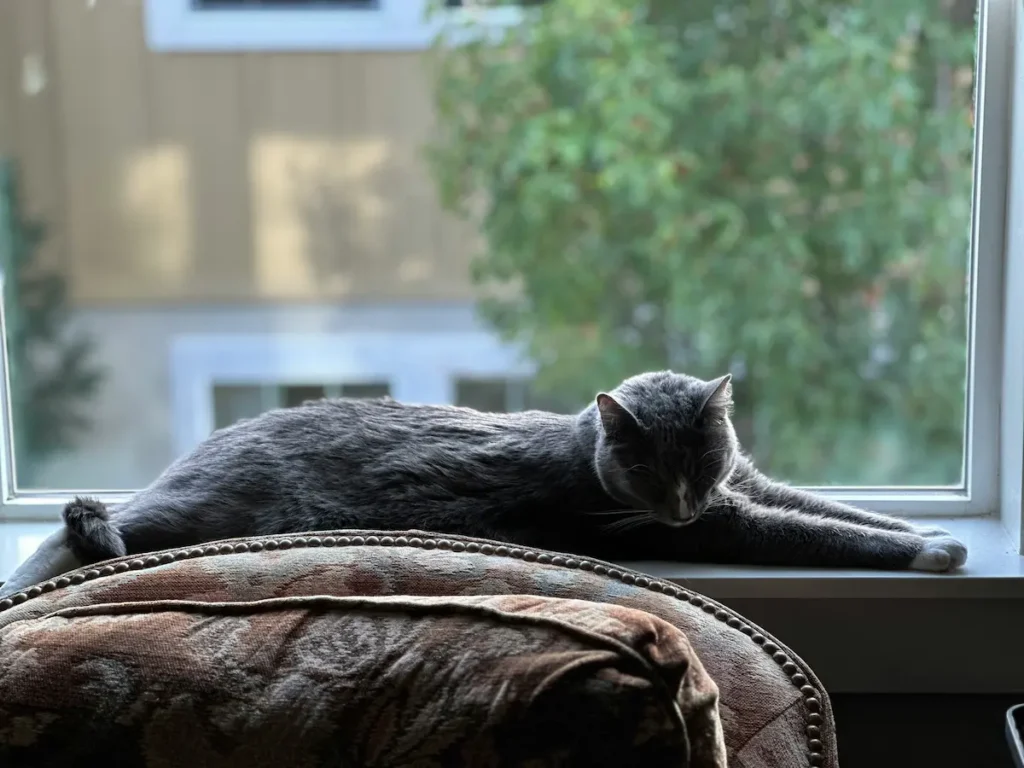
- More sleep, different energy patterns: Your cat may nap more or be less “burst active” than they were as a younger adult.
- Less jumping or more hesitation: You might notice they choose lower routes, pause before jumping, or prefer easier access to favourite spots.
- Coat and grooming differences: Some cats groom less thoroughly, or their coat looks a bit less sleek.
- Small behaviour shifts: Seeking warmer places, preferring quieter rooms, or becoming more routine-focused can be normal.
- Appetite changes: Some cats become fussier; others seem hungrier. The key is whether a change is new and persistent.
A useful rule of thumb: new, persistent, or worsening changes are worth mentioning to your vet, especially in older cats — not because it’s automatically serious, but because cats are good at masking discomfort and subtle changes can be meaningful.
For a calm, practical guide to changes that are worth discussing (without self-diagnosing), see: Senior Cat Health: A Practical Guide for Older Cats.
FAQs
What’s the average cat lifespan?
Averages vary by country and by study, because they include cats with many different lifestyles. A large UK study using primary-care veterinary records (VetCompass) estimated life expectancy at age 0 (birth) at about 11.7 years for UK companion cats overall — but many cats live longer, especially in lower-risk environments.
Can cats live to 20?
Yes — some cats do reach 20 or older, but it is not something every owner should expect. It depends on many factors, including environment, risk exposure, genetics, and individual health history.
Do indoor cats live longer than outdoor cats?
Often, yes — on average. Indoor cats tend to face fewer daily hazards, while roaming outdoors can increase risk exposure. That said, outdoor lifestyles vary widely, and a cat’s individual situation matters.
When is a cat considered senior?
Many frameworks place “senior” somewhere around 11–14, with 15+ often considered super-senior/geriatric — but definitions vary slightly between organisations. For a clear explanation (and why the labels exist), see: What Age Is a Cat Considered Senior?
How can I tell if my cat is ageing normally?
Ageing can involve gradual changes in energy, mobility confidence, grooming, appetite, and behaviour — and many of these can be part of normal ageing. The key is whether a change is new, persistent, or worsening. If you’re unsure, it’s sensible to mention it at your next vet visit. This may help you decide what to raise: Senior Cat Health: A Practical Guide for Older Cats.
External references
Cats Protection — How long do pet cats live?
RVC VetCompass — New research from the RVC predicts the future life expectancy for companion cats