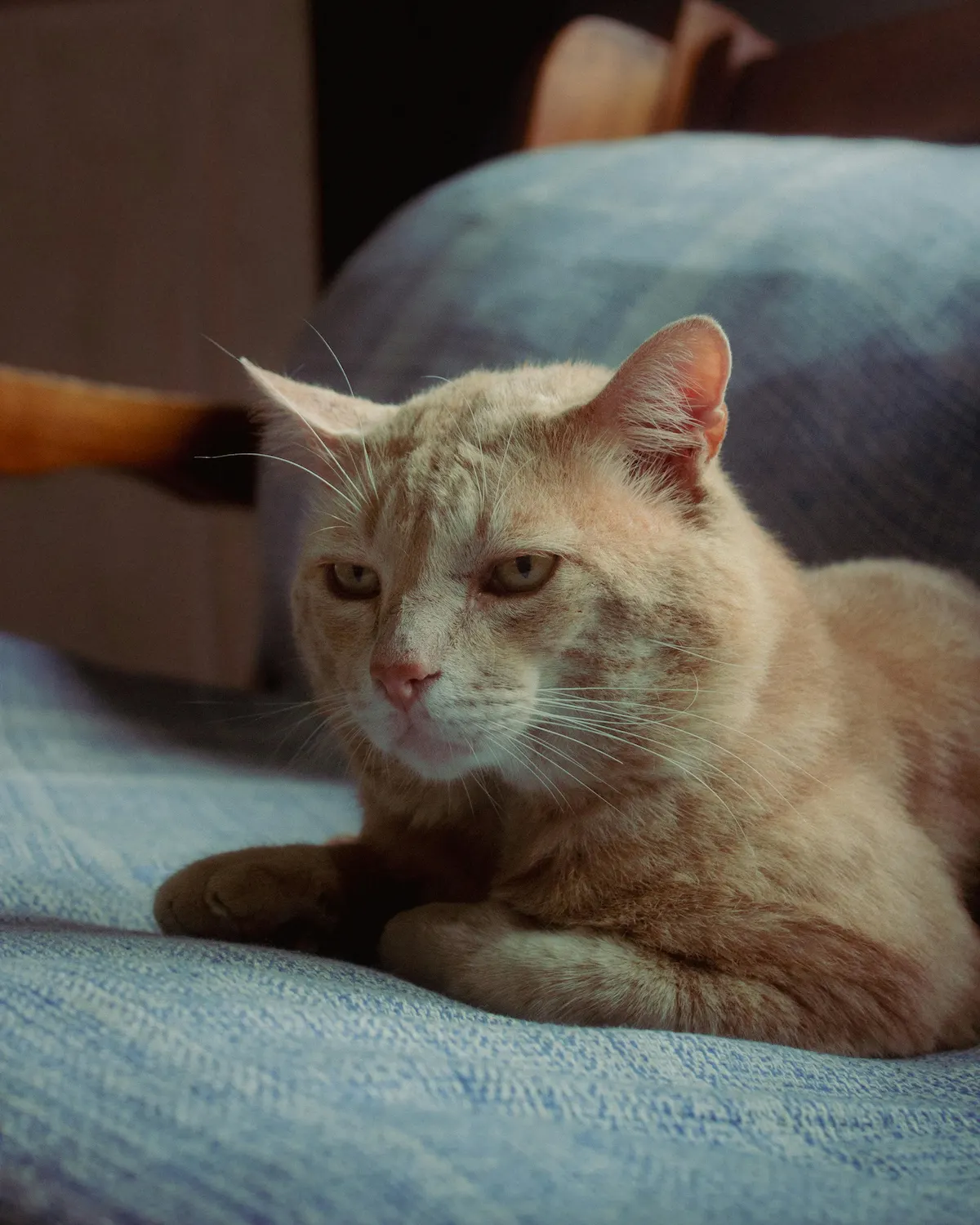
Senior cat sneezing can be easy to shrug off at first, especially if it only happens once or twice. Sometimes it really is a brief irritation. But when sneezing keeps happening, it is more useful to look at the wider picture rather than the sneeze on its own. In an older cat, that matters more when the change is new or comes with other signs such as discharge, lower appetite, or lower energy. Cats Protection advises speaking to a vet when sneezing is persistent or comes with thick or bloody discharge.
Disclaimer: This article is for educational purposes only and is not a substitute for veterinary advice. If your cat’s sneezing is frequent, comes with discharge, appetite changes, breathing changes, or a clear change in behaviour, speak to your vet.
Key takeaway: One odd sneeze can be minor. Repeated sneezing, especially with nasal or eye discharge, eating changes, tiredness, or breathing changes, is more worth mentioning in a senior cat.
Quick answer: senior cat sneezing
A senior cat may sneeze because of mild irritation, dust, scent, nasal discharge, dental or mouth discomfort, or another health change. An occasional sneeze may not mean much on its own, but the pattern matters.
If the sneezing is new, frequent, getting worse, one-sided, or appears with a runny nose, eye discharge, noisy breathing, appetite changes, low energy, or your cat seeming unwell, speak to your vet.
Senior cat sneezing can be minor, but the wider picture matters
A single sneeze does not usually tell you very much. Cats can sneeze because of a small irritation in the nose, just as people can. Cats Protection notes that the occasional sneeze is often nothing to worry about and may simply happen because something has irritated the inside of the nose.
What matters more is the wider picture:
- is it happening once, or again and again?
- has it started recently?
- is your cat otherwise completely normal?
- is there anything else going on at the same time?
That last point is often the most useful. Sneezing is a sign, not a diagnosis. In older cats, the question is usually not “is sneezing normal with age?” so much as “what else has changed alongside it?”
Common reasons an older cat may sneeze
Mild irritation in the air
Sometimes the cause is simple. Dust, smoke, sprays, perfume, or strong cleaning products can irritate the nose and trigger sneezing. Cats Protection includes dust, smoke, and strong-smelling substances among common irritants that can make cats sneeze.
This type of sneezing is often:
- brief
- not paired with obvious illness
- more likely after exposure to something strong-smelling or dusty
That said, if the sneezing keeps happening, it is less useful to assume it is “just dust” and more useful to look at the wider picture.
Upper respiratory infection or cat flu
One common reason for repeated sneezing is an upper respiratory infection, sometimes described as cat flu. Cornell says symptoms of upper respiratory tract infections can include clear or coloured discharge from the eyes or nose, coughing, sneezing, conjunctivitis, lethargy, and anorexia, with trouble breathing in rare cases.
This sort of picture may look like:
- repeated sneezing over a day or two
- watery or thicker discharge from the nose or eyes
- sleeping more than usual
- seeming flat or less interested in food
In a senior cat, reduced appetite matters more than it may seem at first, because smell can affect interest in food. Cornell specifically notes anorexia and lethargy among common signs seen alongside sneezing in upper respiratory infections.
Ongoing nasal irritation or inflammation
Some cats have a more on-and-off pattern. Rather than one short spell, the sneezing seems to flare up from time to time.
Owners may notice:
- intermittent sneezing
- a snuffly sound
- mild ongoing congestion
- good days and worse days
This kind of longer-running change is worth mentioning rather than guessing at, especially in an older cat where small changes can add up.
Dental problems that sit near the nasal area
Mouth and dental problems can sometimes be part of the picture, especially if sneezing appears alongside other signs rather than on its own. Cats Protection includes dental disease among the possible causes of sneezing in cats.
You might notice:
- bad breath
- chewing more slowly
- dropping food
- less interest in hard food
- drooling
- discomfort around the mouth
That does not mean sneezing automatically points to a dental problem. It just means the nose and mouth do not always exist as separate clues. Because dental problems become more common with age, this is one of the reasons sneezing in an older cat is worth looking at in context rather than in isolation.
Something stuck in the nose or a more local nasal problem
A sudden burst of repeated sneezing can sometimes happen when something irritates the nose more directly. Cats Protection notes that sudden bouts of sneezing can be caused by something stuck in the nose or throat, with blades of grass named as one common example.
Patterns that feel more notable include:
- sneezing that starts suddenly and keeps coming
- face rubbing
- noisy breathing
- discharge from one nostril rather than both
- obvious distress
This is one of the situations where the overall change matters more than the word “sneezing” on its own.
When it’s worth mentioning to your vet
It is sensible to speak to your vet when sneezing is not just a one-off and especially when it is part of a bigger change.
That includes:
- sneezing that keeps happening for more than a couple of days
- sneezing that seems to be getting more frequent
- thick yellow, green, brown, or bloody discharge
- discharge from one side only
- runny or sore-looking eyes
- lower appetite
- seeming quiet, tired, or withdrawn
- weight loss
- noisy breathing
- breathing effort or breathing with the mouth open
- obvious discomfort
Cats Protection specifically advises speaking to a vet when sneezing is regular for more than a couple of days, or when it comes with thick or bloody discharge. Cornell also notes that poor appetite, lethargy, and trouble breathing can appear alongside respiratory infection signs.
If you are noticing several changes at once, you may also find our guide to Senior Cat Health: A Practical Guide for Older Cats useful.
What owners can do while they monitor
While you are keeping an eye on it, the most useful approach is simple observation.
You can:
- note how often the sneezing is happening
- notice whether any discharge is clear, coloured, bloody, or one-sided
- watch appetite, energy, and breathing
- reduce obvious airborne irritants where possible
- keep food, water, and resting spots easy to access
What helps most is keeping a simple note of what you are seeing, rather than trying to work out the cause on your own.
If sneezing is happening alongside nasal discharge, our Senior cat runny nose guide explains what to notice and when to speak to your vet.
The bottom line
Senior cat sneezing is sometimes mild, especially if it is brief and isolated. But repeated sneezing is more useful to think of as a clue than a harmless quirk of age.
The most helpful question is not just “is my cat sneezing?” It is “what else is happening alongside it?”
If the sneezing keeps happening, looks more intense, or appears with discharge, lower appetite, tiredness, weight loss, or breathing changes, it is worth mentioning to your vet.
If sneezing is happening alongside bad breath, drooling, or eating changes, you may also find our guide to Senior cat bad breath: common reasons and when to speak to your vet helpful.
FAQs
Is occasional sneezing normal in a senior cat?
An occasional sneeze can sometimes happen because of mild irritation. It becomes more worth paying attention to when it keeps happening or appears alongside discharge, appetite changes, tiredness or breathing changes.
Why is my older cat sneezing a lot all of a sudden?
Sudden repeated sneezing can happen with irritation, infection or a more local nasal problem. Look at the wider pattern, including discharge, appetite, breathing and whether your cat seems distressed. If the sneezing continues or appears alongside other changes, speak to your vet.
Should I worry if my senior cat is sneezing with a runny nose?
It is more worth mentioning when sneezing comes with nasal discharge, especially if the discharge is thick, coloured, bloody, or only from one side. Cornell lists clear or coloured eye or nose discharge among common signs that can appear alongside sneezing in upper respiratory infections.
Can dental problems cause sneezing in older cats?
They can sometimes be part of the picture, especially when sneezing appears alongside bad breath, eating changes, drooling, or obvious mouth discomfort. Cats Protection includes dental disease as one possible cause of sneezing in cats.
When should I speak to my vet about sneezing in an older cat?
It is sensible to speak to your vet when the sneezing keeps happening, is getting worse, or comes with discharge, lower appetite, tiredness, weight loss, or breathing changes. Cats Protection advises this when sneezing lasts more than a couple of days or comes with thick or bloody discharge, and Cornell notes that lethargy, anorexia, and breathing trouble can appear alongside respiratory signs.