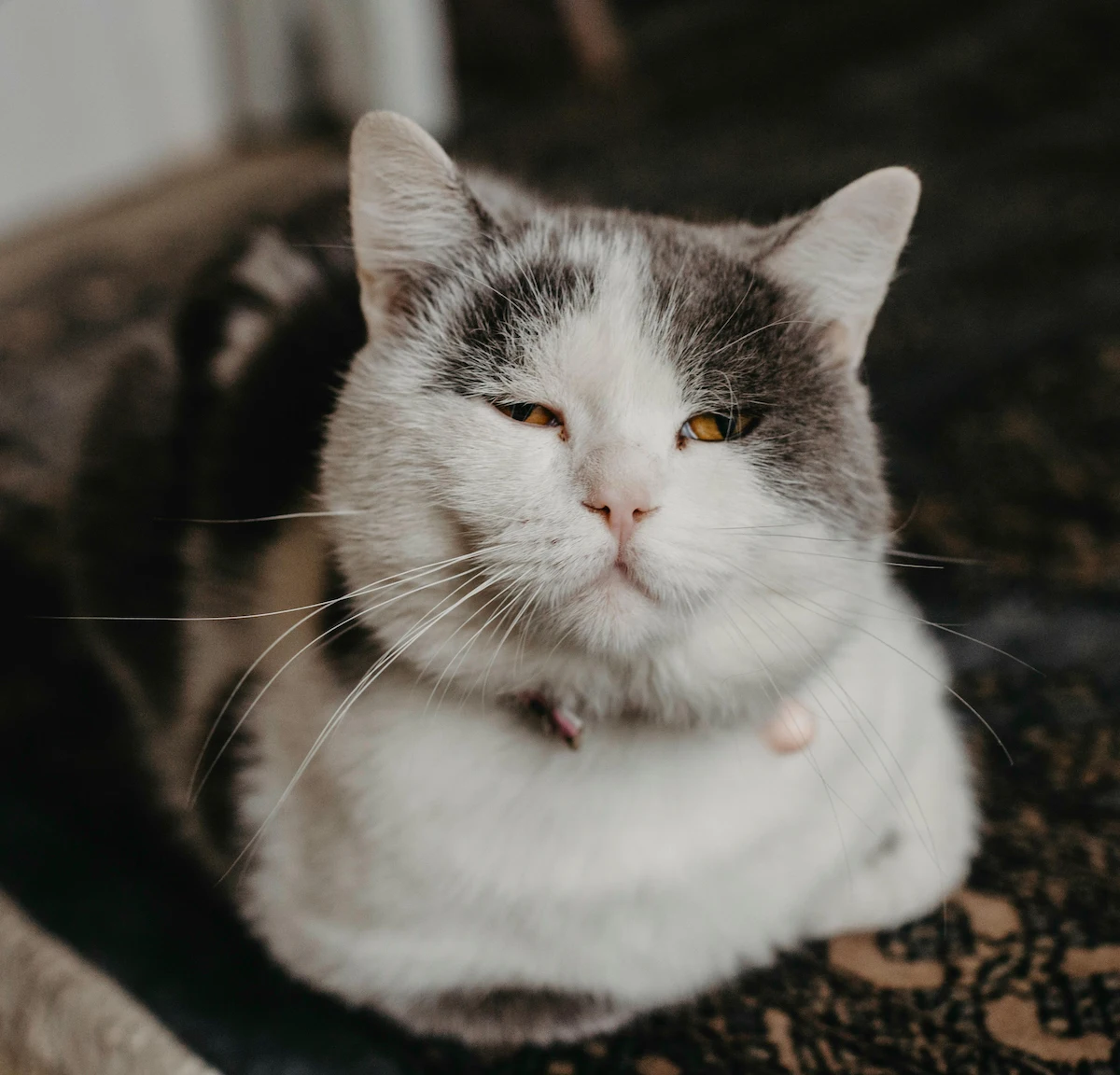
Senior cat toileting changes can be worrying when they appear for the first time. Your cat may start using the litter tray more often, missing the tray, toileting indoors, or seeming less settled around their usual routine.
Some changes are common with age, especially if your cat is stiffer, slower, less confident outdoors, or finding the litter tray harder to use. But toileting changes should not be dismissed as “just old age”, especially if they are sudden, painful, repeated, or happening alongside other signs.
Disclaimer: This article is for educational purposes only and is not a substitute for professional veterinary advice. If your cat is in pain, losing weight, vomiting frequently, toileting differently, or acting unlike themselves, speak to your vet.
Key takeaway: Senior cat toileting changes can be common with age, especially if your cat is less mobile, less confident outdoors, or finding the litter tray harder to use. But sudden, painful, repeated, or unexplained changes should not be dismissed as “just old age” and are worth discussing with your vet.
Are toileting changes common in senior cats?
Toileting habits can change as cats get older. A senior cat may need easier access to their litter tray, may be less willing to go outside, or may become more sensitive to small changes in the home.
This does not mean every toileting change is harmless. It simply means there are several age-related reasons why an older cat’s routine may shift.
The safest approach is to look at the pattern, check whether the tray setup still suits your cat, and speak to your vet if the change is new, repeated, or unusual.
For a wider look at age-related changes, you may also find Senior Cat Health: A Practical Guide for Older Cats helpful.
If you are not sure which issue fits your cat best, the guide below can help you choose the most useful next article.
Senior cat toileting changes at a glance
Different toileting changes can point owners in different directions. Some are mainly about litter tray access, comfort or routine. Others, especially straining, blood, repeated tray visits or drinking changes, are worth taking more seriously and discussing with your vet.
| What you may notice | Why it matters | Helpful next guide |
|---|---|---|
| Missing the tray or toileting nearby | The tray may be hard to access, or there may be urgency, stress or discomfort | Senior cat peeing outside the litter tray |
| Repeated tray visits or straining | This should not be treated as normal ageing | Senior cat straining to pee |
| Blood in urine | Blood should always be taken seriously and discussed with your vet | Senior cat peeing blood |
| Pooing less often or seeming unsettled in the tray | Constipation and litter tray strain can look similar | Senior Cat Constipation and Litter Tray Strain |
| Drinking or peeing more than usual | Drinking and urination changes are worth tracking | Senior cat drinking more |
| Drinking less than usual | Lower fluid intake can be harder to notice in older cats | Senior Cat Not Drinking |
| Dirty fur after toileting | Some older cats need gentle hygiene support | senior cat toileting hygiene |
| The tray seems difficult to use | Tray height, size and location can matter more with age | Best litter box for senior cats |
Common senior cat toileting changes owners may notice
Using the litter tray more often
Some owners first notice a change because the tray needs cleaning more often than usual. You may see more urine clumps, more frequent visits, or your cat spending more time near the tray.
This is something to track rather than guess at. More frequent toileting can have several possible causes, and your vet is the right person to help check whether there is an underlying health issue.
What to note:
- whether your cat is peeing, pooing, or both
- whether the amount looks more, less, or about the same
- whether your cat seems comfortable
- whether thirst, appetite, weight, or behaviour has changed too
If your cat is using the tray more often and also seems thirstier than usual, our guide to senior cats drinking more may help you know what to track before speaking to your vet.
Toileting less often than usual
Some older cats may seem to poo less often, spend longer in the tray, or appear unsettled before passing stools. This may be linked to routine, comfort, hydration, reduced movement, or other health factors.
Do not force changes or try home remedies without veterinary guidance. Instead, keep a note of what you are seeing and whether it is becoming a pattern.
For a more specific guide, see Senior Cat Constipation and Litter Tray Strain: Constipation vs Hairballs.
Missing the tray or toileting nearby
Some senior cats get to the tray but do not quite manage to toilet inside it. This can look like laziness or bad behaviour, but it is often more complicated than that.
Possible practical reasons include:
- the tray sides are too high
- the tray is too small
- the floor around the tray is slippery
- your cat feels rushed or uncomfortable
- your cat is stiff when stepping in or turning around
- the tray is too far away from their usual resting place
If your cat is peeing outside the tray, this guide may help: Senior cat peeing outside the litter tray: what to check and when to speak to your vet.
If your cat reaches the tray but often misses the edge or toilets just beside it, you may also find Senior Cat Missing the Litter Tray useful.
Toileting indoors more often
A cat who used to toilet outdoors may begin using indoor spaces more often as they age. This can happen if your cat is less confident outside, less comfortable in cold or wet weather, or less willing to deal with other cats in the neighbourhood.
For some senior cats, an indoor litter tray is not a step backwards. It is a practical support.
If toileting changes are also leaving fur or skin dirty, our guide to senior cat toileting hygiene may help with gentle clean-up and comfort support.
International Cat Care notes that older cats may benefit from accessible litter trays, especially when they are very senior or have cognitive changes, and that litter tray access can also help owners monitor urine and faeces.
Hesitating before using the tray
If your cat stands near the tray, sniffs it, walks away, or seems unsure, try to look at the setup from your cat’s point of view.
Ask yourself:
- Is the tray easy to step into?
- Is it in a quiet place?
- Is the floor stable?
- Is the tray clean?
- Has the litter type changed?
- Does your cat have to climb stairs to reach it?
- Could another pet be blocking access?
Hesitation does not tell you the cause on its own, but it is a useful clue.
Why ageing can affect litter tray habits
Stiffness and reduced mobility
Older cats may become less flexible and less willing to climb, jump, or step over high edges. A litter tray that worked well for years may become harder to use as your cat ages.
Cornell Feline Health Center notes that painful arthritis can make it difficult for cats to access a litter tray, especially if stairs are involved or the cat has to climb into the box.
This is why small setup changes can make a real difference.
Less confidence outdoors
Some senior cats become more cautious outside. They may avoid bad weather, noisy areas, neighbourhood cats, or long trips through the garden.
If your cat has always toileted outdoors, it may still be worth offering an indoor tray as they get older. This gives them a safe option and helps you notice changes more easily.
Changes in routine or household stress
Senior cats often cope best with predictable routines. Toileting habits may change after:
- moving the tray
- changing the litter
- decorating or building work
- a new pet
- visitors staying
- a change in cleaning products
- another cat using the same tray area
These changes may seem minor to us, but they can matter to an older cat.
Age-related health changes
Toileting changes can also be linked with health changes. These may include drinking more, peeing more, constipation, discomfort, pain, urinary problems, or cognitive changes.
This does not mean you need to diagnose the cause yourself. The safest approach is to notice the pattern, make sensible access changes where appropriate, and speak to your vet if the change is new, persistent, painful, or unusual for your cat.
If drinking or urination has changed as well, it is worth tracking what has changed, how often it is happening, and whether appetite, weight or behaviour has changed too.
If drinking more, weight loss or urination changes appear together, our guide to senior cat kidney disease early signs may help you understand what to notice before speaking to your vet.
Simple litter tray changes that may help older cats
Small adjustments can make toileting easier for an older cat, especially if the issue is linked to access, comfort, or confidence.
You could try:
- using a low-entry litter tray
- keeping a tray on the same floor as your cat’s main resting area
- adding an extra tray in larger homes or homes with stairs
- placing the tray somewhere quiet and easy to reach
- using a non-slip mat near the tray if the floor is slippery
- keeping the tray clean without using strong-smelling cleaners
- avoiding sudden litter changes
- making sure another pet is not blocking access
- choosing an open tray if your cat dislikes covered trays
For a more detailed setup guide, see Best litter box for senior cats: easier access, less mess.
A good litter tray setup should feel easy, predictable, and safe. Your cat should not have to climb stairs, squeeze into a cramped tray, or walk across slippery flooring when they are trying to toilet.
For wider home setup ideas, including safer routes, calmer resting places, litter tray access and cat stairs, see our Senior Cat Comfort & Lifestyle guide
Toileting changes that are not just normal ageing
Some toileting changes should not be treated as normal senior cat behaviour.
Speak to your vet if you notice:
- straining to pee
- repeated tray visits with little or no urine
- blood in urine or stool
- crying, hiding, or obvious distress
- sudden accidents in a cat who was previously reliable
- ongoing diarrhoea
- repeated constipation signs
- toileting changes alongside weight loss
- drinking much more than usual
- vomiting, appetite change, hiding, or sudden behaviour changes
If your cat is straining, making repeated tray visits, or passing little or no urine, see Senior cat straining to pee: urgent signs owners should not ignore.
If you notice blood in your cat’s urine, our guide to senior cat peeing blood explains what to notice and why this is worth discussing with your vet.
If loose stools or ongoing diarrhoea are the main change, our Senior Cat Diarrhoea guide explains what to track and when to speak to your vet.
The key point is not to panic, but not to dismiss these signs either. Toileting changes can have many possible causes, and older cats may need a vet check to understand what is going on.
What to track before speaking to your vet
Keeping simple notes can make the conversation with your vet much clearer.
You can copy these points into a note on your phone before speaking to your vet.
Senior cat toileting change checklist
Track:
- When did the change start?
- Is it urine, poo, or both?
- Is your cat reaching the tray but missing?
- Are they visiting the tray more often than usual?
- Are they producing more, less, or very little?
- Is there straining, crying, blood, or repeated unsuccessful trips?
- Has your cat become stiffer, slower, or less willing to climb?
- Has anything changed at home recently?
- Have you changed the tray, litter, location, or cleaning routine?
- Are there appetite, thirst, weight, grooming, or behaviour changes too?
You do not need perfect records. Even a few notes over several days can help you spot a pattern.
When to speak to your vet
Speak to your vet if the toileting change is:
- sudden
- repeated
- painful
- linked with blood, straining, or very small amounts of urine
- happening alongside weight loss, drinking more, vomiting, diarrhoea, appetite change, hiding, or behaviour changes
- not improving after simple access changes
- unusual for your cat
It is especially important not to assume a senior cat is “just getting old” if the change is new or out of character.
FAQs
Is it normal for a senior cat’s toileting habits to change?
Some toileting changes can be common with age. A senior cat may become less mobile, less confident outdoors, or less comfortable using a high-sided tray. However, sudden, painful, repeated, or unexplained changes should be discussed with your vet.
Why is my older cat suddenly missing the litter tray?
An older cat may miss the litter tray because of stiffness, tray height, urgency, poor footing, stress, discomfort, or an underlying health issue. If the change is sudden or keeps happening, it is worth speaking to your vet.
Should a senior cat have more than one litter tray?
Many senior cats benefit from easy access to more than one litter tray, especially in homes with stairs or several rooms. A tray near your cat’s main resting area can make toileting easier.
Why is my senior cat toileting indoors more often?
Some older cats become less confident outdoors or less willing to go out in cold, wet, or busy conditions. An indoor tray can make toileting easier and also helps you notice changes in urine or poo.
Why is my senior cat peeing more than usual?
A senior cat may seem to pee more often for several reasons, including changes in drinking, routine, comfort, stress or health. Try to note whether your cat is drinking more, producing larger urine clumps, losing weight, eating differently or acting unlike themselves. If the change is new, repeated or unusual, speak to your vet.
When should I speak to my vet about senior cat toileting changes?
Speak to your vet if the change is sudden, repeated, painful, linked with blood or straining, or happening alongside other changes such as weight loss, appetite changes, vomiting, diarrhoea, hiding, or drinking more.
Final thoughts
Senior cat toileting changes are not always a sign of something serious. Sometimes, an older cat simply needs easier access, a lower tray, a quieter location, or an indoor option they can reach comfortably.
At the same time, toileting changes are worth taking seriously. If the change is new, uncomfortable, ongoing, or unusual for your cat, speaking to your vet is the safest next step.
Noticing these changes early is not overreacting. It is part of helping your senior cat stay comfortable, clean, and supported as their needs change with age.
External references
International Cat Care — Special considerations for senior cats
Cornell Feline Health Center — The Special Needs of the Senior Cat