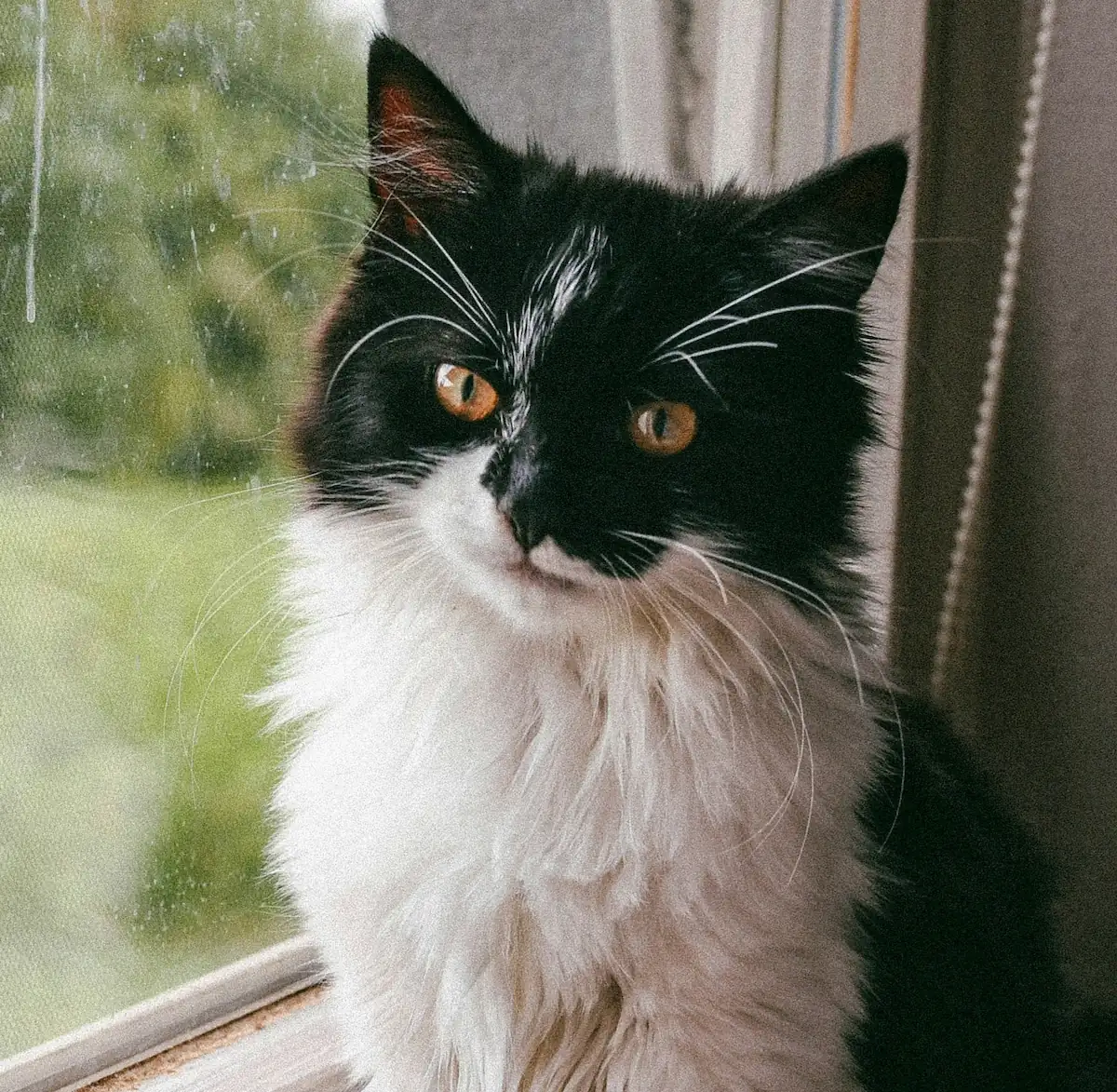
Senior cat check-ups give your vet a chance to review your older cat’s weight, teeth, mobility, general condition and any changes you have noticed at home. Depending on your cat, the visit may also include a discussion about blood pressure, urine testing or blood tests.
Routine wellness visits can be especially useful in older cats because changes in appetite, drinking, movement, grooming, toileting or behaviour may develop gradually.
Disclaimer: This article is for educational purposes only and is not a substitute for professional veterinary advice. If your cat is in pain, losing weight, vomiting frequently, or acting differently, speak to your vet.
Key takeaway: Senior cat check-ups often include a physical examination, weight and body condition review, teeth and gum check, and discussion of appetite, drinking, toileting, mobility and behaviour. Additional checks depend on your cat’s age, health history and any changes you or your vet have noticed.
Quick answer: what does a senior cat check-up include?
A senior cat check-up often includes a physical examination, weight and body condition check, a look at the teeth and gums, and a discussion about eating, drinking, litter tray habits, movement and behaviour.
Your vet may also discuss blood pressure, urine testing or blood tests if they would be useful for your individual cat. Not every senior cat needs the same checks at every visit.
What is a senior cat check-up?
A senior cat check-up is a routine vet visit for an older cat. Your vet may also call it a senior wellness visit, older cat health check, senior cat vet check-up or senior health review.
The exact appointment can vary depending on your cat, your vet practice, and whether your cat has any known health concerns. In general, the visit is designed to help your vet assess your cat’s overall wellbeing and compare today’s findings with previous visits.
A senior cat check-up often includes a mix of discussion, observation and a physical examination. Depending on your cat, it may include:
- a physical examination
- a weight and body condition check
- a discussion about eating, drinking and litter tray habits
- a look at teeth, gums, coat and skin
- a review of mobility, behaviour and comfort
- questions about any changes you have noticed at home
- possible checks if your vet thinks they would be useful
Not every senior cat needs the same checks or tests. The most useful senior wellness visits are usually shaped around the individual cat.
Why senior cat check-ups matter
Older cats can be very good at hiding discomfort or illness. That does not mean you need to worry about every small change, but it does mean routine checks can be helpful.
Regular check-ups give your vet a baseline. This means they can compare your cat’s current weight, body condition, teeth, mobility and general health with earlier visits. Small changes are often easier to understand when they are tracked over time.
Your own observations are also important. The things you notice at home, such as changes in appetite, drinking, grooming, toileting or movement, can help your vet understand how your cat is managing day to day.
For a broader overview of health changes as cats age, see our Senior Cat Health guide.
How often might an older cat need check-ups?
How often an older cat needs a check-up depends on their age, health history and any changes being monitored.
Some vets may suggest more frequent visits for senior or geriatric cats, including twice-yearly check-ups in some cases. This is not a fixed schedule for every older cat, so your vet is best placed to recommend how often your individual cat should be seen.
What the vet may check during a senior wellness visit
A senior wellness visit is usually a broad review rather than one single check. Your vet may focus on different areas depending on your cat’s age, history and any changes you mention.
Weight and body condition
Weight is one of the most useful things to track in an older cat.
Your vet may check:
- your cat’s current weight
- whether they have lost or gained weight
- body condition
- muscle condition
- whether any change is gradual or sudden
Weight changes can be easy to miss at home, especially in fluffy cats or cats who are weighed only occasionally. A steady record at the vet practice can make patterns clearer.
Teeth, gums and mouth
Dental changes are common in older cats, so your vet may look at your cat’s teeth, gums and mouth.
It is worth mentioning if you have noticed:
- bad breath
- drooling
- dropping food
- chewing on one side
- eating more slowly
- avoiding harder food
- pawing at the mouth
- a change in appetite
If your vet mentions dental care, this guide to Senior cat teeth cleaning: what vets do and what owners can safely do may help you understand the difference between veterinary dental treatment and gentle home support.
Coat, skin and grooming
Your vet may also look at your cat’s coat and skin.
Changes to mention include:
- a matted coat
- greasy fur
- dandruff
- reduced grooming
- overgrooming
- bald patches
- new lumps or bumps
- scabs or sore-looking areas
A grooming change does not automatically mean something serious is wrong. It is simply useful information, especially if it is new or getting worse.
Mobility, joints and comfort
Senior cats may become less willing to jump, climb or move around in the same way they used to. These changes can be gradual, so they are easy to dismiss as “just age”.
Tell your vet if your cat is:
- jumping less often
- hesitating before climbing
- sleeping in lower places
- avoiding stairs
- missing jumps
- struggling with the litter tray
- seeming stiff after rest
- more sensitive when touched
Subtle comfort changes can be easy to miss, so you may also find Senior cat pain signs: subtle behaviours owners often miss helpful.
Heart, breathing and general examination
During a check-up, your vet may listen to your cat’s chest and assess their general condition. They may also ask whether you have noticed coughing, fast breathing, reduced stamina or unusual tiredness.
You do not need to interpret these signs yourself. Your role is simply to mention what you have seen, when it started, and whether it is changing.
Eyes, ears and senses
Older cats can have changes in vision, hearing and confidence around the home.
It is worth mentioning if your cat:
- bumps into furniture
- seems startled more easily
- does not respond as quickly to sound
- has cloudy-looking eyes
- seems less confident in dim light
- becomes more cautious when moving around
These details help your vet understand how your cat is managing day to day.
Appetite, drinking and litter tray habits
Your vet may ask about eating, drinking and litter tray habits because these are often useful clues in older cats.
Before the visit, try to note whether your cat is:
- eating more or less than usual
- drinking more or less than usual
- urinating more often
- passing smaller or larger amounts of urine
- having accidents outside the litter tray
- constipated
- having diarrhoea
- vomiting more often than normal
If drinking or urination has changed, this guide to Senior cat kidney disease: early signs owners might notice explains why those observations are worth discussing with your vet.
Checks your vet may discuss
Some senior cat check-ups are mainly a physical examination and conversation. Others may include, or lead to, a discussion about additional checks.
Depending on your cat’s age, history and what your vet finds during the appointment, they may discuss checks such as:
- blood pressure checks
- blood tests
- urine tests
- dental checks
- follow-up appointments
These checks are not a fixed package that every senior cat automatically needs.
Your vet may suggest them based on your cat’s age, health history, examination findings and the changes you have noticed at home.
If your vet suggests a check or test, it is reasonable to ask:
- what it is intended to help assess
- whether it is routine or prompted by a specific concern
- what the possible next steps might be
- whether it needs to be done now or monitored first
You do not need to understand every medical detail. A good question is simply: “What are you hoping this will help us find out?”
Senior cat check-up notes: what to write down before the visit
You do not need to prepare a long symptom checklist. A few clear notes can make the appointment more useful.
If you want a simple way to organise those notes before the appointment, our Senior Cat Observation Toolkit includes a Vet Visit Preparation Sheet for recording the main change, when it started, related changes, photos or videos, current prescribed medications and questions for your vet.
Before the visit, note:
- any new or noticeable changes in eating, drinking, toileting, movement, grooming or behaviour
- when the change started and whether it is getting better, worse or staying the same
- current medication or supplements
- anything that is difficult to describe but can be shown in a photo or video
Photos or videos can be especially useful for changes such as limping, unusual breathing or behaviour that may not happen during the appointment.
Questions to ask your vet
A senior cat check-up is a good time to ask practical questions.
You might ask:
- Is my cat’s weight stable?
- Do their teeth and gums look comfortable?
- Is their mobility typical for their age?
- Are there any changes I should monitor at home?
- Would blood pressure, blood tests or urine testing be useful for my cat?
- How often would you like to see them for check-ups?
- Are there any signs that should prompt an earlier appointment?
- Is there anything I can do at home to make daily life easier for them?
These questions keep the conversation focused on your individual cat rather than general worries.
When to speak to your vet sooner
You do not need to wait for the next routine senior check-up if your cat develops a new, marked or worsening change.
Speak to your vet sooner if your cat stops eating, loses weight unexpectedly, vomits repeatedly, has breathing difficulty, seems weak or in pain, develops a sudden toileting or behaviour change, or otherwise seems noticeably unwell.
Your vet can help you decide how quickly the change needs assessing.
Are senior cat check-ups stressful for cats?
Some cats find vet visits stressful, especially if they dislike the carrier, car journey or unfamiliar surroundings. That does not mean check-ups are not worthwhile, but it can help to plan ahead.
You can ask your vet practice for advice if your cat is very anxious about travel or handling. They may suggest practical ways to make the visit calmer, such as quieter appointment times, carrier tips, or ways to reduce waiting-room stress.
Keep your preparation simple. A secure carrier, familiar bedding and a short written list of concerns are often enough to make the appointment easier.
Final thoughts
Senior cat check-ups help build a clearer picture of your cat’s health and comfort over time. Your vet provides the clinical assessment, while the changes you notice at home provide useful day-to-day context.
Notes about appetite, drinking, litter tray habits, grooming, movement or behaviour can make a wellness visit more useful and help your vet decide what should be monitored next.
FAQs
What does a senior cat check-up include?
A senior cat check-up often includes a weight check, body condition check, teeth and gum check, coat and skin review, mobility discussion, and questions about appetite, drinking, litter tray habits and behaviour. Depending on your cat’s age and history, your vet may also discuss blood pressure, urine testing or blood tests.
How often should a senior cat have a check-up?
This depends on your cat. Many older cats may benefit from more frequent check-ups than younger adult cats, and some vets may suggest twice-yearly visits for senior or geriatric cats. Your vet can recommend the best schedule based on your cat’s age, health history and current signs.
Should I mention small behaviour changes at a senior cat check-up?
Yes. Small behaviour changes can be useful to mention, especially if they are new, persistent or getting worse. Changes in sleep, vocalising, hiding, grooming, jumping, confidence or litter tray use can all help your vet understand how your cat is doing.
Will my senior cat need blood tests at every visit?
Not always. Some senior cats may have blood tests, urine tests or blood pressure checks as part of a health review, but this depends on the cat. Your vet may suggest checks based on your cat’s age, history, symptoms or examination findings.
External references
Cornell Feline Health Center — The Special Needs of the Senior Cat
International Cat Care — Special Considerations for Senior Cats