Senior cat diarrhoea for days can be worrying, especially when your cat is older and the pattern is not settling. A single loose stool may not always mean something serious, but diarrhoea that continues in an older cat deserves closer attention.
You do not need to work out the cause yourself. What you can do is track the pattern clearly, notice any other changes, and speak to your vet when the problem continues or your cat seems unwell.
Disclaimer: This article is for educational purposes only and is not a substitute for professional veterinary advice. If your cat has diarrhoea that continues, seems unwell, is vomiting, not eating, losing weight, or acting differently, speak to your vet.
Key takeaway: If your senior cat has had diarrhoea for days, track how often it happens, what the stool looks like, appetite, water intake, vomiting, energy, weight, and behaviour changes. Ongoing diarrhoea in an older cat is worth discussing with your vet, especially if your cat seems unwell or the pattern is getting worse.
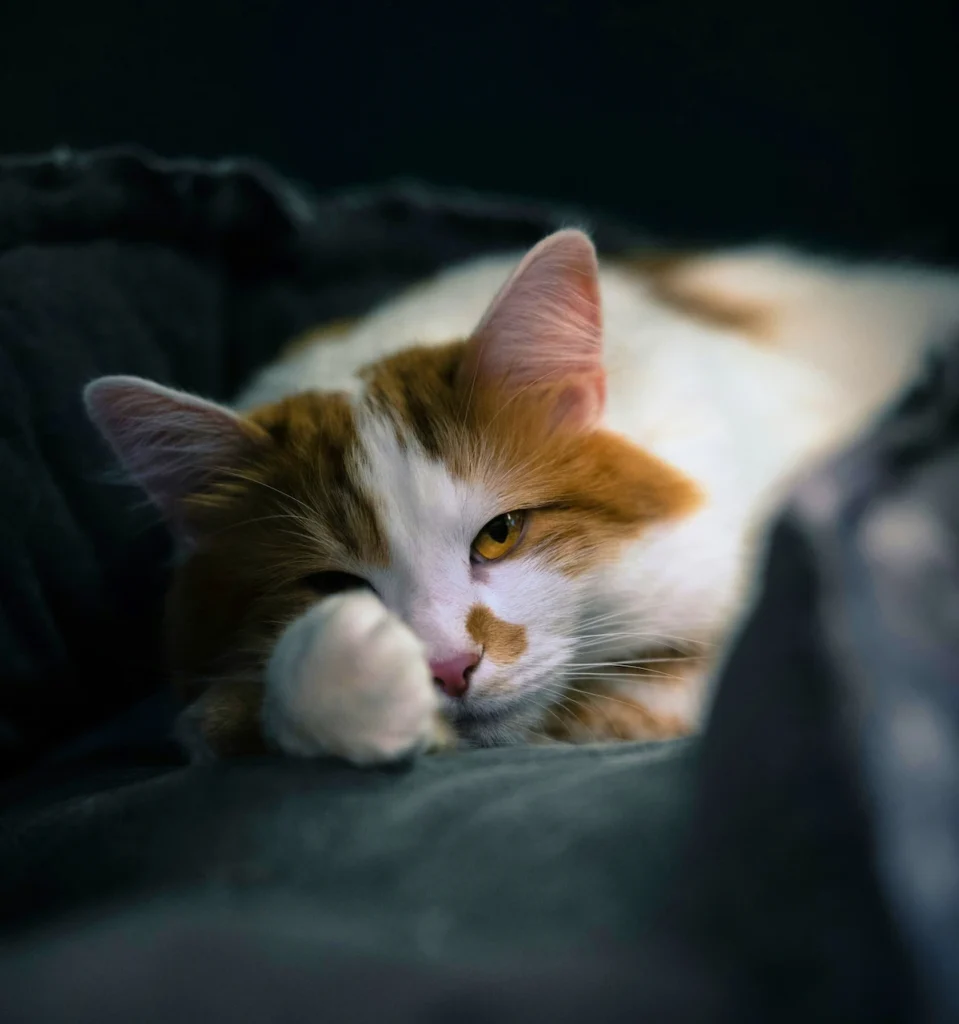
Why Diarrhoea for Days Matters More in Senior Cats
Older cats can sometimes cope less well with ongoing illness than younger adult cats. Diarrhoea that continues for several days may affect comfort, appetite, hydration, energy, and weight.
That does not mean you should panic. It does mean the pattern is worth taking seriously, especially if your cat is also eating less, vomiting, hiding, losing weight, or seeming unusually quiet.
PDSA advises speaking to your vet if your cat has diarrhoea for longer than 24 hours, seems unwell, or has other symptoms such as vomiting, lethargy, blood, mucus, or abdominal pain. Cornell Feline Health Center also notes that diarrhoea lasting more than a day or two, especially with poor appetite, lethargy, or vomiting, should be assessed promptly.
For wider context on age-related health changes, you may also find Senior Cat Health: A Practical Guide for Older Cats helpful.
What to Track If Your Senior Cat Has Diarrhoea for Days
Tracking does not replace a vet visit, but it can make the conversation much clearer. Instead of trying to remember everything at once, you can give your vet a simple picture of what has changed and when.
Senior cat diarrhoea for days can be easier to discuss with your vet when you keep simple notes rather than trying to remember every detail at once.
How Often It Is Happening
Start with the basic pattern.
Note:
- when the diarrhoea first started
- how many times your cat passes loose stool each day
- whether your cat seems urgent or unsettled before using the litter tray
- whether accidents are happening outside the tray
- whether the pattern is improving, staying the same, or getting worse
Frequency matters because “one loose stool yesterday” is different from “watery diarrhoea several times a day for three days”. Your vet does not need perfect notes, but clear timing helps.
What the Stool Looks Like
Stool appearance can be useful to describe, but it does not tell you the cause on its own.
Track whether the stool is:
- soft but still partly formed
- loose or watery
- mucus-like
- unusually dark or black
- streaked with fresh blood
- much smellier than usual
- changing from one day to the next
Try to describe what you see in plain language. You do not need to use medical terms.
If there is blood, very dark stool, repeated watery diarrhoea, or your cat seems unwell, it is sensible to speak to your vet promptly.
Appetite and Drinking
Appetite changes are especially important in older cats. A senior cat with diarrhoea who is also eating less, refusing food, or losing interest in favourite meals should not simply be watched for days without advice.
Track whether your cat is:
- eating normally
- eating less than usual
- refusing favourite foods
- walking away from meals
- drinking more than usual
- drinking less than usual
- visiting the water bowl more often
If appetite has changed too, you may also find Senior cat appetite changes: what’s common as cats age helpful.
Vomiting, Energy, and Behaviour
Diarrhoea on its own is one thing. Diarrhoea alongside vomiting, weakness, hiding, or unusual behaviour gives your vet more reason to assess the situation.
Track whether your cat is:
- vomiting as well as having diarrhoea
- hiding more than usual
- sleeping in unusual places
- quieter than normal
- restless or unsettled
- weak or wobbly
- less interested in contact
- seeming uncomfortable around the litter tray
If vomiting is part of the picture, it gives your vet another important detail to assess. You may also find Older cat keeps vomiting: tracking patterns and when to seek advice helpful.
Weight and Body Condition
Weight changes can be easy to miss in a fluffy or long-haired cat. With diarrhoea that lasts for days, it is useful to note whether your cat looks or feels different.
Track:
- any recent weight loss
- whether your cat feels lighter when picked up
- whether the hips, spine, or shoulders look more noticeable
- whether your cat’s waistline has changed
- recent weigh-ins if you have them
For a simple routine, you may find Senior cat weight tracking: simple monthly routine owners can keep up with helpful.
Simple Senior Cat Diarrhoea Tracking Checklist
Use this checklist to organise your notes before speaking to your vet.
- When it started: note the first day you noticed diarrhoea.
- Frequency: write down how many times your cat passes loose stool in a day.
- Stool appearance: note whether it is soft, watery, mucus-like, dark, or contains blood.
- Appetite: record whether your cat is eating normally, eating less, or not eating.
- Water intake: note whether your cat is drinking more, less, or about the same.
- Vomiting: record whether vomiting is happening as well.
- Energy: note whether your cat seems normal, quieter, restless, weak, or hidden away.
- Weight: record any recent weight loss or visible change in body shape.
- Litter tray behaviour: note urgency, accidents, straining, repeated visits, or discomfort.
- Recent changes: include new food, treats, medication, stress, boarding, visitors, or household changes.
This checklist is not for diagnosing the cause. It simply helps you give your vet a clearer picture.
When to Speak to a Vet
You should speak to your vet if your senior cat has diarrhoea that continues, worsens, or appears with other changes.
It is especially important to ask for veterinary advice if:
- diarrhoea has lasted more than a day or two
- your cat is vomiting as well
- your cat is eating less or not eating
- your cat seems weak, flat, painful, or unusually quiet
- there is blood, mucus, or very dark stool
- your cat is losing weight
- diarrhoea keeps returning
- your cat is drinking much more or much less than usual
- your cat is having repeated accidents outside the litter tray
- you feel something is not right
You do not need to know the cause before speaking to your vet. In a senior cat, your job is to notice the pattern, record useful details, and ask for advice when the problem continues or other changes appear.
What Not to Do While Waiting for Advice
It is natural to want to fix the problem quickly, especially when your cat is older and uncomfortable. But with ongoing diarrhoea, it is best not to experiment at home without guidance.
Avoid:
- giving human diarrhoea medicines unless your vet specifically tells you to
- trying several food changes in quick succession
- starting supplements or home remedies during ongoing diarrhoea without veterinary advice
- assuming it is only age-related
- waiting longer if the diarrhoea is ongoing, worsening, or paired with other changes
Cornell Feline Health Center warns that some over-the-counter medicines can be harmful to cats, which is why medication should only be used under veterinary guidance.
What to Tell the Vet
When you speak to your vet, give the clearest picture you can. You do not need perfect notes, but the details below can help.
Tell your vet:
- how long the diarrhoea has been happening
- how often it happens each day
- what the stool looks like
- whether there is vomiting
- whether appetite has changed
- whether drinking has changed
- whether your cat seems tired, restless, weak, or hidden away
- whether there has been any weight loss
- whether there has been any recent food, treat, medication, or routine change
- whether any other pets in the home are affected
Your vet may ask whether you can bring a stool sample, but follow your clinic’s instructions on whether and how to do this.
How This Is Different From an Occasional Loose Stool
An occasional loose stool can happen, and it does not always mean something serious. Cats can have short-lived digestive upsets, and some mild episodes may settle quickly.
But diarrhoea for several days is different, especially in a senior cat.
A continuing pattern gives your vet more reason to look at the wider picture: appetite, water intake, energy, weight, vomiting, stool appearance, and any recent changes at home.
For a broader look at possible reasons, you can read Senior cat diarrhoea: common causes and when to speak to your vet.
Final Thoughts
Senior cat diarrhoea for days is not something you need to diagnose at home, but it is something worth tracking carefully.
Write down when it started, how often it happens, what the stool looks like, and whether your cat’s appetite, drinking, energy, weight, or behaviour has changed. Those notes can make it easier to explain the situation clearly and help your vet decide what should happen next.
The safest approach is calm observation plus timely veterinary advice. If the diarrhoea continues, gets worse, or comes with other changes, speak to your vet.
FAQs
How long is too long for diarrhoea in a senior cat?
Diarrhoea lasting more than a day or two in a senior cat is worth discussing with your vet, especially if your cat is also vomiting, eating less, losing weight, hiding, or acting differently. Older cats may be more vulnerable when a problem continues.
What should I track if my senior cat has diarrhoea?
Track when it started, how often it happens, what the stool looks like, appetite, water intake, vomiting, energy, weight changes, litter tray behaviour, and any recent diet or routine changes.
What if my senior cat has diarrhoea but seems normal?
If your cat seems otherwise normal, keep a close eye on the pattern. However, if diarrhoea continues, returns, or appears with appetite changes, vomiting, weight loss, weakness, or unusual behaviour, speak to your vet.
Should I take a stool sample to the vet?
Your vet may ask for a stool sample, but it is best to follow your clinic’s instructions. They can tell you whether a sample is needed and how they would like it collected.
Is diarrhoea more concerning in senior cats?
Ongoing diarrhoea can be more concerning in senior cats because older cats may be more vulnerable to changes in appetite, hydration, weight, and general energy. It does not always mean something serious, but it should not be ignored if it continues for days.
External References
PDSA: Diarrhoea in cats
Cornell Feline Health Center: Diarrhea