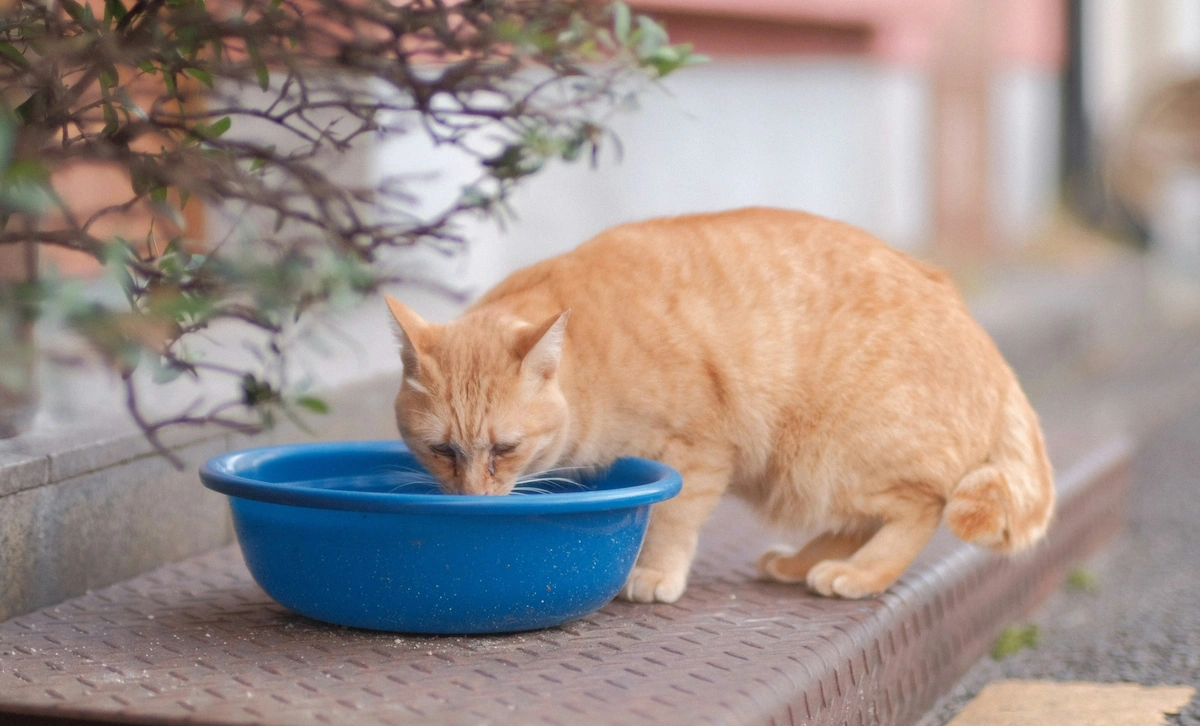
Senior cat appetite changes can be worrying, especially if your cat has always been steady with food. Some older cats do start eating differently with age. They may seem less interested in meals, fussier about smell or texture, or more likely to eat smaller amounts at a time. But a clear appetite change should not be brushed off as “just ageing”, especially if it keeps happening or appears alongside other changes. Authoritative cat-care guidance notes that ageing can affect appetite through changes such as reduced smell and taste, while also stressing that eating changes can reflect comfort problems or underlying illness.
Disclaimer: This article is for educational purposes only and is not a substitute for professional veterinary advice. If your cat is in pain, losing weight, vomiting frequently, or acting differently, speak to your vet.
Key takeaway: Some senior cats do eat differently as they age, but a clear, ongoing, or unexplained appetite change is worth mentioning to your vet. “Common” does not mean something should be ignored.
Quick answer: do cats eat less as they get older?
There is no simple rule that older cats normally eat less. Some senior cats do change how much or how they eat, but what matters most is a noticeable change from your cat’s usual pattern. A clear decrease or increase in appetite should not be dismissed as normal ageing.
If your senior cat is eating less than usual, losing weight, vomiting, hiding, drinking differently, struggling to chew, or acting unlike themselves, speak to your vet.
Are senior cat appetite changes common?
Many owners notice that an older cat’s eating habits are not quite as predictable as they used to be. A senior cat may eat a little less, seem fussier, prefer smaller meals, or take longer to settle into a routine around food. International Cat Care notes that older cats may have a reduced sense of smell and taste, which can make food less appealing, and Cats Protection includes appetite changes among the things owners may notice in elderly cats.
That said, appetite changes are observations, not explanations. It is one thing to notice that your cat eats differently. It is another to assume the reason is simply age. A mild shift may happen gradually, but a noticeable change still deserves attention, especially if it keeps happening.
For broader context on age-related health changes, you could also read Senior Cat Health: A Practical Guide for Older Cats.
What changed at mealtimes?
You do not need to work out what is causing an appetite change yourself. Start by noticing exactly what has changed at mealtimes and whether the pattern is new, repeated or becoming more obvious.
Amount eaten
Is your cat eating less, more, or roughly the same amount as usual?
Meal pattern
Notice whether your cat is finishing meals, leaving food, returning later to eat, or asking for food more often than before.
Enthusiasm
Does your cat seem keen to eat, more hesitant than usual, sniff the food and walk away, or appear interested but eat very little?
Food preferences
Note any new preference for a particular texture or food, or whether your cat starts turning away from foods they previously ate readily.
Weight and drinking
Notice whether weight or drinking habits also seem to be changing alongside the appetite difference.
These observations cannot tell you the cause, but they can make it easier to describe clearly what has changed.
If you want to track whether the change is occasional or becoming a pattern, our Senior Cat Observation Toolkit includes an Eating & Drinking Observation Sheet for recording changes around meals, drinking, toileting, vomiting and weight.
Cats Protection advises owners to speak to a vet if an older cat starts eating more or less than usual.
Why ageing can affect appetite in general terms
Ageing can influence appetite in a few broad ways. The safest way to think about this is not as a diagnosis list, but as general context for why food habits may shift.
Changes in smell and taste
Smell matters a great deal to cats. International Cat Care notes that older cats may have a reduced sense of smell and taste, which can make food less appealing than it once was. When food seems less interesting, a cat may appear fussier or less eager, even if they are not fully refusing to eat.
Mouth comfort can affect how a cat approaches food
Cornell Feline Health Center notes that dental disease is extremely common in older cats and can hinder eating, and that although reduced smell may play a part, dental discomfort is a more likely reason for reluctance to eat. In day-to-day terms, this can look like a cat seeming interested in food but then backing away, eating more slowly, or chewing differently.
You do not need to diagnose the reason yourself. The important point is that appetite changes can reflect comfort issues as well as preference.
Routine and environment may matter more
Older cats can become more sensitive to disruption. Noise, household changes, competition with other pets, or a feeding spot that feels awkward can affect how settled they feel around food.
A cat who used to eat anywhere may become more particular about a calm, familiar place.
Comfort and access can play a part
Sometimes eating is affected by the setup rather than the food itself. A bowl placed in a busy walkway, a feeding area that feels hard to reach, or a posture that seems less comfortable than it once did can all influence mealtime behaviour.
This does not mean every appetite change is caused by a simple environmental issue. It just means comfort still matters.
When appetite changes are worth mentioning to your vet
A single light meal may not be important. A change that is clear, repeated, or getting more obvious is much more worth mentioning.
It is usually more useful to focus on change from your cat’s usual pattern than on whether the appetite shift seems dramatic.
It is sensible to speak to your vet if your older cat is:
- eating noticeably less than usual
- eating much more than usual
- leaving food repeatedly
- losing weight or gaining weight without a clear reason
- drinking more or less than usual
- vomiting alongside the appetite change
- showing bad breath or seeming uncomfortable around the mouth
- quieter, weaker, or not quite themselves
- interested in food but not really eating
- showing a change that keeps happening over several days
If your older cat is barely eating, refusing food, or repeatedly walking away from meals, our Senior cat not eating guide may help you decide what to check first and when to speak to your vet.
Cats Protection advises speaking to a vet if an older cat starts eating more or less, and Cornell advises owners to watch for reluctance to eat in senior cats because oral pain and other health issues can be involved.
For related weight-related changes, you could also read Senior cat weight loss: Common Reasons and When to Speak to a Vet.
If your cat is also drinking differently, this may help too: Senior cat drinking more: possible reasons and when to mention it.
Final thought
Some senior cats do eat differently as they age, and owners may notice smaller meals, fussier eating, or less consistent interest in food. These senior cat appetite changes are worth watching, especially when the pattern is new, clear, or ongoing. But a noticeable change should not be dismissed simply because your cat is older. If the change is clear, ongoing, or appears alongside weight, thirst, vomiting, or behaviour changes, it is worth mentioning to your vet.
For practical day-to-day support, our Senior Cat Care guide covers routines, comfort and owner observations for older cats.
If appetite changes appear alongside bad breath, drooling or chewing changes, our Senior cat dental disease guide may help you decide what else to notice.
If appetite changes are also part of a wider pattern involving weight, drinking or food preferences, our Senior Diet for Cats guide may help you look at the bigger picture.
FAQs
Is it normal for a senior cat’s appetite to change?
Appetite changes can be noticed more often in older cats, but a clear or repeated change should not be assumed to be harmless.
Do older cats usually eat less?
Some do seem less interested in food or prefer smaller meals, but not all older cats eat less. What matters most is any change from your cat’s usual pattern rather than a rule about what senior cats “should” do.
Why is my senior cat suddenly fussier with food?
Older cats may become more sensitive to smell, taste, texture, comfort, or routine. But if the fussiness is sudden or keeps happening, it is sensible to mention it rather than assuming it is just age.
Why does my senior cat seem hungry all the time?
Some appetite changes go in the other direction, with a cat seeming hungrier than usual. A clear increase in appetite is also worth mentioning to your vet, especially if it is new or paired with other changes.
When should I worry about senior cat appetite changes?
It is more concerning when the change is clear, repeated, worsening, or happening alongside weight change, drinking changes, vomiting, or a change in behaviour.