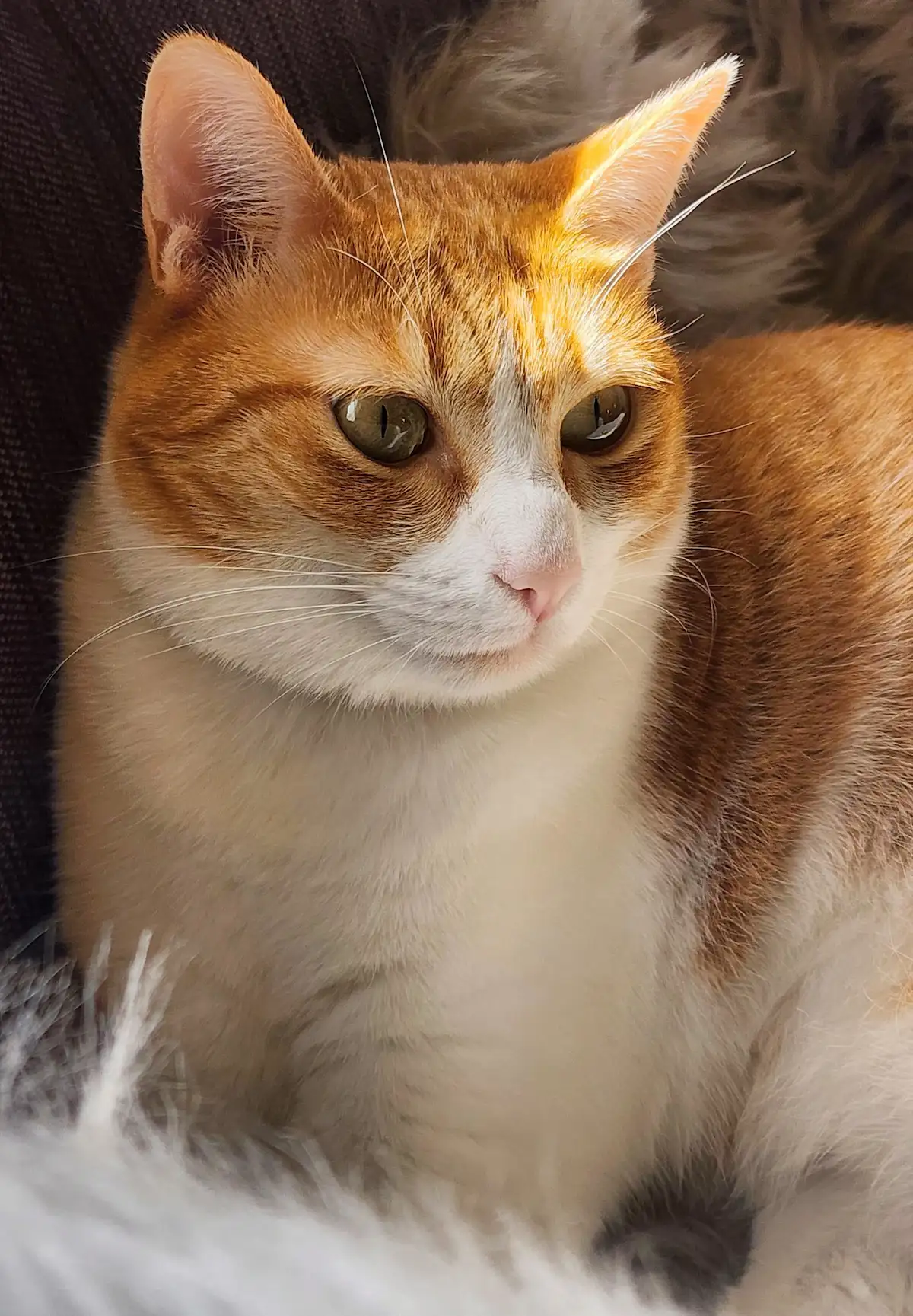
Senior cat dental health can be easy to overlook because mouth changes are not always obvious. Some older cats keep eating and acting mostly normal, but may eat more slowly, drop food, chew differently or become less comfortable around the mouth.
Bad breath, drooling, red-looking gums, visible tartar, slower eating or changes in appetite are all worth noticing, especially if they are new, persistent or linked with weight change.
This guide explains common teeth, gum and mouth changes owners may notice in senior cats, what you can safely observe at home, and which more specific guides on this site may help next.
Disclaimer: This article is for educational purposes only and is not a substitute for professional veterinary advice. If your cat is in pain, losing weight, vomiting frequently, or acting differently, speak to your vet.
Key takeaway: Senior cat dental health changes can be subtle. Bad breath, drooling, slower eating, gum changes or dropping food are worth noticing, especially if they are new, persistent or linked with appetite or weight changes.
Why senior cat dental health can be easy to overlook
Cats can be very good at hiding mouth discomfort. A senior cat may not cry, paw at the mouth or stop eating completely. Instead, the signs may show up as small changes in routine.
You may notice your cat:
- eating more slowly
- choosing softer food
- dropping pieces of food
- chewing on one side
- becoming less interested in meals
- grooming less than usual
- avoiding touch around the face
- seeming more withdrawn or irritable
These signs do not prove your cat has a dental problem, but they are useful clues. If a change continues, worsens or appears alongside weight loss, it is worth speaking to your vet.
For a deeper guide to possible mouth and tooth signs, see Senior cat dental disease. If food interest has changed, Senior cat appetite changes and Senior cat not eating may also help.
Teeth, gum and mouth changes owners may notice
You do not need to examine your cat’s mouth closely to notice useful patterns. Many dental or mouth changes are first spotted through everyday behaviour.
Changes worth noticing include:
- bad breath that persists
- red-looking gums
- visible tartar or staining on the teeth
- drooling
- dropping food
- chewing differently
- pawing at the mouth
- pulling away when touched around the face
- changes in grooming
- eating less or taking longer to eat
Some of these signs can have more than one possible cause. The aim is not to diagnose the problem at home, but to notice what has changed and share that information with your vet.
If you want a simple guide to what owners can look for, start with Senior cat teeth and gums. If smell or saliva is the main change, Senior cat bad breath and Senior cat drooling may be more useful.
Senior cat dental health changes at a glance
| What you may notice | What it may affect or show | Helpful next guide |
|---|---|---|
| Bad breath | Mouth or dental changes worth tracking | Senior cat bad breath |
| Drooling | Saliva changes, mouth changes or other issues | Senior cat drooling |
| Dropping food | Eating or chewing changes | Senior cat appetite changes |
| Red-looking gums | Gum changes worth mentioning to your vet | Senior cat teeth and gums |
| Eating more slowly | Appetite, comfort or chewing changes | Senior cat not eating |
| Weight loss | Eating difficulty or wider health changes | Senior Cat Weight Loss |
Eating, breath and drooling changes
Mouth changes are often noticed through eating, smell or saliva rather than by looking directly at the teeth.
Bad breath is one of the most common things owners notice first. Occasional food smell is different from breath that is persistent, worsening or paired with other changes.
Drooling can also have different possible causes. Some cats may drool briefly when relaxed, but new or repeated drooling, especially with bad breath, eating changes or face sensitivity, is worth mentioning to your vet.
Eating changes should not automatically be dismissed as fussiness. A senior cat who eats more slowly, drops food, avoids hard pieces or walks away from meals may be showing a change in comfort, appetite or chewing.
If breath is your main concern, see Senior cat bad breath. If saliva has changed, Senior cat drooling may help. For appetite or body condition changes, read Senior cat appetite changes and Senior Cat Weight Loss.
Tooth resorption and dental disease in older cats
Dental disease and tooth resorption are both terms owners may hear during a vet visit. They are not things you need to diagnose at home.
Owners may notice general signs such as:
- eating differently
- bad breath
- drooling
- mouth sensitivity
- dropping food
- changes in behaviour
- reduced interest in food
These signs do not confirm one cause. They are simply reasons to pay attention and speak to your vet if the change continues, worsens or feels unusual for your cat.
For a broader explanation of dental disease signs, see Senior cat dental disease. If your vet has mentioned tooth resorption, Senior Cat Tooth Resorption explains owner-noticed signs and questions you may want to ask.
What owners can safely check at home
At-home checks should be gentle and observation-based. You are not trying to examine your cat like a vet would.
You can safely notice:
- whether your cat’s breath has changed
- whether eating takes longer than usual
- whether food is being dropped
- whether your cat is chewing differently
- whether drooling has appeared
- whether grooming has changed
- whether your cat reacts differently to touch around the face
Only look at your cat’s mouth if they are calm and tolerant. Do not force the mouth open, scrape teeth, pull at the lips, or try to treat suspected dental discomfort at home.
If your cat seems uncomfortable, stressed or resistant, stop and speak to your vet instead.
For simple owner observations, see Senior cat teeth and gums. If you want to understand what vets may do and what owners can safely do at home, read Senior Cat Teeth Cleaning.
Senior cat dental guides on this site
This page is the main dental health hub. Use the sections below to choose the most relevant next guide.
Start with teeth, gums and dental disease
These guides are a good starting point if you are noticing visible changes around the teeth, gums or mouth.
Senior cat teeth and gums explains simple things owners may notice during everyday care.
Senior cat dental disease covers signs to watch for and when to book a check.
Senior Cat Tooth Resorption explains signs owners may notice and what to ask your vet.
If breath, drooling or eating has changed
These guides may be more useful if the first change you noticed was smell, saliva, appetite or weight.
Senior cat bad breath explains common reasons bad breath may be worth mentioning.
Senior cat drooling covers drooling changes and when to mention them.
Senior cat appetite changes helps you think about eating patterns calmly.
Senior cat not eating explains what owners can check first and when to speak to a vet.
Senior Cat Weight Loss may help if eating changes appear alongside body condition changes.
If you want to understand dental cleaning
Senior Cat Teeth Cleaning explains what vets may do and what owners can safely do at home.
When to speak to your vet
It is worth speaking to your vet if dental, mouth or eating changes are new, persistent, worsening or unusual for your cat.
Mention changes such as:
- bad breath that persists
- drooling
- dropping food
- reduced appetite
- weight loss
- bleeding from the mouth
- red or swollen-looking gums
- difficulty chewing
- pawing at the mouth
- sudden behaviour changes
- a change that continues or worsens
You do not need to decide what is causing the change. Your role is to notice the pattern, explain when it started, and describe anything else that has changed.
For a broader overview of age-related health changes, see our Senior Cat Health guide.
Quick recap
- Senior cat dental health changes can be subtle.
- Bad breath, drooling, slower eating and gum changes are worth noticing.
- Eating changes should not automatically be dismissed as fussiness.
- Owners can observe gently, but should not force mouth checks or try to treat dental issues at home.
- If signs are new, persistent or linked with appetite or weight changes, speak to your vet.
FAQs
Why does my senior cat have bad breath?
Bad breath can be linked to mouth or dental issues, but it does not confirm one cause. If it is persistent, worsening or linked with eating changes, drooling or weight loss, speak to your vet. You may also find Senior cat bad breath helpful.
Is it normal for older cats to lose teeth?
Tooth changes can happen in cats, but tooth loss, broken teeth, visible discomfort or eating changes should be discussed with a vet. Do not assume it is just part of ageing.
Why is my senior cat drooling?
Drooling can happen for different reasons, including mouth changes, stress, nausea or other health issues. If drooling is new, persistent or paired with bad breath or eating changes, speak to your vet. You may also find Senior cat drooling helpful.
Can I clean my senior cat’s teeth at home?
Some cats tolerate gentle tooth brushing if they have been introduced to it gradually, but owners should not force it or try to scrape teeth themselves. If your cat’s mouth seems sore, ask your vet for guidance first. Senior Cat Teeth Cleaning explains what vets may do and what owners can safely do.