A senior cat not eating can be worrying — this guide covers safe checks you can do at home and when it’s best to speak to your vet.
Appetite changes in older cats can happen for several reasons, from food or routine changes to discomfort or illness. This guide explains what to check first, which changes matter most, and when it is safest to speak to your vet.
Disclaimer: This article is for general education and is not a substitute for veterinary advice. If your senior cat stops eating, appetite changes can be a sign of illness or pain. If you are worried about your cat’s comfort or they have missed meals, speak to your vet for advice.
Key takeaway
- If your senior cat is not eating, focus on what has changed and how your cat seems overall.
- Food, routine, stress, mouth comfort, and litter tray changes can all matter.
- Older cats are less resilient when appetite drops, so it is safer to speak to your vet sooner rather than later if meals are being missed.
- If your cat seems quiet, hides, looks uncomfortable eating, or is also vomiting, same-day vet advice is sensible.
Quick answer: what happens when an old cat stops eating?
When an old cat stops eating, it is worth taking seriously, especially if the change is sudden or your cat is also hiding, losing weight, vomiting, drinking differently, seeming weak, or acting unlike themselves.
A missed meal can happen for simple reasons, but older cats should not go without food for long. If your senior cat is not eating, eating much less than usual, or refusing food alongside other changes, speak to your vet promptly.
Should I speak to your vet today? A quick checklist
Use this checklist as a simple guide to whether you should speak to your vet today.
Speak to your vet the same day if your cat:
- has stopped eating or is missing meals
- seems very quiet, is hiding, or is simply not themselves
- is repeatedly vomiting, retching, or cannot keep water down
- looks uncomfortable eating, for example drops food, chews slowly, backs away from the bowl, or paws at their mouth
- has new or worsening diarrhoea, constipation, or is not passing poo as usual
- seems weaker than normal, unsteady, or you are concerned about their breathing
If you are unsure, it is reasonable to speak to your vet anyway. International Cat Care advises speaking to your veterinary team promptly if your cat is eating less than usual or not eating.
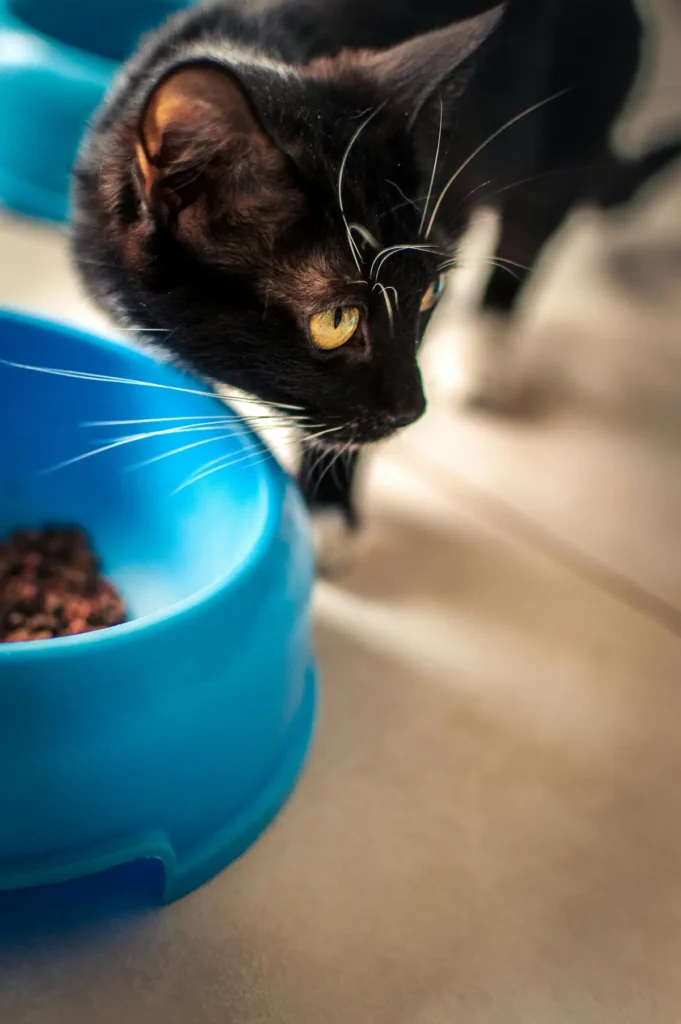
First, check what “not eating” looks like
Sometimes a cat is eating something, just not in the usual way.
Check these common false alarms:
- They are eating treats but not meals. That still counts as an appetite change.
- They are licking gravy but leaving chunks. Texture preferences can matter.
- In a multi-cat home, you may not be sure who is eating what. A confident eater can make it look like everyone is fine.
If you can, do a quick reset:
- offer one measured portion
- watch for two to three minutes
- note what happens: sniffs and walks away, tries to eat but stops, or eats slowly
These details help you decide what to do next, and they are useful if you speak to your vet.
Safe checks you can do at home
These checks are about spotting obvious changes and removing simple barriers to eating. Keep it gentle and practical. No forcing, no poking, and no trying to examine your cat if they seem uncomfortable.
1) Food: has anything changed?
Even small food changes can affect appetite in older cats.
Check for:
- a new brand, flavour, texture, or recipe
- food that has been left open longer than usual
- food served straight from the fridge, which often smells less appealing
What to do:
- offer a fresh portion
- if using wet food, warm it slightly so it smells stronger — it should be lukewarm, never hot
- keep portions small and more frequent over the next day
2) Bowl and feeding setup
Older cats can become fussier about how and where they eat.
Check for:
- a bowl that is not fully clean or smells of detergent
- a deep bowl that brushes the whiskers
- a feeding spot that is noisy, draughty, or in a busy walkway
What to do:
- try a clean, shallow dish
- move the bowl somewhere calmer
- feed away from other pets if there is any tension or guarding
3) Stress and routine changes
Senior cats often react more to household changes than owners expect.
Think about whether anything has changed recently:
- visitors
- building work
- fireworks
- a new pet
- a different feeding place
- a change in feeding time or household routine
What to do:
- keep meals predictable
- provide a quiet base room where your cat can eat undisturbed
4) Watch how your cat approaches the food
This is one of the most useful clues you can get without doing anything invasive.
Look for:
- sniffing and backing away repeatedly
- gagging, drooling, or shaking the head
- chewing on one side
- dropping food
- seeming reluctant to bite
If eating looks uncomfortable, that is a strong reason to speak to your vet rather than trying lots of different foods at home.
5) Litter tray and water
Without trying to diagnose anything, simply observe what is happening.
Note whether your cat is:
- peeing and pooing as usual
- straining, crying, or making repeated trips
- drinking noticeably more or less than normal
Write down what you notice. These changes can help a vet judge how urgent the situation may be.
Common reasons an older cat may eat less
It is tempting to jump to the worst-case scenario. In reality, appetite changes can be triggered by many things, some simple and some more serious.
Common categories include:
- Food factors: taste, smell, texture, freshness, and temperature
- Environment and stress: routine disruption, competition at the bowl, noise, or a less secure feeding area
- Discomfort while eating: mouth, teeth, or gum discomfort can make meals unpleasant
- Feeling generally unwell: when cats do not feel right, eating often drops early
The important point is that you do not need to know the cause before taking the situation seriously. If your senior cat is not eating properly, it is reasonable to speak to your vet promptly, especially if meals are being missed.
Avoid common panic mistakes
- do not force-feed
- do not keep swapping foods every hour
- do not assume they will eat when they are hungry
If your cat still will not eat, or you are seeing any of the red flags above, speak to your vet for advice.
Why appetite changes matter more in senior cats
Older cats can be more sensitive to changes in routine, discomfort, and illness. They may also lose condition faster when eating drops.
That is why watch-and-wait is not a great default approach for a senior cat not eating, especially if:
- they have missed meals
- they seem quieter than normal
- they are hiding, withdrawn, or uncomfortable
A vet can assess hydration, weight, mouth comfort, pain, and whether further tests are needed. That is often safer and quicker than extended trial and error at home.
If you want a broader overview of age-related changes and when to seek help, see our senior cat health checks and when to speak to a vet.
What to prepare before you speak to your vet
Clear, simple observations can help you get better advice faster.
A quick checklist to write down
- When did the appetite change start?
- What was the last normal meal?
- What has your cat eaten since, including treats?
- Are they drinking normally, as far as you can tell?
- Any vomiting, diarrhoea, or constipation changes?
- Any changes to peeing or pooing frequency or behaviour?
- Any recent changes to food, household routine, stress, or new pets?
- Any behaviour changes such as hiding, clinginess, restlessness, or sleeping more?
Optional but helpful
- a short video showing how your cat approaches the bowl, such as sniffing and walking away, dropping food, or chewing oddly
What the vet may do
This varies by cat and situation, but commonly includes:
- a full physical exam
- a weight check and hydration assessment
- a mouth, teeth, and gum check
- a discussion of any changes at home, diet history, and other symptoms
Your role is simply to bring the clearest picture you can. You do not need to diagnose anything yourself.
If not eating appears alongside mouth changes, drooling, bad breath or chewing differently, our Senior Cat Dental Health guide may help you look at the wider picture.
For broader context on appetite, weight, hydration and feeding changes in older cats, see our Senior Diet for Cats guide
FAQs
My senior cat is not eating but is drinking — should I worry?
It can still be important. Drinking does not rule out illness or discomfort. If your cat is missing meals, eating much less than usual, or acting off, it is sensible to speak to a vet for advice, especially in older cats.
Old cat not eating much but acting normal — what should I do?
Start with the quick checks: food freshness, bowl setup, stress and routine, and texture. If appetite stays low, or your cat starts missing meals, speak to your vet. Senior cats can deteriorate faster than you expect, even if they still seem fairly bright.
Senior cat not eating and hiding — is that serious?
Hiding plus appetite change is a strong take-notice combination. It can suggest stress, pain, or that your cat is not feeling well. It is reasonable to speak to your vet the same day for guidance, especially if meals are missed.
Why is my senior cat not eating?
There are many possibilities, including food factors, stress, mouth discomfort, and illness. Rather than guessing, focus on what has changed, note any red flags, and speak to your vet if meals are missed or your cat seems unwell.
Related reading
- For a broader overview of common age-related changes, read our Senior Cat Health guide.
- If comfort and movement around the home are becoming harder, see our guide to Simple home adjustments that support comfort.
- For wider context on later life changes, read How ageing can affect routine and comfort.
External references
- International Cat Care — Inappetence in cats