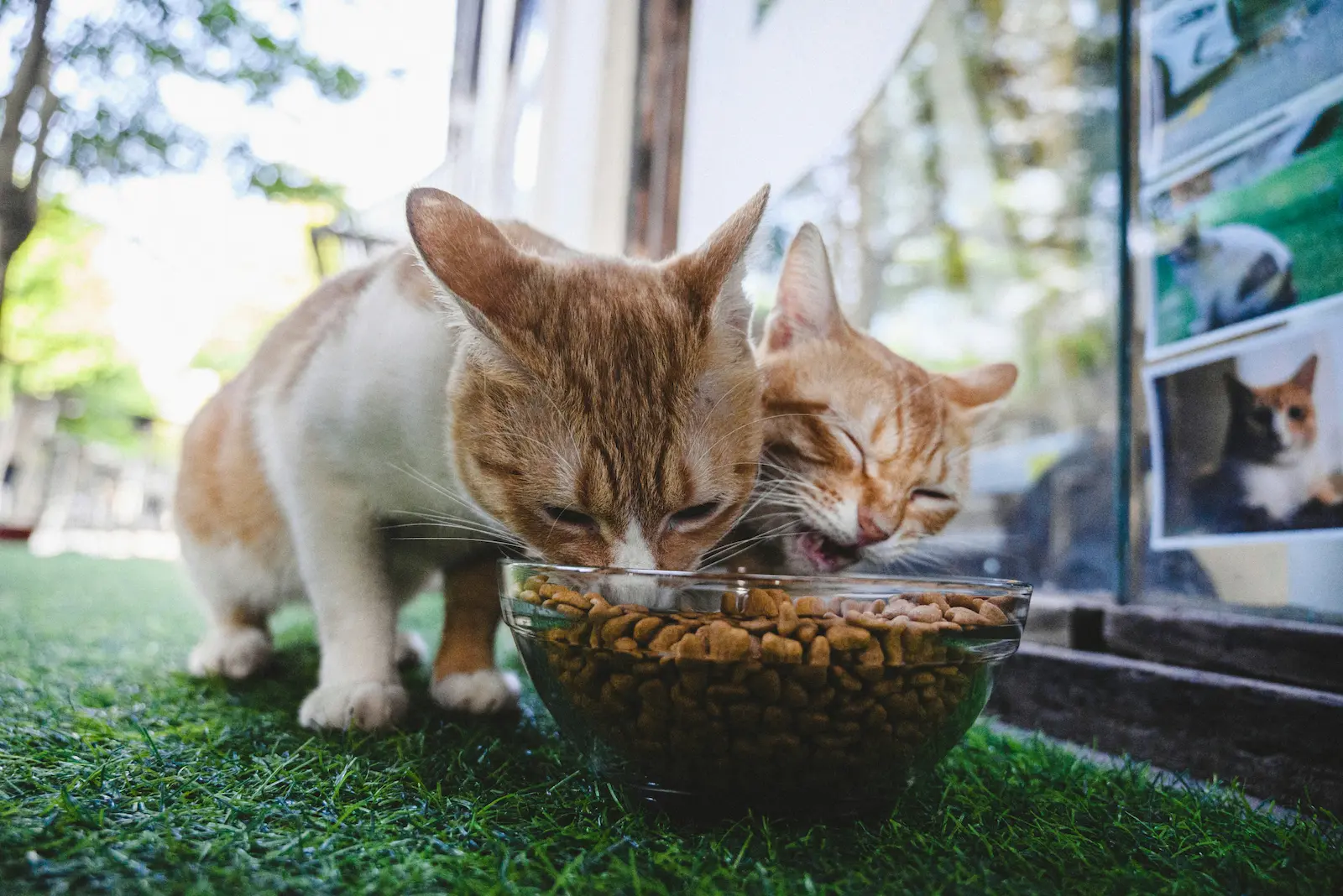
Choosing senior cat food can feel oddly stressful — especially if your cat’s appetite, weight, or preferences have started to change. The good news is you don’t need a “perfect” food. You need a reliable, complete diet your cat will eat consistently, that supports a healthy weight and keeps daily life simple.
This guide walks you through what to look for (and what to ignore) on labels, whether wet or dry makes sense for your cat, how to change food safely, and the signs that mean it’s worth speaking to your vet.
If you’re not sure what counts as ‘senior’ yet, see What age is a cat considered senior?
For a broader overview of what typically changes with age, see our senior cat lifespan and ageing guide.
Disclaimer: This article is for general education and isn’t a substitute for veterinary advice. If your cat’s appetite or weight changes suddenly, or you’re worried about their comfort, speak to your vet.
For a broader overview of day-to-day support, see our Senior Cat Care guide.
Quick answer: how to pick a good senior diet (without overthinking it)
If you want the simplest approach, use this checklist:
- Pick a complete cat food from a reputable brand (not “complementary” only).
- Choose a format your cat actually eats well (taste and texture matter).
- Keep an eye on weight and body shape over time (not just the label).
- Consider adding more moisture (wet food or a mix) if your cat is a low drinker.
- Make any food change gradually, not overnight.
- Speak to your vet if your cat’s appetite or weight changes suddenly or doesn’t settle within a week or two.
A mix of wet and dry can work well for many healthy cats — it can add moisture while keeping feeding practical. For a simple overview of feeding approaches (including wet vs dry), see International Cat Care (ISFM)
What changes as cats get older (and why food choices matter)
Not every older cat needs a “special” diet. But as cats age, a few normal shifts can affect what works best.
For a broader overview of feeding choices, routines, and when to ask your vet, see our guide to senior diet for cats.
Appetite, weight and muscle can go either way
Some older cats gain weight as they move less. Others lose weight or muscle even though they seem hungry. Your goal is steady, comfortable eating and a healthy body condition — not chasing a perfect “senior” label.
For a broader overview of what typically changes with age, see How long do cats live? Average lifespan explained (and what changes with age).
Hydration can become more important
Many cats are naturally light drinkers. Wet food contains far more moisture than dry food, so it can be a straightforward way to increase overall water intake for cats who don’t drink much. Whether that’s necessary for your cat depends on their habits and what your vet advises.
Teeth and comfort can change preferences
If chewing is uncomfortable, cats may become picky, eat more slowly, or favour softer textures. That doesn’t always show up as obvious mouth pain — it can look like “fussiness”.
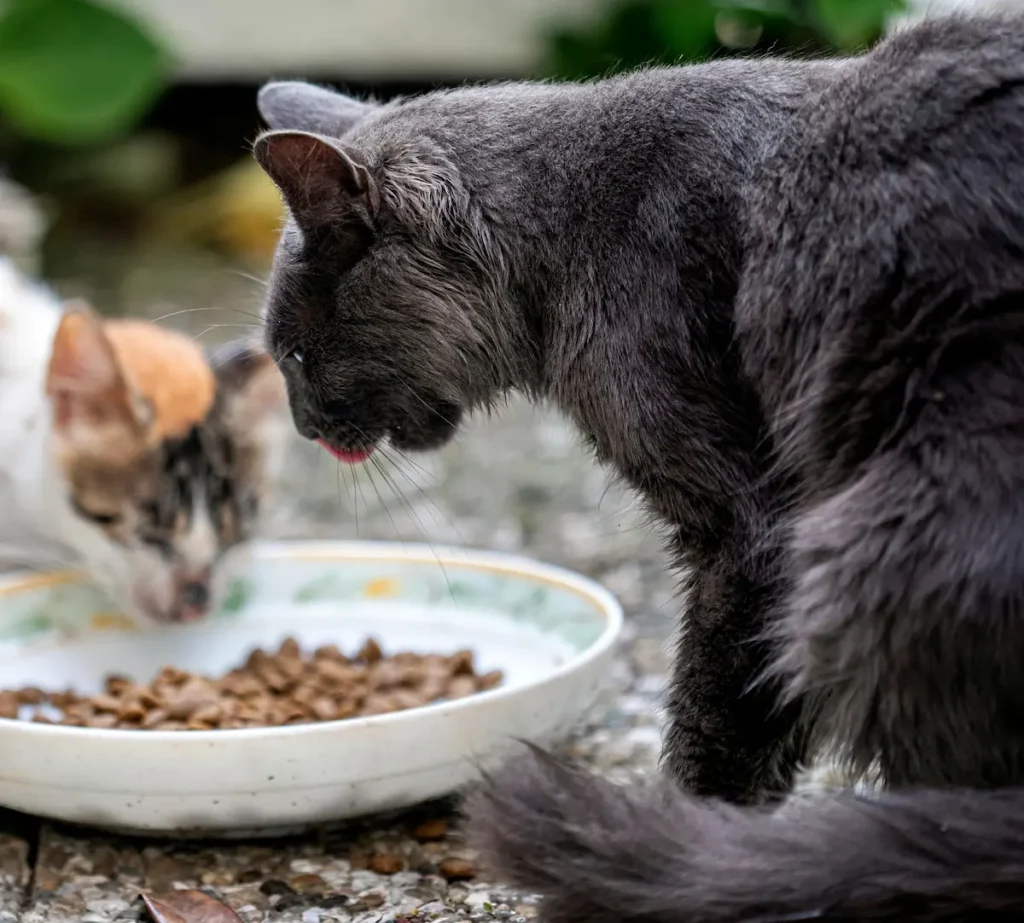
Senior cat food labels: 7 checks that Matter
You don’t need to decode every ingredient list. These are the checks that make the biggest difference for everyday feeding.
1) “Complete” vs “complementary” (must-do)
This is the biggest, simplest label win:
- Complete foods are designed to provide all essential nutrients when fed as the main diet.
- Complementary foods are not meant to be the only thing your cat eats.
If you only remember one thing from this post, remember this.
2) Don’t over-trust “senior” as a magic word
“Senior” on the bag can be helpful, but it’s not a guarantee of quality or suitability. Different brands define life stages differently, and cats age at different rates. Treat “senior” as a starting point, not a promise.
3) Look for “nutritionally balanced”, not “trendy”
Words like “natural”, “premium”, or “human-grade” are marketing terms. What matters is whether the food is designed to meet a recognised nutritional standard and suits your individual cat.
4) Watch calorie density (especially with dry food)
Many dry foods are energy-dense. That’s not “bad” — it’s just easy for small portion changes to add up over time. If your older cat is gaining weight, calorie density and portion creep are often the first things to review.
5) Moisture content changes the maths
Wet food can support hydration, and it’s often easier for some cats to manage. Dry food can be convenient and works well for many households. A mixed approach is common and can be a practical compromise.
6) Fibre and digestibility: judge by your cat’s stool
Senior cats can become more sensitive to changes in richness and fibre. You don’t need to “optimise” numbers — instead, watch what happens to:
- stool consistency
- frequency
- gas/straining
If stools are consistently off after a careful transition, it’s a signal to reconsider the food (or check in with your vet).
7) Palatability and texture are not “spoiling”
A food your cat won’t eat is not the right food — even if it looks perfect on paper. Texture (pâté, chunks, gravy, mousse), temperature, and routine all influence appetite. For older cats, consistent intake matters.
Wet vs dry senior cat food: what to choose (and when to mix)
There isn’t one correct answer. The best choice is the one that fits your cat’s needs and your home.
Wet food: often helpful for hydration and easy eating
Wet food can:
- increase moisture intake (useful for cats who rarely drink)
- be easier to chew and lick up
- feel more “rewarding” for fussy cats
Dry food: convenient, can work well, watch portions
Dry food can:
- be easier to measure and store
- be cheaper per day
- suit cats who prefer crunchy textures
If weight is creeping up, dry food is the format where portion creep can be easiest to miss.
Mixed feeding: a sensible middle ground
A mix can:
- add moisture without switching fully
- give you flexibility for appetite changes
- reduce the risk of a cat becoming “stuck” on only one texture
You don’t need to get this ‘perfect’ on day one — a consistent routine your cat eats comfortably is a very good starting point.
For a simpler day-to-day approach, our guide to feeding an older cat walks through a steady routine without overcomplicating it.
Common older-cat scenarios (practical, non-dramatic fixes)
“My older cat is fussy”
Try:
- warming wet food slightly (to boost smell)
- offering a different texture (pâté vs chunks)
- feeding in a quiet, low-traffic spot
- smaller, more frequent meals if that suits your routine
Vet-aware note: if fussiness comes with weight loss, hiding, vomiting, or a clear change in drinking/urination, it’s worth speaking to your vet.
“My older cat is gaining weight”
Start with the basics:
- check treat “extras” (they add up fast)
- keep portions consistent for a couple of weeks
- consider adding some wet food if you’re currently dry-only (it can help some cats feel satisfied)
If weight gain is sudden or paired with behaviour changes, check in with your vet.
“My older cat is losing weight (even though they’re eating)”
In senior cats, unplanned weight loss is a reason to speak to a vet rather than a reason to keep switching foods at home.
Cornell’s senior-cat guidance is a helpful overview of why monitoring changes matters and when it’s sensible to involve your vet:
“My cat seems hungry all the time”
If this is new, persistent, or paired with weight loss, don’t brush it off as “just getting old”. Keep feeding steady and speak to your vet about the change.
How to change senior cat food safely
Food changes are a common cause of tummy upset — especially in older cats — so go slowly.
- Transition gradually over several days (or longer if your cat is sensitive).
- Change one thing at a time (don’t swap food and add new treats in the same week).
- Watch appetite, stool, and comfort.
- If your cat refuses food, don’t “battle it out” — go back a step and slow the change.
In general, older cats do best with slow, steady changes — gradual transitions are less likely to upset their stomach and make it easier to spot what’s working.
When to speak to a vet about diet changes
Use this list as a calm “should I pick up the phone?” guide:
- your cat is eating much less, or not eating
- repeated vomiting or diarrhoea
- weight loss, muscle loss, or fast weight gain
- big changes in drinking or urination
- signs of mouth discomfort (drooling, pawing at mouth, dropping food, bad breath)
- a sudden change in behaviour alongside appetite changes
If you’re unsure whether a change is age-related or something worth checking, our Senior Cat Health guide explains common changes in older cats and when to speak to your vet.
A quick note on prescription diets
Sometimes a vet may recommend a therapeutic/prescription diet for a diagnosed condition. These are best used with guidance — if your vet suggests one, they’ll explain why and what to expect.
For a broader overview of feeding routines, appetite, hydration and weight changes in older cats, see our Senior Diet for Cats guide
FAQs
Is senior cat food always better than adult cat food?
Not always. A high-quality adult food may suit some older cats perfectly. “Senior” can be helpful, but your cat’s weight, appetite, hydration, and comfort matter more than the label.
Is wet food necessary for older cats?
No — but wet food can be a simple way to boost water intake and support cats who prefer softer textures. Many homes do well with a mix.
What if my cat will only eat one food?
If your cat is eating well, maintaining weight, and seems comfortable, “good enough” is genuinely good enough. You can still keep portions consistent, prioritise complete foods, and check in with your vet if anything changes.
Can I switch foods if my cat has a sensitive stomach?
Yes — just go slower, keep changes small, and avoid swapping multiple things at once. If tummy upset persists even with a slow transition, it’s worth a vet chat.
References
- International Cat Care (ISFM) — Feeding your cat or kitten (wet vs dry, feeding basics)
- Cornell Feline Health Center — The Special Needs of the Senior Cat (age-related changes, monitoring, and when to involve your vet)