Do mixed-breed cats live longer than pedigree cats? The honest answer is: they may live longer on average, but breed is only one part of the picture. Some studies suggest crossbred or non-pedigree cats can have a lifespan advantage, but no cat’s future is decided by breed alone.
A cat’s lifestyle, weight, safety, veterinary care, genetics, and individual health history all matter. This is especially important once a cat reaches their senior years.
Disclaimer: This article is for educational purposes only and is not a substitute for professional veterinary advice. If your cat is in pain, losing weight, vomiting frequently, or acting differently, speak to your vet.
Key takeaway: Mixed-breed cats may have a lifespan advantage on average, but this is not a guarantee. The most useful thing owners can do is support their cat’s comfort, safety, routine care, and senior health checks.
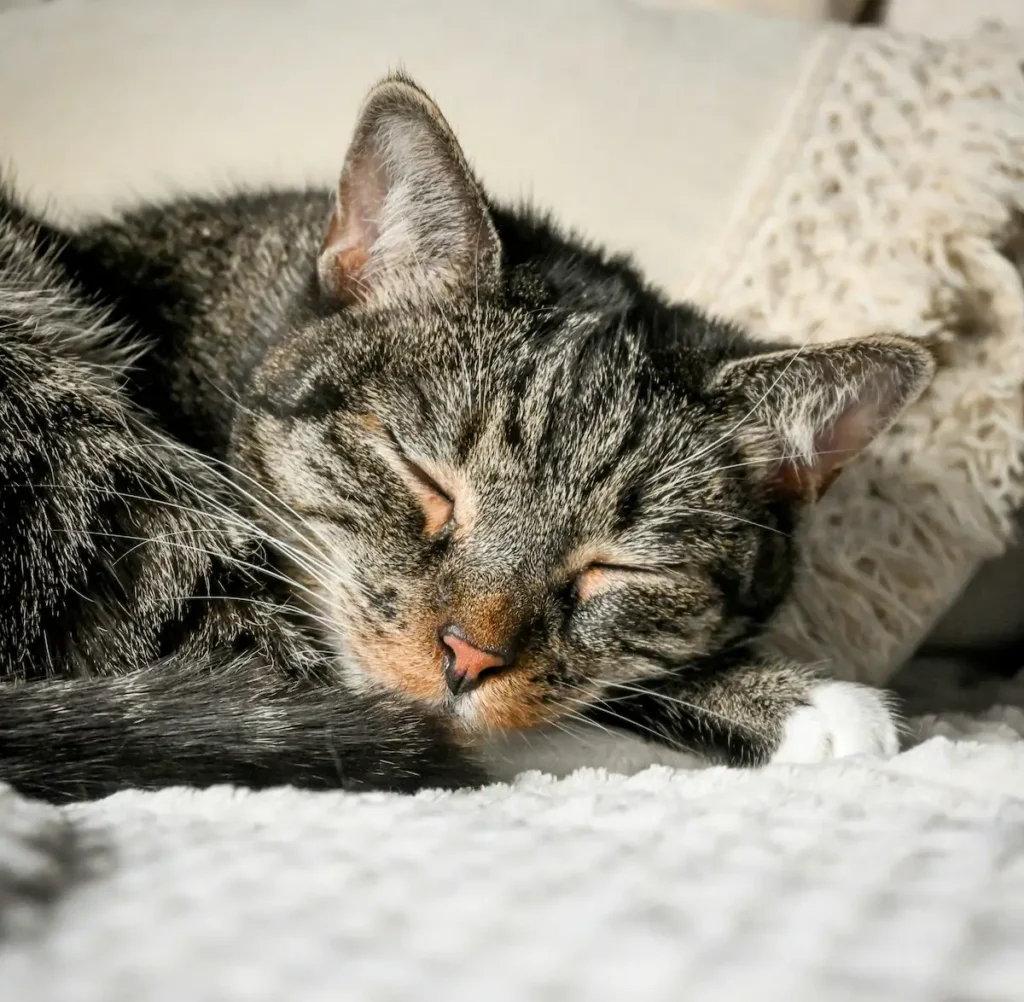
Quick answer: do mixed-breed cats live longer?
Mixed-breed cats may live longer on average than pedigree cats in some studies. A UK VetCompass study found that crossbred cats had a higher median longevity than purebred cats, although lifespan varied widely between individual cats.
This does not mean every mixed-breed cat will outlive every pedigree cat. Some pedigree cats live long, healthy lives, and some mixed-breed cats develop health problems earlier than expected.
A better way to think about it is this:
| Question | Balanced answer |
|---|---|
| Do mixed-breed cats live longer? | They may live longer on average in some studies. |
| Is it guaranteed? | No. Individual cats vary a lot. |
| Are pedigree cats always less healthy? | No. Many pedigree cats live well into older age. |
| What matters most? | Genetics, lifestyle, weight, safety, vet care, and early attention to changes. |
What does “mixed-breed cat” mean?
A mixed-breed cat is a cat that does not come from one controlled pedigree breed line. In the UK, many people call mixed-breed cats moggies.
Mixed-breed cats can vary widely in:
- coat colour and pattern
- body shape and size
- temperament
- ancestry
- health history
- ageing pattern
Being mixed-breed does not mean a cat is automatically healthier. It simply means the cat’s background is usually less controlled than a pedigree cat’s background.
A pedigree cat, by contrast, comes from a recognised breed line where certain traits are selected for. This can make appearance and temperament more predictable, but it may also mean some inherited traits are more common within certain breed lines.
Why might mixed-breed cats have a lifespan advantage?
One reason mixed-breed cats may live longer is genetic variety. When cats have a wider genetic background, there may be less chance of certain inherited problems becoming concentrated within one family or breed line.
International Cat Care explains that inherited disorders can occur in cats and that some are seen more often in pedigree breeds, where selective breeding can make certain inherited traits more likely to appear.
That said, this should be understood carefully. It does not mean:
- all mixed-breed cats are healthy
- all pedigree cats are unhealthy
- breed alone decides lifespan
- owners can predict exactly how long a cat will live
A mixed-breed background may be one helpful factor, but it is only one factor.
Mixed-breed cats vs pedigree cats: simple comparison
| Factor | Mixed-breed cats | Pedigree cats |
| Genetic background | Often broader and less controlled | Usually more controlled within breed lines |
| Appearance | Less predictable | More predictable |
| Average lifespan | May be longer in some studies | Varies widely by breed and individual cat |
| Health risks | Still possible | Some breeds may have known inherited risks |
| Owner focus | Safe routines, observation, and regular checks | Safe routines, observation, and regular checks |
The most important point is that both mixed-breed and pedigree cats need the same careful attention as they age.
Are pedigree cats always less healthy?
No. Pedigree cats are not automatically unhealthy, and many live long, comfortable lives.
Breed background can sometimes indicate particular inherited risks, but it cannot predict an individual cat’s health or lifespan. Mixed-breed cats can also develop health problems, so neither background should be treated as a guarantee.
Breed is only one part of the picture
Breed background can provide useful context, but it cannot predict how long an individual cat will live.
Lifestyle, body condition, home safety, veterinary care, early-life history and chance can all influence lifespan too. For a fuller explanation of these wider influences, see our Cat Life Expectancy Factors guide.
The practical takeaway is simple: a mixed-breed cat is not guaranteed a longer life, and a pedigree cat is not destined to have a shorter one.
Final thoughts
So, do mixed-breed cats live longer? They may live longer on average in some studies, and a wider genetic background may be one reason. But lifespan is never guaranteed by breed alone.
A mixed-breed cat still needs good daily care, a safe routine, regular vet checks, and gentle observation as they age. A pedigree cat can also live a long and comfortable life with the right support.
The best approach is simple: know what is normal for your cat, make senior life easier where you can, and speak to your vet when something changes.
For more context on lifespan, life stage and what can influence longevity, see our Senior Cat Lifespan guide.
FAQs
Do moggies live longer than pedigree cats?
Moggies may live longer on average in some studies, but this is not guaranteed for every cat. A moggy’s lifespan still depends on lifestyle, safety, weight, veterinary care, and individual health history.
Are mixed-breed cats healthier than purebred cats?
Not always. Mixed-breed cats may have broader genetic diversity, which can be helpful, but they can still develop health problems. Purebred cats can also live long, healthy lives.
How long do mixed-breed cats usually live?
Many cats live into their teens, and some live longer. Mixed-breed cats may have an average lifespan advantage in some studies, but exact lifespan varies widely between individual cats.
Can a pedigree cat still live into old age?
Yes. Many pedigree cats live into older age. Breed background is only one part of the picture. Good care, safe routines, healthy weight, and regular veterinary support all matter.
What helps any cat live longer?
No one can guarantee lifespan, but owners can support wellbeing with a safe environment, healthy weight, regular vet checks, low-stress routines, easy access to daily essentials, and early attention to changes.
External references
International Cat Care: Inherited disorders in cats
Royal Veterinary College / VetCompass: Longevity and mortality of cats attending primary care veterinary practices in England