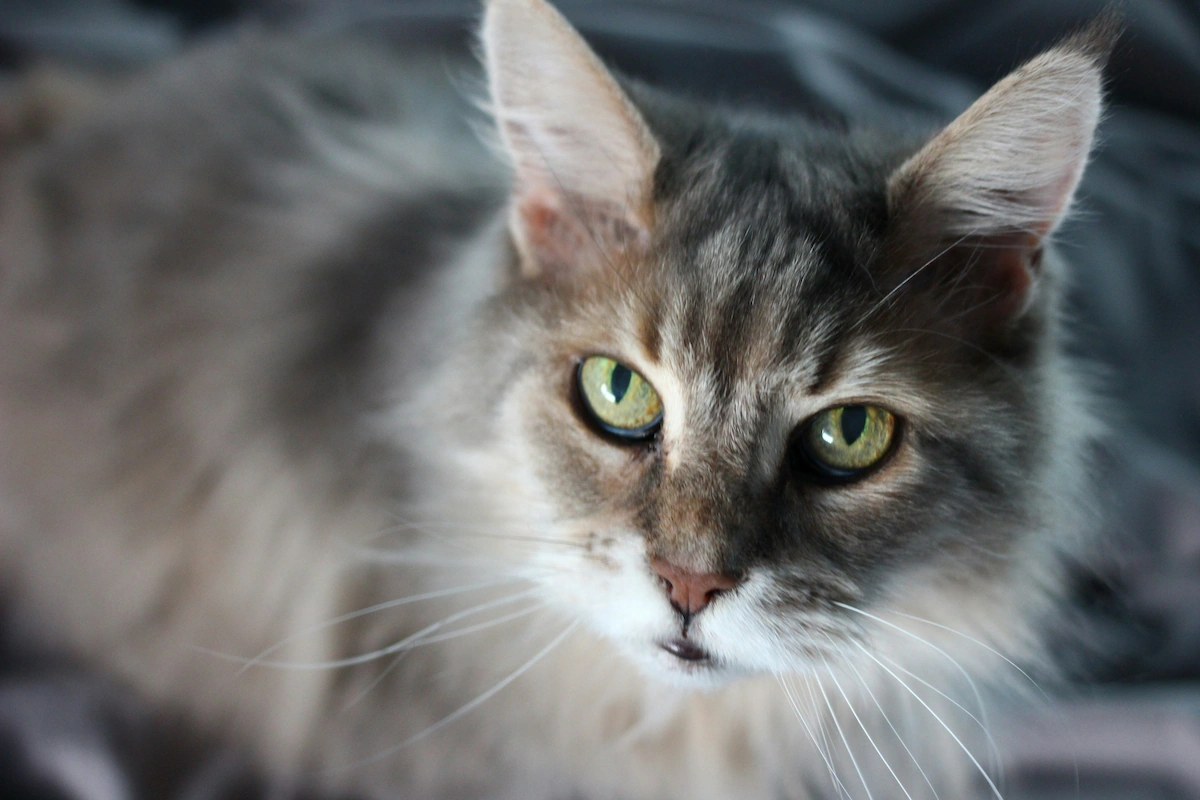
Senior cat eye discharge can look minor at first. Sometimes it is just a little moisture or a small bit of dried material in the corner of the eye. But when discharge is new, keeps coming back, looks sticky or coloured, affects one eye, or comes with other changes, it is worth paying closer attention. In older cats especially, eye changes should not simply be brushed off as ageing. A small amount of crusting can be normal, but constant weeping or sticky discharge is not.
Disclaimer: This article is for educational purposes only and is not a substitute for professional veterinary advice. If your cat seems in pain, the eye looks sore or cloudy, or your cat is acting differently, speak to your vet.
Key takeaway: Senior cat eye discharge is sometimes mild, but it is worth booking a check when it is new, keeps coming back, looks thick or sticky, affects one eye, or comes with redness, squinting, cloudiness, sneezing, or a change in how your cat seems overall.
Quick answer: senior cat eye discharge
Senior cat eye discharge may look like clear tears, dampness under the eye, crusting in the corner, or thicker sticky discharge. A tiny amount of dried material can sometimes be normal, but new, repeated, coloured, sticky, one-sided, or uncomfortable-looking discharge is worth paying attention to.
If the eye looks red, sore, cloudy, swollen, partly closed, or your cat is squinting, rubbing at it, sneezing, eating less, hiding, or seeming unlike themselves, speak to your vet.
What eye discharge can look like in older cats
Eye discharge is not just one thing. It can look quite different from cat to cat.
Clear tears or slight dampness
Some cats have a little moisture around the eyes from time to time. You may notice:
- slight dampness under the eye
- a small amount of clear tearing
- a tiny bit of dried material in the corner
That can be less concerning than thicker discharge, especially if your cat seems comfortable and the eye looks otherwise normal. A very small amount of crusting in the corner of the eye can sometimes be normal.
Sticky, thick, yellow, green, or crusty discharge
This is usually the pattern owners worry about most. Thicker or stickier discharge is less reassuring than mild clear tears. It may suggest irritation, inflammation, infection, or another problem affecting the eye or surrounding area.
One eye or both eyes
It helps to notice whether:
- one eye is affected
- both eyes are affected
- one side is clearly worse than the other
One-sided discharge is especially worth checking because it can point to a local eye problem rather than a broader irritation pattern.
Common causes of senior cat eye discharge
Eye discharge is a sign, not a diagnosis. A few of the more common possibilities include the following.
Mild irritation
Sometimes the eye is simply irritated. Dust, debris, or something that has briefly bothered the surface of the eye can lead to watering or mild discharge. This can look small and short-lived, but if it keeps happening or the eye does not look comfortable, it is sensible to get it checked.
Conjunctivitis and other surface inflammation
Cornell describes conjunctivitis as inflammation of the thin membrane lining the eyelids and covering part of the eyeball. Common signs include discharge, redness, swelling, and squinting.
This is one of the more common reasons owners notice a weepy or “gunky” eye. In older cats, it still deserves proper assessment rather than being put down to age alone.
Upper respiratory infections, including cat flu patterns
Eye discharge does not always appear on its own. It may appear alongside sneezing, nasal discharge, tiredness or reduced appetite.
The useful question is not just what the eye looks like, but what else has changed at the same time.
For related respiratory patterns, you may also find Senior cat runny nose: what can cause it and when to speak to your vet helpful.
Tear-drainage, eyelid, or eyelash problems
Sometimes the issue is more mechanical. The way tears drain, the shape of the eyelids, or hairs rubbing where they should not can all affect the eye. Owners do not need to work out which of these applies. The important point is that repeated watering or recurring discharge can have a structural reason behind it and is worth assessment.
What else to look for alongside the discharge
Discharge on its own tells only part of the story. What matters just as much is the pattern around it.
Redness, swelling, squinting, or blinking more than usual
These are useful clues that the eye may be irritated or uncomfortable. Cornell and Cats Protection both describe redness and squinting as signs that can appear with conjunctivitis or other eye problems.
Pawing at the eye or seeming bothered by light
A cat that keeps rubbing at the face, flinches when the area is touched, or seems reluctant in bright light may be showing discomfort.
Cloudiness or a visible third eyelid
These are especially useful details to notice. Cats Protection highlights cloudiness and a visible third eyelid as signs that can appear with eye problems and should not be ignored.
For broader eye-change context, you may also find Senior cat cloudy eyes helpful.
Sneezing, nasal discharge, or seeming under the weather
When eye discharge appears with sneezing, nasal discharge, lethargy, or reduced appetite, it may be part of a wider upper respiratory picture rather than a standalone eye issue.
Eating less, hiding more, or behaving unlike themselves
This matters more than many owners realise. A cat who seems flat, off food, less social, or generally “not right” should be looked at more cautiously, even if the eye discharge itself seems fairly mild.
For broader context on age-related health changes, see Senior Cat Health: A Practical Guide for Older Cats.
When to book a check
A useful rule is this: do not focus only on the discharge itself. Focus on whether it is new, ongoing, worsening, one-sided, or part of a bigger change.
Book a check if
- the discharge is new and keeps returning
- it looks thick, sticky, yellow, or green
- one eye is clearly worse than the other
- the eye looks red, sore, swollen, or partly closed
- your cat is rubbing at it
- the discharge appears with sneezing or nasal discharge
- your cat seems less comfortable, less bright, or is eating less
This matches the main thresholds described in the live guidance: persistent weeping, sticky discharge, redness, swelling, squinting, cloudiness, and wider illness signs all make a check more sensible.
Speak to your vet sooner if
- the eye looks painful
- your cat will not open it properly
- the surface looks cloudy
- there may have been an injury
- your cat seems suddenly unwell overall
The eye is delicate, and painful or cloudy changes deserve faster attention.
Is a small amount of eye crust normal in an older cat?
Sometimes, yes. A tiny amount of dried material in the corner of the eye can happen and is not always a sign of illness.
What is less reassuring is when the pattern changes. It is worth paying more attention when:
- the eye is wetter than usual
- the discharge is thicker or stickier
- the change is new
- it keeps coming back
- the eye looks uncomfortable
- your cat seems unwell in other ways
That change from your cat’s usual pattern is often the most useful point to focus on.
What not to do at home
A few mistakes are worth avoiding.
- Do not use human eye drops unless your vet has specifically advised it.
- Do not assume the colour alone tells you exactly what the problem is.
- Do not keep wiping repeatedly if the eye seems painful or your cat strongly resents it.
- Do not leave it too long when the discharge is one-sided, sticky, recurring, or paired with redness, squinting, cloudiness, or behaviour change.
Home observation is helpful. Home diagnosis is not.
Quick check: what to note before you book
If you do decide to book a check, it can help to note:
- one eye or both
- clear or sticky discharge
- any redness or swelling
- any squinting or rubbing
- any cloudiness or visible third eyelid
- any sneezing or nasal discharge
- whether your cat seems otherwise well
- whether this is new, recurring, or getting worse
That makes it easier to describe the pattern clearly.
FAQs
Is eye discharge normal in a senior cat?
A very small amount of dried material in the corner of the eye can be normal. Ongoing weeping, wetter tear marks, sticky discharge, or a new change is less reassuring and worth noticing.
What does yellow or green eye discharge mean in cats?
Yellow or green discharge is generally less reassuring than clear tearing. It is a sensible reason to book a check, especially if the eye also looks red, sore, swollen, or partly closed.
Should I worry if only one of my cat’s eyes is watering?
One-sided discharge is usually worth more attention than mild watering in both eyes because it can point to a more local eye problem. If it does not settle, keeps returning, or looks uncomfortable, book a check.
Can cat flu cause eye discharge in older cats?
Eye discharge can appear alongside sneezing, nasal discharge, tiredness and reduced appetite as part of a wider respiratory pattern. If several of these changes appear together, speak to your vet.
When should I book a check for cat eye discharge?
Book a check when the discharge is new, keeps coming back, looks thick or sticky, affects one eye, or comes with redness, squinting, cloudiness, sneezing, or a general change in how your cat seems.
Wrap-up
Senior cat eye discharge is not something to panic about every time, but it is not something to dismiss either. A tiny bit of corner crust can be normal. What matters more is whether the pattern is new, persistent, uncomfortable-looking, or part of a wider change.
It helps to think of eye discharge as something to notice and describe clearly, rather than something to try to interpret on your own.