How old can indoor cats live? Many cat owners ask this — especially as their cat gets older and indoor vs outdoor safety starts to feel more relevant. You might be noticing small changes, comparing your cat’s age to others, or simply looking for reassurance about what’s considered normal.
The short answer is that indoor cats often live longer than outdoor cats on average, but lifespan varies widely between individual cats. Genetics, early life experiences, environment, and overall health all play a role. Rather than focusing on exact numbers, it’s more helpful to understand typical ranges, why indoor cats often live longer, and what influences longevity over time.
Disclaimer: This article is for educational purposes only and is not a substitute for professional veterinary advice. If your cat is in pain, losing weight, vomiting frequently, or behaving unusually, speak to your vet.
Key takeaway: Indoor cats often live longer on average, but lifespan varies widely. For senior cats, indoor living or more limited outdoor access can reduce some everyday risks, while comfort, routine, and individual health still matter most.
How old can indoor cats live on average?
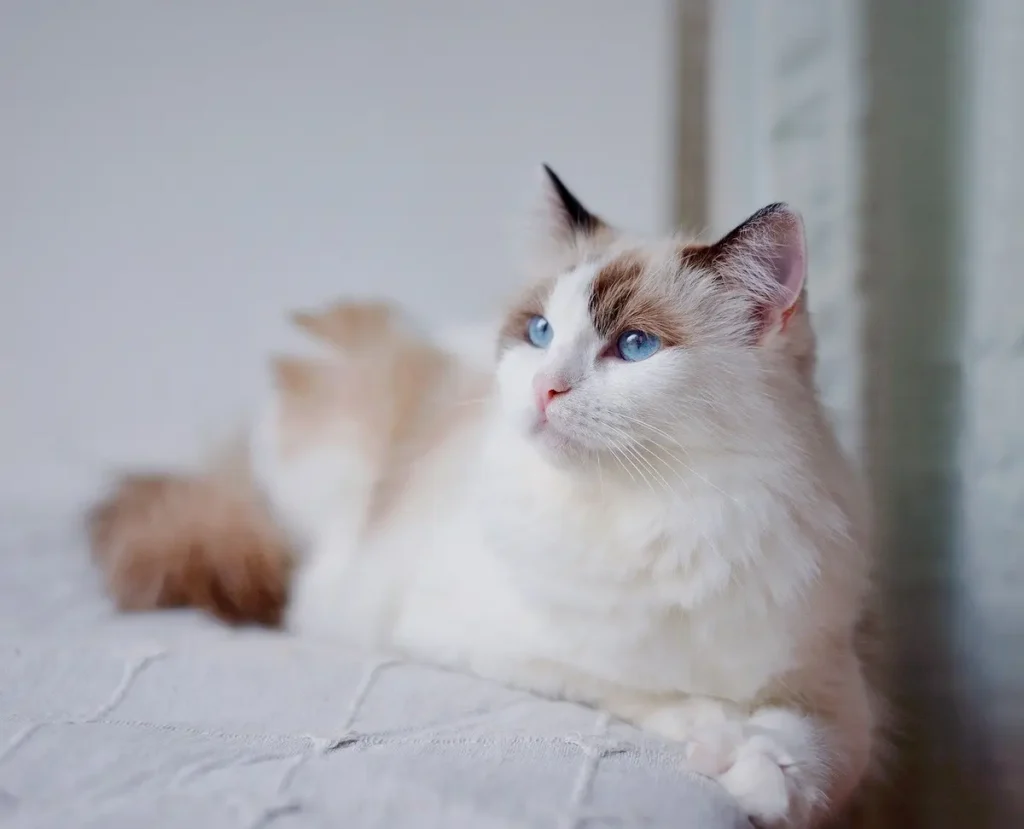
Many indoor cats reach the mid-to-late teens, and some live into their early twenties. Others have shorter lifespans for reasons that aren’t always within an owner’s control.
It’s best to treat these figures as broad ranges rather than promises. An indoor lifestyle can reduce exposure to risks that shorten lifespan, but it doesn’t guarantee a long life. Even two indoor cats can age very differently depending on genetics, early care, and overall health.
Rather than focusing on a single number, it’s often more helpful to look at what influences lifespan — and why indoor living can support longevity.
Why indoor cats often live longer than outdoor cats
Indoor environments are typically more controlled and predictable. This can significantly reduce exposure to hazards that outdoor cats commonly face.
Feline welfare organisations such as International Cat Care note that indoor cats often live longer on average because they are exposed to fewer environmental risks.
Indoor cats are generally less exposed to:
- Traffic and accidental injuries
- Fights with other animals
- Certain parasites and infectious diseases
- Extreme weather conditions
They also tend to have consistent access to food, water, and shelter, which supports overall wellbeing. Reduced exposure to sudden trauma is one of the main reasons indoor cat life expectancy is often higher on average.
However, it’s important not to see this as a guarantee. Indoor life reduces risk, but it doesn’t eliminate health challenges or the natural effects of ageing.
Indoor cat lifespan vs outdoor cat lifespan
When people compare indoor vs outdoor cat lifespan, indoor cats are often said to live “much longer.” While this is broadly true on average, the difference is sometimes overstated.
Lifespan is influenced by many overlapping factors, including:
- Genetics
- Early nutrition and development
- Neutering status
- Stress levels
- Access to routine veterinary care
Lifestyle is just one piece of a larger picture. An outdoor cat with attentive care may live a long life, while an indoor cat may still experience health challenges unrelated to environment. Longevity is shaped by many small influences over time, not one single choice.
What changes for senior cats?
The indoor vs outdoor question can feel a little different once a cat reaches their senior years.
Some older cats continue to enjoy going outside, especially if they have followed the same routine for years. Others naturally become more home-focused and seem more comfortable spending most of their time indoors. Neither pattern is automatically right or wrong. What matters most is how well the setup still suits the individual cat.
As cats get older, the balance between freedom and safety can shift. Senior cats may be less agile than they were before, slower to react, or more settled in their habits. A routine that felt easy in middle age may start to ask more of them later on.
For some cats, staying indoors more often can reduce everyday risks while making life feel calmer and more predictable. For others, a familiar garden or short period of outdoor time may still be an important part of their routine and wellbeing.
This does not mean every senior cat should suddenly become fully indoor-only. It means it is worth looking again at what outdoor access currently involves:
- How far your cat tends to roam
- How predictable their routine is
- How confident and mobile they seem now
- How safe your local environment feels compared with a few years ago
In many cases, the safest approach is not an all-or-nothing change. It may simply mean keeping outdoor time shorter, more familiar, and easier to supervise where possible.
If your older cat seems less steady, more hesitant, or less comfortable outdoors than they used to, it is sensible to mention that at their next check-up. A gradual change in outdoor habits can be part of normal ageing, but it is still worth discussing if something feels different.
What else influences an indoor cat’s lifespan?
Indoor living can reduce some everyday risks, but it is only one part of the lifespan picture. Genetics, early development, overall health, weight, activity, environment and routine care can all influence how individual cats age.
That is why two cats living entirely indoors can still have very different lifespans. Indoor living can improve the odds by reducing certain hazards, but it cannot predict how long an individual cat will live.
How age fits into the picture
Understanding age stages can help put lifespan into context. Many cats are considered to enter their senior years somewhere between 7 and 11 years old, though this varies between individuals.
If you’re unsure how your cat’s age fits into these stages, our guide on What Age Is a Cat Considered Senior? explains how age categories are commonly defined and why they’re flexible rather than fixed.
Knowing where your cat roughly falls on the ageing spectrum can make normal changes feel less concerning.
Is it normal for indoor cats to live into their twenties?
Yes — it’s possible, and not especially rare among indoor cats. Many owners hear stories of cats living to 20 or beyond, which can be reassuring but also misleading if taken as an expectation.
It’s healthier to view these ages as the upper end of the lifespan range, not a benchmark. Most indoor cats live full, contented lives without reaching headline ages, and that is completely normal.
Longevity is only one measure of a good life.
The bigger picture: quality of life matters most
Focusing too closely on how long an indoor cat might live can sometimes overshadow what matters more — comfort, wellbeing, and quality of life.
Many cats live happy, secure lives well into old age without reaching extreme ages. Providing a calm environment, consistent routines, and attentive care often matters more than any specific number.
For a broader perspective on ageing and longevity, you may find Senior Cat Lifespan: How Long Older Cats Live helpful.
FAQs
Do indoor cats live longer than outdoor cats?
On average, indoor cats often live longer than cats with unrestricted outdoor access. That is usually because indoor cats are exposed to fewer everyday hazards such as traffic, injuries, fights, parasites, and harsh weather. Still, lifespan is never determined by one factor alone. Genetics, routine care, environment, and overall health all play a part.
Is it normal for an indoor cat to live into its twenties?
Yes, some indoor cats do live into their twenties. It can happen often enough that many owners hear stories about it. But it is better to see this as the upper end of the range rather than something every indoor cat should reach. A full, comfortable life does not need to mean an unusually high age.
What affects how long an indoor cat lives?
Several things can influence lifespan, including genetics, early life care, weight, activity, stress levels, routine veterinary care, and the overall home environment. Indoor living can reduce some risks, but it does not guarantee a specific lifespan. It is more helpful to think in terms of long-term wellbeing than one exact number.
Do senior indoor cats usually slow down?
Yes, many do. Older indoor cats often sleep more, play in shorter bursts, and prefer familiar routines. These changes can be a normal part of ageing. What matters most is whether the changes are gradual and whether your cat still seems comfortable in daily life. If something changes suddenly or seems to keep progressing, it is worth mentioning to your vet.
Should senior cats stay indoors?
Many senior cats do well spending more time indoors, especially if they seem less agile, less confident, or more settled than they used to be. Some older cats still enjoy familiar outdoor time, while others are happier staying close to home. The aim is to balance safety, comfort, and routine in a way that suits the individual cat.
References
American Association of Feline Practitioners (AAFP) — Senior Care Guidelines (cats)
International Cat Care (ISFM) — Caring for Older Cats
Cornell University College of Veterinary Medicine — Senior Cats