Senior cat health often changes gradually, not overnight. Many cats appear “fine” on the surface well into their later years, but ageing can quietly affect organs, mobility, dental health, and overall comfort.
This senior cat health guide explains the most common health changes in older cats, how to spot early warning signs, and when it’s time to speak to your vet. The goal is not to alarm you — but to help you notice small changes early, such as sleeping more, when support is often most effective.
Disclaimer: This article is for educational purposes only and is not a substitute for professional veterinary advice. If your cat is in pain, losing weight, vomiting frequently, or acting differently, speak to your vet.
Key takeaway: Senior cat health changes are often gradual, so small shifts are worth noticing early. If you spot changes in appetite, weight, mobility, grooming, or behaviour — especially if they’re new or persistent — it’s worth mentioning them to your vet.
Senior cat health topics covered on this site
Senior cat health can involve many small changes, from appetite and drinking habits to movement, toileting, sleep, breathing, dental health and behaviour. This section helps you find the most relevant guide for what you have noticed, without assuming one cause.
Eating, drinking and weight changes
If your cat’s appetite has changed, start with Senior cat appetite changes. If your cat has stopped eating or seems reluctant to eat, Senior cat not eating explains what owners can check first and when to speak to your vet.
If drinking habits have changed, Senior cat drinking more and Senior Cat Not Drinking cover different patterns owners may notice.
If your main concern is body condition, Senior Cat Weight Loss, Senior cat weight gain and Senior Cat Weight Tracking can help you understand what to monitor over time.
Mobility, pain and movement changes
For a broad overview, start with Senior Cat Mobility & Pain: A Calm Guide for Owners. If your cat seems stiff, slower or less willing to jump, Arthritis in Senior Cats may also help.
For more general observation guidance, Senior Cat Pain Signs explains subtle behaviours owners may notice. If the change is more specific, Senior cat limping, Senior Cat Suddenly Not Jumping and Senior cat sudden weakness may be more relevant.
Toileting and urinary changes
If your cat is missing the litter tray or toileting differently, start with Senior Cat Missing the Litter Tray or Senior cat toileting changes.
If you have noticed changes in urine, Senior Cat Urine Changes gives a broader overview. Senior Cat Straining to Pee and Senior Cat Peeing Blood cover more specific signs that should be taken seriously and discussed with a vet.
For litter tray straining linked to stools, Senior Cat Constipation and Litter Box Strain may be more helpful.
Breathing, sleep and respiratory changes
If your cat’s breathing or respiratory habits have changed, Senior cat coughing, Senior cat sneezing and Senior cat runny nose cover common signs owners may notice.
For changes during rest or sleep, see Senior Cat Breathing Changes During Sleep, Fast Breathing in a Senior Cat or Do Cats Snore?
Dental, mouth and gum changes
For a broad overview, start with Senior Cat Dental Health: Teeth, Gums and Mouth Changes. Senior cat teeth and gums explains simple things owners may notice, while Senior cat dental disease looks more closely at possible signs.
If your main concern is smell, saliva or eating discomfort, Senior cat bad breath, Senior cat drooling and Senior Cat Tooth Resorption may be useful. Senior Cat Teeth Cleaning explains what vets may do and what owners can safely do at home.
Behaviour and cognitive changes
If your cat’s behaviour has changed, Senior Cat Behaviour Changes is a good starting point.
For confusion, night-time changes or possible cognitive decline, Can Cats Have Dementia?, Cat Dementia at Night and Older cat yowling at night may be helpful.
If the change is more sudden or stressful, Senior cat sudden aggression, Older cat hiding and Senior cat stress cover more specific situations.
Skin, coat and grooming changes
Coat and grooming changes are common things owners notice as cats age. Senior cat grooming and Senior cat grooming problems explain why grooming routines may change.
If your cat’s coat looks greasy, flaky or different, Senior Cat Oily Coat and Senior Cat Dandruff may be helpful. For new lumps or bumps, see Senior cat lumps and bumps. If toileting is affecting coat cleanliness, Senior Cat Toileting Hygiene may be more relevant.
Vet checks, tests and prevention
For routine care and vet conversations, Senior cat check-ups explains why regular reviews matter as cats get older.
If your vet has mentioned blood work, Senior Cat Blood Test Results and Senior Cat Thyroid Blood Tests explain common terms in plain English.
For prevention topics, Senior Cat Vaccines and Senior Cat Vaccination Side Effects may be useful.
When is a cat considered senior?
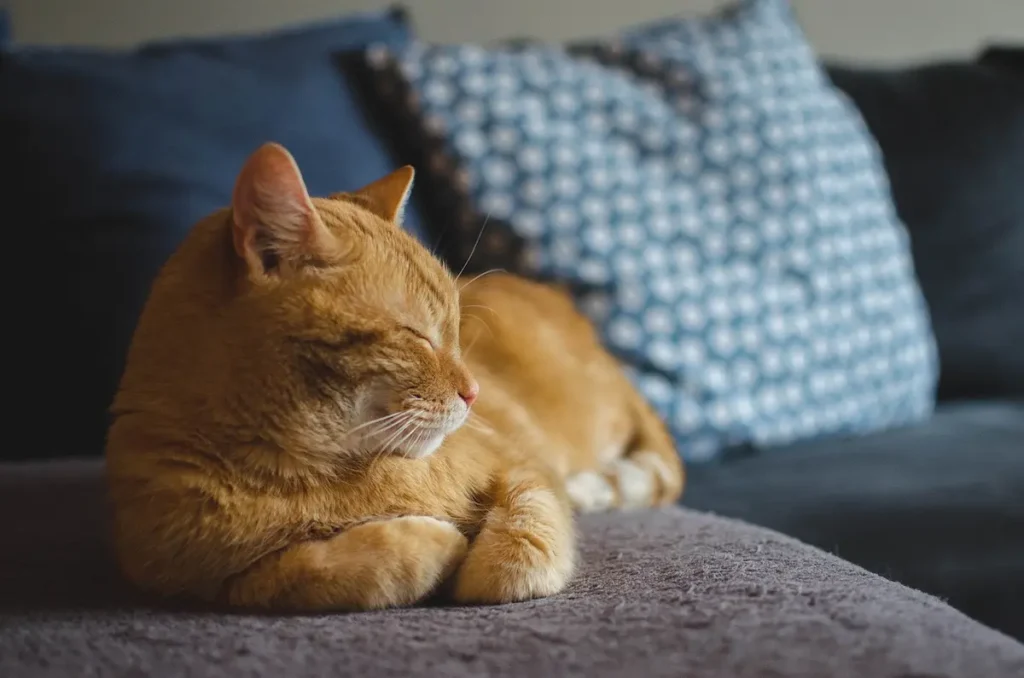
Many cats begin to show age-related changes from around 7 to 10 years old, while cats aged 11 and older are often described as senior, and cats aged 15 and older may be described as geriatric or super-senior.
Ageing does not follow a strict timeline. Two cats of the same age may have very different health needs depending on lifestyle, genetics, weight, and medical history. If you’d like a deeper explanation of how vets define this stage, see our guide:
What age is a cat considered senior?
How senior cat health changes with age
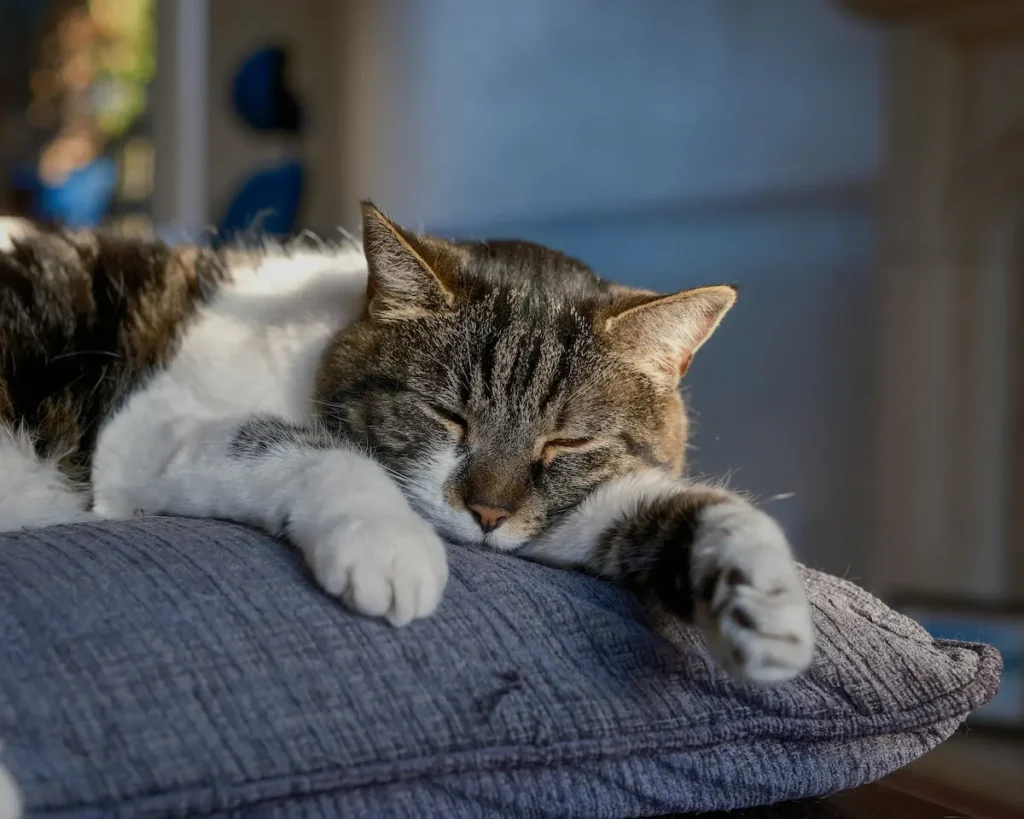
Senior cat health changes tend to be subtle at first. Cats are extremely good at hiding discomfort, so signs of illness may show up as behaviour changes rather than obvious pain.
Common age-related shifts include:
-
- slower movement or hesitation before jumping
-
- sleeping more or becoming less playful
-
- new sleep noises, such as snoring
-
- changes in appetite or water intake
-
- gradual weight loss or gain
-
- changes in grooming habits
-
- increased vocalisation, especially at night
If you’ve noticed sleep noises as well, see Do cats snore? (what can be normal and what changes are worth mentioning).
None of these automatically mean something is “wrong,” but they are signals worth paying attention to.
International Cat Care also provides guidance on supporting older cats through gradual health and behaviour changes.
Common health problems in senior cats
This section is an overview of common age-related health issues, not a guide to diagnosis or treatment.
Arthritis and mobility issues
Arthritis in senior cats is one of the most common health issues in older cats, yet it is often missed. Cats rarely limp or cry out. Instead, you may notice:
-
- reluctance to jump
-
- stiffness after naps
-
- choosing lower resting spots
-
- avoiding stairs or high perches
Mobility changes are a major quality-of-life issue in older cats and should be discussed with your vet, even if they seem mild.
Kidney disease
Chronic kidney disease is common in ageing cats. Early signs may include:
-
- increased thirst
-
- larger urine clumps
-
- weight loss despite eating
-
- reduced appetite
These changes often develop slowly, which is why routine senior monitoring is so important.
Dental disease
Dental problems are common in older cats and can affect comfort, eating habits and daily wellbeing.
Watch for:
-
- bad breath
-
- drooling
-
- dropping food
-
- chewing on one side
-
- reduced interest in eating
Dental discomfort is often mistaken for “picky eating” in senior cats.
Thyroid disease and metabolic changes
Hyperthyroidism is another condition that becomes more common with age. Symptoms may include:
-
- weight loss with increased appetite
-
- restlessness or vocalisation
-
- changes in coat quality
Because signs can overlap with normal ageing, blood tests are often needed to understand what may be happening.
Signs of illness in senior cats you should not ignore
Speak to your vet if you notice:
-
- sudden weight loss or gain
-
- vomiting more than occasionally
-
- persistent diarrhoea or constipation
-
- changes in litter tray habits
-
- hiding more than usual
-
- noticeable personality changes
These signs do not automatically mean a serious diagnosis, but they do warrant professional guidance.
How often should senior cats see the vet?
Many veterinary guidelines recommend more frequent check-ups for senior cats, even if they appear healthy.
The reason is simple: earlier detection usually means more options and better comfort.
Typical recommendations may include:
-
- annual visits for mature cats (7–10)
-
- twice-yearly wellness checks for senior cats (11+)
Your vet will tailor this based on your cat’s individual needs.
Supporting senior cat wellness at home
While veterinary care is essential, daily routines play a huge role in senior cat health.
Helpful habits include:
-
- keeping routines predictable
-
- making food, water, and litter trays easy to access
-
- monitoring weight regularly
-
- noting small behaviour changes
-
- reducing environmental stress
Simple adjustments often make a big difference over time.
For daily care routines, see our Senior Cat Care Guide.
To understand ageing in context, explore Senior Cat Lifespan & Ageing.
Indoor vs outdoor senior cat health
Lifestyle affects health risks at every age. Indoor cats generally face fewer dangers such as traffic injuries, fights, and infectious diseases.
However, indoor senior cats still need:
-
- weight management
-
- mental stimulation
-
- regular health monitoring
You can learn more about lifespan differences in How long can an indoor cat live?
When comfort becomes the priority
As cats reach advanced age, the focus of senior cat health shifts from prevention alone to comfort, stability, and quality of life.
This may involve:
-
- simplifying the home environment
-
- supporting mobility
-
- maintaining familiar routines
-
- working closely with your vet on ongoing care
Ageing is not a failure — it’s a stage that deserves thoughtful support.
Quick recap
-
- Senior cat health changes are often gradual, so small shifts are worth noticing early.
-
- Changes in appetite, weight, mobility, grooming, or behaviour can be worth mentioning to your vet.
-
- Routine vet checks help catch issues earlier and support comfort over time.
-
- Simple home adjustments can make everyday life easier for older cats.
-
- For longevity context, see Senior Cat Lifespan: How Long Older Cats Live.
FAQs
What is the most common health issue in senior cats?
At what age do cats start having health problems?
Should senior cats go to the vet more often?
Are behaviour changes normal in senior cats?
External references
International Cat Care: Special considerations for senior cats
Cornell Feline Health Center: The Special Needs of the Senior Cat