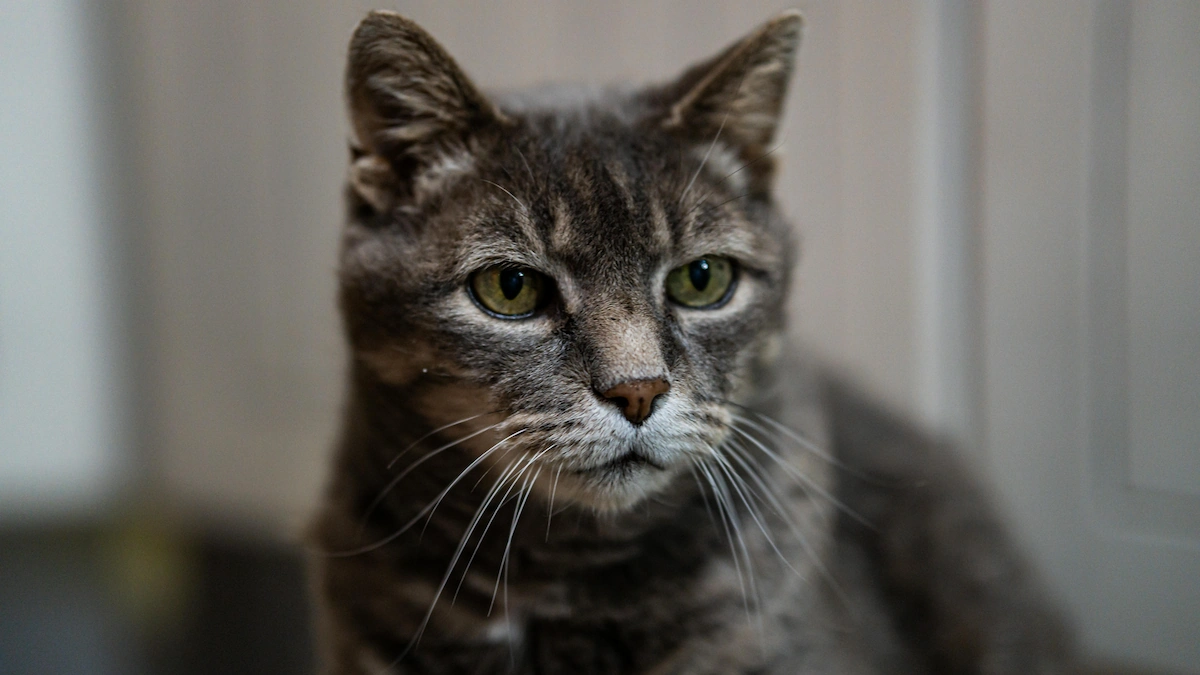
Senior cat teeth and gums can be easy to overlook until something changes. A brief visual check during a calm moment can help you understand what looks broadly healthy for your cat and notice obvious changes without attempting a full mouth examination.
Disclaimer: This article is for educational purposes only and is not a substitute for professional veterinary advice. Speak to your vet if your cat is eating less, drooling, losing weight, showing mouth discomfort or behaving differently. Seek prompt advice if there is mouth bleeding, swelling or marked pain.
Key takeaway: Healthy senior cat gums usually look calm and pink or naturally pigmented, rather than red, swollen or bleeding. Teeth should look broadly smooth and intact, without obvious looseness, cracks or heavy tartar. Keep any home check brief and stop if your cat resists.
Quick answer: senior cat teeth and gums
Healthy senior cat gums usually look calm rather than red, swollen, bleeding or sore. Natural dark pigmentation can be normal if it is typical for your cat.
Teeth should look broadly smooth and intact, without obvious cracks, looseness or heavy brown tartar. Your cat should also appear comfortable while eating. Do not force the mouth open if they resist.
What healthy senior cat gums usually look like
Healthy gums are usually a pink shade rather than bright red or angry-looking. They should not look puffy, raw, bleeding or ulcerated. Some cats naturally have darker patches of gum pigment, so a black or grey patch is not always a problem by itself.
The aim is not to compare your cat with a perfect textbook image. Look for gums that appear calm and consistent with what is normal for your cat.
A healthy baseline is usually:
- pink rather than red
- smooth rather than swollen
- intact rather than bleeding or ulcerated
- consistent with your cat’s usual mouth
Natural variation exists. A clear change from your cat’s usual gum colour or appearance is more useful than examining every small detail.
What healthy senior cat teeth usually look like
Healthy teeth usually look broadly smooth and intact. They do not need to look flawless, but obvious cracks, looseness, missing teeth or heavy brown tartar near the gumline are outside a healthy baseline.
What matters more is whether you can see:
- obvious cracking
- looseness
- heavy brown build-up near the gumline
- teeth that seem suddenly missing
- clear signs that the mouth looks sore
How to do a quick mouth check without causing stress
A home mouth check should be brief, gentle and limited to what you can see easily.
Choose a calm moment with good light. Gently lift the lip only if your cat accepts this comfortably.
A simple approach is:
- pick a calm moment, such as a quiet cuddle or rest time
- stand or sit where the light is good
- gently lift the lip for a quick look at the front and side teeth
- notice the gum colour and whether the teeth look intact
- stop straight away if your cat resists or seems uncomfortable
You do not need to force the mouth open. You do not need to inspect every tooth. A short visual check is enough for most owners.
Quick healthy mouth check
- Gums look pink rather than red or bleeding
- Teeth look smooth rather than cracked or loose
- No heavy brown tartar along the gumline
- No obvious sores or swelling
Changes worth mentioning to your vet
Speak to your vet if a brief visual check shows a clear change from what is normal for your cat.
Changes worth mentioning include:
- red, swollen or bleeding gums
- obvious sores or swelling
- a cracked or loose tooth
- a tooth that appears to have gone missing
- heavy brown tartar around the gumline
- any area that looks clearly sore or different from usual
You do not need to identify the cause yourself, and a normal-looking area at the front of the mouth does not rule out a problem elsewhere.
If the main changes are bad breath, drooling, pawing at the mouth, slower eating, dropping food or weight loss, see our Senior Cat Dental Disease Signs guide.
A simple monthly habit that can help
If your cat accepts brief mouth checks comfortably, an occasional look — around once a month — can help you stay familiar with what is normal for them.
There is no need to force a fixed routine. If your cat resists, simply rely on the changes you can notice naturally during eating, grooming or everyday interaction.
For broader context on changes owners may notice as cats get older, see our Senior Cat Health guide.
For a wider guide to senior cat teeth, gums, bad breath, drooling and other mouth changes, see our Senior Cat Dental Health guide.
Final thoughts
Healthy senior cat teeth and gums should look broadly calm, intact and comfortable. Natural variation exists, so focus on clear changes from what is normal for your cat.
A brief visual check is enough. Do not force the mouth open or try to inspect every tooth. Speak to your vet if you notice redness, swelling, bleeding, loose or damaged teeth, obvious sores, or another clear change from your cat’s usual mouth.
FAQs
What colour should healthy senior cat gums be?
Healthy gums are usually pink or naturally pigmented rather than red, swollen, bleeding or sore-looking. Darker patches can be normal if they are consistent with your cat’s usual gum colour.
Should older cat teeth still look white?
They do not need to look perfect or completely white. They should appear broadly smooth and intact, without obvious cracks, looseness, missing teeth or heavy brown tartar.
How often should I check my senior cat’s teeth and gums?
A brief monthly look may suit a cat who accepts it comfortably. The important points are to keep the check gentle, use good light and stop if your cat resists.
What if my cat will not let me look?
Do not force the mouth open. Stop if your cat pulls away, seems uncomfortable or becomes distressed. Mention any eating, breath, drooling or mouth-related concerns to your vet instead.